
Unlocking the Power of Maize Milling: A Grain’s Journey
In the heart of countless cultures around the world lies a humble yet extraordinary grain: maize. From bustling marketplaces in vibrant towns to the quiet kitchens of rural families, maize has woven itself into the very fabric of daily life, serving as nourishment, tradition, and a cornerstone of culinary creativity. Yet, behind its vibrant yellow hue and versatile applications lies a fascinating process that transforms this simple crop into a myriad of essential products—all beginning with the age-old practice of milling.
In this article, we will embark on a journey through the intricate world of maize milling, exploring the techniques and innovations that unlock the grain’s vast potential. From traditional stone-ground methods that honor age-old practices to modern, industrial approaches designed for efficiency and quality, we will uncover how milling not only influences the nutritional value of maize but also shapes economic landscapes and food security around the globe. Join us as we delve into the transformative journey of maize, revealing the art and science behind a staple ingredient that feeds millions and connects us to our roots.
Exploring the Ancient Roots of Maize Milling
Long before modern machinery took center stage in kitchens and food production, the practice of milling maize traces its roots deep into the history of human civilization. Archaeological evidence points to the use of simple grinding stones and mortars in Mesoamerica, where indigenous cultures developed their own techniques for processing maize. This ingenious utilization of available resources not only transformed raw maize into a versatile food source but also laid the groundwork for a cultural heritage that celebrates this staple grain. From the early days of hand-operated devices to the more sophisticated approaches introduced later, the evolution of maize milling reflects the resilience and adaptability of human ingenuity.
As knowledge spread through trade and exploration, various cultures adopted and adapted maize milling methods to suit their unique culinary traditions. Some pivotal innovations include:
- Manual grinding tools: Simple hand-operated stones that required skill and effort.
- Water-powered mills: Utilizing the energy of flowing water to enhance efficiency.
- Stone mills: The introduction of larger, more durable stones that could withstand greater pressure for finer milling.
These adaptive strategies contributed to the integration of maize into diets worldwide, demonstrating how ancient practices shaped foodways even in modern times. As we continue to explore the impact of maize milling, it is crucial to appreciate the cultural narratives embedded in these ancient practices, which continue to inspire current methods and innovations.

Transformative Techniques in Modern Maize Processing
In the realm of maize processing, the integration of advanced technologies has opened up a world of possibilities that transcend traditional methods. Today’s milling operations are characterized by innovative machinery and processes that enhance efficiency and product quality. Key advancements include automated systems that minimize human error, precision milling equipment that optimizes grain extraction, and advanced cleaning and grading technologies to ensure the purity of the end product. The journey of maize from cob to flour is enriched by these techniques, as they significantly increase output while reducing waste.
Furthermore, sustainability has become a cornerstone in modern processing practices. Techniques aimed at minimizing environmental impact are increasingly being adopted, reflecting a commitment to both quality and eco-friendliness. Notable methods include:
- Water-saving technologies: Systems that recycle water used in milling processes.
- Energy-efficient machines: Equipment designed to reduce energy consumption.
- Byproduct utilization: Innovative uses for maize husks and stalks, including biofuel production.
This multifaceted approach not only improves production values but also meets the growing consumer demands for sustainable food sources, marking a new era in maize processing.
| Technique | Benefit |
|---|---|
| Automated Processing | Reduces labor costs and increases consistency |
| Precision Milling | Maximizes grain yield and flour quality |
| Eco-friendly Practices | Minimizes waste and lowers carbon footprint |
Nutritional Benefits and Versatile Uses of Maize Flour
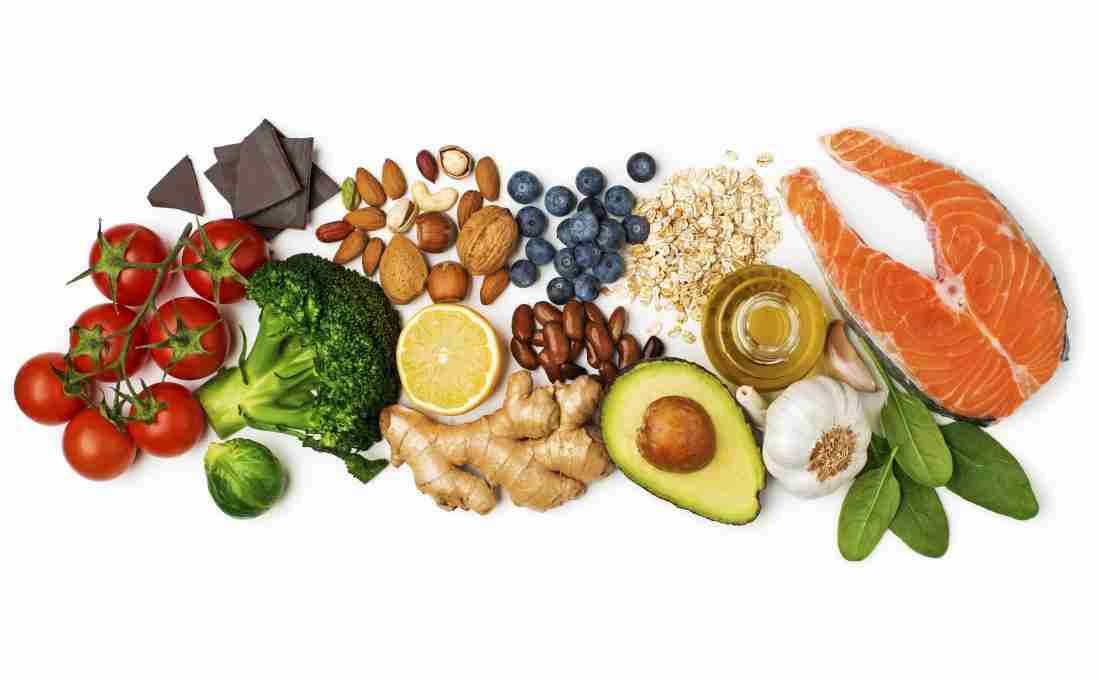
Maize flour, often regarded as a staple in various culinary traditions, is more than just a key ingredient in many dishes. It is a powerhouse of nutrition, providing a rich source of essential nutrients that can enhance overall health. This flour is naturally gluten-free, making it an excellent choice for individuals with gluten sensitivities or celiac disease. The high fiber content aids in digestion and helps maintain a healthy weight, while its carbohydrate profile offers a steady energy source throughout the day. Furthermore, maize flour is packed with essential vitamins and minerals like B vitamins, magnesium, and iron, supporting various bodily functions and boosting overall vitality.
Beyond its nutritional benefits, maize flour is remarkably versatile in the kitchen. This fine ingredient can be used to create a wide variety of dishes, ranging from traditional tortillas and cornbread to contemporary muffins and pancakes. Some versatile uses include:
- Thickening agent: Ideal for soups and stews, providing both texture and flavor.
- Coating for frying: Adds a crisp and delightful crunch to fried foods.
- Baking ingredient: A perfect substitute for wheat flour in gluten-free baking.
In addition to its flavors and culinary applications, maize flour has cultural significance in various regions, embodying traditions and heritage. Its ability to seamlessly blend into both savory and sweet dishes makes it a cherished ingredient across the globe.

Sustainable Practices for a Flourishing Milling Industry
The milling industry stands at a pivotal crossroads, where balancing productivity with sustainability is essential for its longevity. Innovative techniques that minimize resource consumption and reduce waste can transform how maize is processed. By integrating practices such as water recycling and energy-efficient machinery, mills can cut down on their environmental footprint while enhancing operational efficiency. Implementing renewable energy sources, such as solar or wind power, is not just an eco-friendly initiative but also a cost-saving strategy that can yield long-term benefits for maize millers.
A shift towards sustainable sourcing is also crucial, encouraging partnerships with local farmers who adhere to environmentally friendly agricultural practices. By establishing a collaborative network, mills can ensure that the maize used meets both quality and sustainability standards. This fosters a closed-loop system where by-products are repurposed, reducing waste and promoting biodiversity. Additionally, educating farmers on sustainable farming techniques not only benefits the environment but also enhances the quality of maize, leading to better end products. Together, these practices create a flourishing ecosystem that nurtures both the milling industry and the communities it serves.
The Way Forward
As we conclude our exploration of maize milling and the transformative journey of this humble grain, it becomes clear that the process extends far beyond mere flour production. From the sun-drenched fields where maize is nurtured to the intricate machinery that grinds it into fine meal, each step embodies the intersection of tradition and innovation. This journey not only feeds populations but also fuels economies and communities, creating ripples that touch lives at every turn.
In understanding the nuances of maize milling, we unlock not just the potential of a staple food source, but also the stories of those who cultivate, process, and consume it. Each kernel carries with it the promise of nourishment, cultural significance, and sustainability. As we continue to innovate and embrace new technologies, let us remain mindful of the age-old traditions that have shaped this journey and recognize the importance of sustainable practices that honor both the land and its people.
maize milling is more than a process; it’s a testament to our enduring relationship with food, a canvas upon which civilizations have painted their histories, and a vital thread in the fabric of our global community. With every bite of maize, we partake not only in nutrition but in a legacy that beckons us to appreciate the journey of the grain from farm to table.



