
In the heart of lush green landscapes, where golden grains stand tall and proud, a captivating transformation begins—a journey that takes humble paddy and elevates it to a staple sustenance cherished across the globe. Welcome to the world of a paddy processing factory, a realm where technology dances in harmony with tradition, and nature’s bounty is meticulously crafted into the rice that graces our tables. This article invites you on an exploration of the intricate processes and remarkable innovations that define the path from unrefined grain to polished perfection, revealing the hidden complexities and the tireless efforts that culminate in each bag of rice. Join us as we unveil the story behind these bustling factories, where every grain tells a tale of transformation, resilience, and the essential role of agriculture in our daily lives.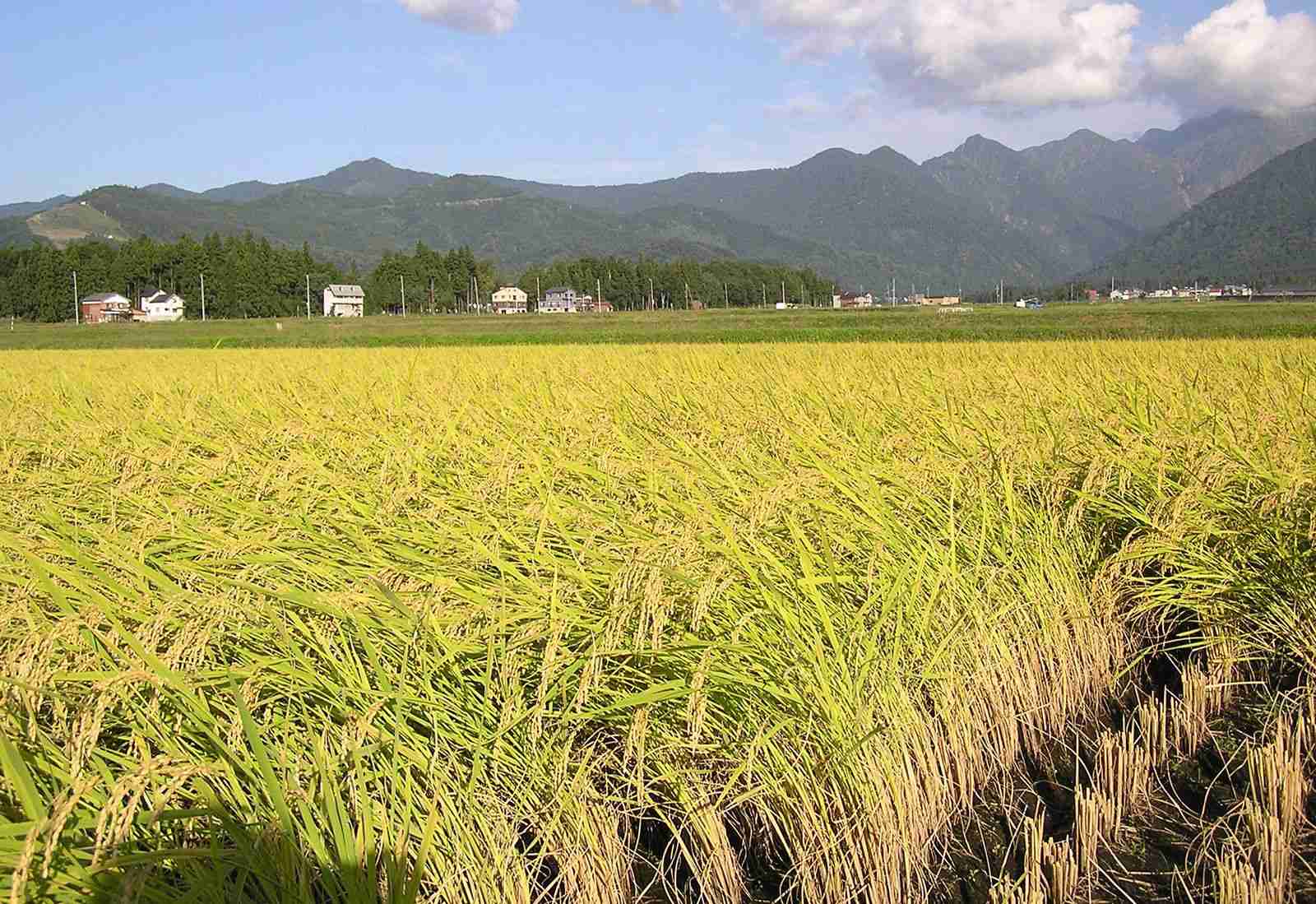
Understanding the Paddy Lifecycle from Field to Factory
The journey of paddy, from the lush green fields to the bustling processing factory, is a remarkable transformation shaped by nature and human ingenuity. Cultivation begins with careful planting, where farmers choose the right seeds and prepare the land for optimal growth. As the rice plants flourish, they go through critical phases that include germination, tillering, and maturation. During these stages, factors such as water management, sunlight exposure, and soil quality play crucial roles in ensuring a plentiful crop. Once ready for harvest, the golden ears of rice are harvested and transported to the processing facilities, marking the transition from field to factory.
At the factory, the paddy undergoes a sophisticated processing cycle that involves several key steps to transform it into the white rice we commonly consume. These steps typically include:
- Drying: Ensuring the grains have the right moisture content to prevent spoilage.
- Milling: Removing the hull and bran layers to produce polished rice.
- Sorting: Using machinery to separate high-quality grains from lower ones based on size and color.
This meticulous approach not only enhances the quality of the rice but also reduces waste, promoting sustainability within the industry. Below is a summary of the paddy processing steps:
| Step | Description |
|---|---|
| Drying | Reduces moisture in grains. |
| Milling | Removes hull and bran layers. |
| Sorting | Separates grains based on quality. |

Innovative Technologies Enhancing Grain Processing Efficiency
As the grain processing industry continues to evolve, a plethora of innovative technologies are ushering in a new era of efficiency and productivity. Among these advancements, automated sorting systems have taken center stage, utilizing sophisticated sensors and algorithms to detect and separate impurities from quality grains. This not only reduces manual labor but also ensures a higher standard of output. Additionally, AI-driven predictive maintenance tools are being implemented, allowing factories to foresee potential machine failures before they happen, thereby minimizing downtime and maximizing throughput.
Moreover, the integration of IoT (Internet of Things) devices has facilitated real-time monitoring of grain conditions throughout the processing journey. Sensors track moisture levels, temperature, and quality parameters, generating valuable data that enables managers to make informed decisions on-the-fly. The use of energy-efficient machinery has also become prevalent, contributing to lower operational costs and a reduced carbon footprint. Below is a concise comparison of traditional versus innovative grain processing methods:
| Aspect | Traditional Methods | Innovative Technologies |
|---|---|---|
| Processing Speed | Manual and time-consuming | Automated and rapid |
| Error Rate | Higher due to human involvement | Significantly reduced with AI |
| Resource Usage | Less efficient, more waste | Optimized for minimal waste |
| Environmental Impact | Higher carbon footprint | Lower due to energy-efficient practices |
Quality Control Measures Ensuring Optimal Grain Output
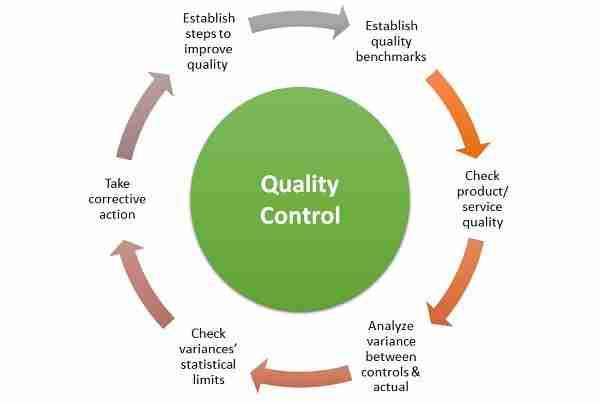
Maintaining the integrity of grain throughout the processing journey is paramount to achieving optimal output. In a paddy processing factory, various quality control measures are implemented to uphold high standards. Firstly, an inspection procedure initiates the process, where grains are meticulously checked for moisture content and outer quality. This step ensures that only the finest grains enter the processing line. Following this, the use of advanced cleaning techniques, including air blowing and sieving, removes impurities and foreign materials, safeguarding the grain’s quality and boosting the final product’s marketability.
Moreover, the factory’s adherence to stringent quality assurance protocols plays a crucial role. Critical checkpoints are established at each stage of processing, with samples taken and analyzed to monitor for consistency and purity. By incorporating techniques such as optical scanning and laboratory testing, the facility can detect any anomalies in grain quality. Emphasizing traceability ensures that any issues can be promptly addressed. Key factors in this quality control process include:
- Regular calibration of machinery
- Employee training on quality standards
- Real-time monitoring of processing conditions
Additionally, collaborative efforts with agricultural stakeholders help maintain connections to the source of raw materials, enabling regulators to effectively advocate for best practices in farming. The integration of feedback loops from both suppliers and consumers fosters a culture of continuous improvement, allowing the facility to adapt quickly to changing market demands.
Sustainable Practices for a Greener Paddy Processing Future
As the world increasingly shifts towards environmental consciousness, paddy processing factories are embracing innovative methods to reduce their ecological footprint. Central to these initiatives is the incorporation of renewable energy sources to power the machinery and operations. Solar panels installed on factory rooftops harness sunlight, while biomass energy from rice husks offers a sustainable alternative to fossil fuels. This not only lowers operational costs but also significantly curtails greenhouse gas emissions. Moreover, water recycling systems are being implemented, which enable factories to reclaim and reuse water during the milling process, drastically minimizing water wastage.
In the quest for sustainability, several practices are becoming commonplace in paddy processing. These include:
- Waste Valorization: Using by-products, such as rice bran and straw, for animal feed, biofuel, or raw materials in other industries.
- Organic Certifications: Establishing links with local farmers dedicated to organic paddy cultivation, providing a market for sustainable grains.
- Efficient Logistics: Streamlining transportation routes to minimize the carbon footprint associated with distributing finished products.
By continuously evolving and adopting such practices, paddy processing facilities are not only enhancing their operational efficiency but also playing a pivotal role in fostering a more sustainable agricultural landscape.
Final Thoughts
As we conclude our journey through the intricate world of paddy processing, we come to appreciate the delicate transformation of grain—from humble fields to the polished rice that graces our tables. Each step in this complex process, from harvesting to milling, showcases not only the remarkable technology behind modern food production but also the age-old traditions that continue to influence it. This intricate ballet between man, machine, and nature underscores the importance of food security and the sustainable practices that are essential for our future.
As consumers, our understanding of this journey enriches our appreciation for the rice that nourishes billions around the globe. It reminds us that behind every grain lies a story of dedication, innovation, and care—one that connects us to the farmers who plant the seeds, the skilled workers who process them, and the cultures that celebrate their harvest. May we carry this newfound awareness with us, respecting the effort that transforms a simple crop into a vital component of the global food system. The journey does not end here; it continues with every meal we share, every grain we savor, and every life it touches.



