
Milling Maize: Transforming Grains into Culinary Gold
In the grand tapestry of global cuisines, few ingredients boast the versatility and cultural significance of maize. More than just a staple in many households, this vibrant grain has journeyed from ancient fields to contemporary kitchens, playing a pivotal role in recipes that span the globe. But behind every delightful dish lies a fascinating journey—one that begins with the meticulous art of milling. As we peel back the layers of this process, we uncover not only the transformation of humble grains into flour but also the rich heritage, innovation, and culinary potential that maize brings to our tables. Join us as we explore the enchanting world of milling maize, where the simple kernel transcends its origins to become a cornerstone of culinary creativity and nourishment.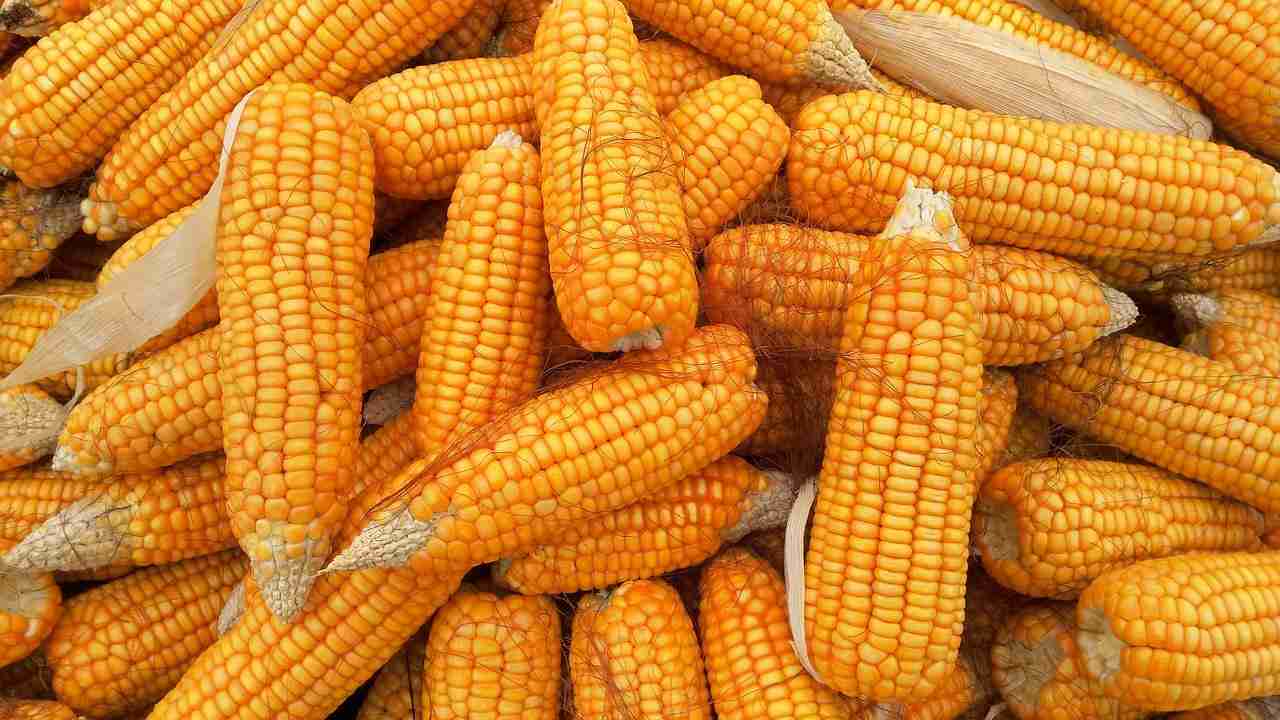
Exploring the Versatile Journey of Maize from Field to Flour
The journey of maize begins in the field, where the golden grains bask under the sun, soaking up nutrients from the fertile soil. Each kernel embodies the potential for transformation, a metamorphosis facilitated by skilled hands. Farmers diligently cultivate these vibrant crops, ensuring optimal conditions for growth. Once harvested, the maize is transported to mills, a pivotal step in its evolution from humble grain to a staple ingredient. Here, a blend of traditional techniques and modern technology works in harmony, as the grains are cleaned, dried, and conditioned for milling. The process is meticulous, requiring exacting attention to moisture levels and grain quality to produce the finest flour.
Milling maize is an art form that harnesses not only physical machinery but also the expertise of millers who understand the characteristics of different maize varieties. The transformation occurs as maize grains are crushed and ground into various textures of flour, from coarse polenta to silky fine masa. This versatility is celebrated in a multitude of culinary applications:
- Tortillas – A staple in Mexican cuisine, these flatbreads are made from finely ground masa.
- Polenta – This Italian comfort food utilizes coarsely ground maize, offering a rustic texture.
- Cornmeal – Perfect for baking, it adds a unique flavor to cornbread and muffins.
Understanding this intricate journey showcases not just the process, but also the profound impact of maize as a foundational ingredient that nurtures cultures and cuisines worldwide.
Unlocking the Nutritional Benefits of Freshly Milled Maize
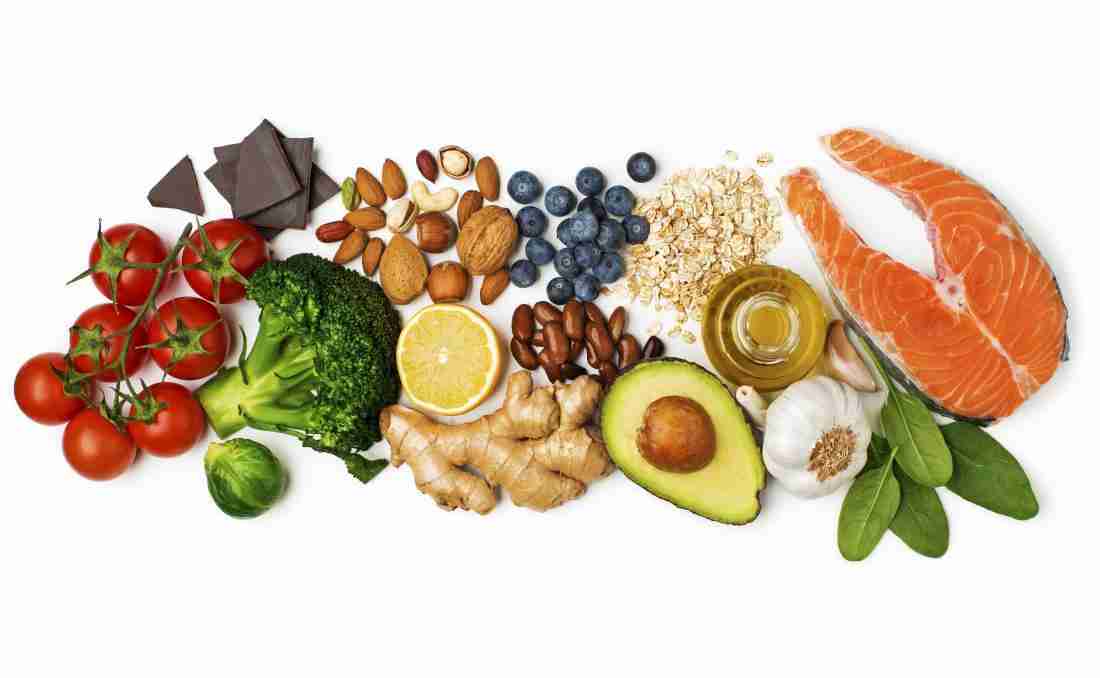
Freshly milled maize is a treasure trove of nutritional benefits that can elevate any dish. When maize is ground, its nutrients are unlocked in their most potent forms, offering a richer array of vitamins and minerals compared to store-bought alternatives. Some of the key benefits include:
- Rich in Fiber: This can help support digestive health and promote a feeling of fullness.
- High in Antioxidants: Fresh maize contains various antioxidants that help combat oxidative stress.
- Energy Boosting: The complex carbohydrates provide lasting energy, making it a perfect base for meals.
- Essential Nutrients: It’s a source of essential vitamins like B-vitamins, which are crucial for metabolism.
Moreover, freshly milled maize retains its natural oils, which contain healthy fats vital for heart health. This not only enhances flavor but also adds depth to your culinary creations. The versatility of freshly milled maize allows it to be transformed into a variety of dishes, from polenta to cornbread, each teeming with health benefits. Here’s a quick comparison of the nutritional elements in freshly milled maize versus prepackaged corn products:
| Nutrient | Freshly Milled Maize | Prepackaged Corn Product |
|---|---|---|
| Fiber (per 100g) | 7.3g | 3.5g |
| Vitamin B6 (per 100g) | 0.4mg | 0.1mg |
| Healthy Fats (per 100g) | 4.1g | 1.0g |

Innovative Techniques for Home Milling: Tips and Tools for Success
When it comes to home milling, having the right techniques and tools can significantly enhance the quality and flavor of any grain you’re working with. For maize, consider investing in a high-quality grain mill that suits your needs. Options include hand-cranked mills, electric mills, and impact mills, each offering unique benefits. A hand-crank mill is perfect for those who appreciate a manual process and the ability to control the coarseness of the grind. Conversely, electric mills provide speed and efficiency for larger batches, while impact mills produce a fine flour ideal for delicate recipes. Regardless of the type, ensure that your mill has durable grinding stones or steel burrs for consistent results.
In addition to selecting the right milling equipment, embracing innovative techniques can maximize your success. Here are some tips to consider:
- Experiment with moisture content: Adjusting the moisture level of your maize can inspire different textures and flavors.
- Incorporate a sifting process: After milling, sifting the flour can help separate fine particles from coarser ones for versatile baking applications.
- Blend grains: Combining maize flour with other flours, such as wheat or rice, can enhance nutritional value and flavor.
- Store properly: Freshly milled flour should be stored in an airtight container to preserve its flavor and nutrients; consider refrigeration if not used promptly.
| Mill Type | Pros | Cons |
|---|---|---|
| Hand-Crank | Control over grind, no electricity needed | Labor-intensive, slower process |
| Electric | Fast, efficient for large quantities | Dependent on electricity, may require maintenance |
| Impact | Produces fine flour quickly | Can generate heat, affecting flavor |
By incorporating these techniques into your home milling practices, you not only enhance the flavor profile of your baked goods but elevate your overall culinary experience. A deeper understanding of the milling process will allow you to transform simple maize into a staple of your kitchen, enriching meals and creating a sense of pride in your homemade ingredients.

Delicious Culinary Creations: Recipes that Showcase Maize Magic
Imagine a world where the humble maize kernel transforms into a culinary masterpiece, enhancing textures and flavors in every bite. Enter the realm of corn flour, a versatile ingredient that is the backbone of numerous dishes across cultures. From fluffy cornbread to delightful tortillas and creamy polenta, maize serves as the foundation for an array of creations. To start your culinary adventure, consider dishes such as:
- Sweet Corn Fritters: Perfectly crispy on the outside and soft on the inside, these little bites are a crowd-pleaser.
- Maize Meal Porridge: A warm, comforting dish that bursts with flavor, ideal for breakfast or a quick snack.
- Corn-Based Rissoles: These savory patties combine maize with spices and herbs for a delectable treat.
Next, let’s delve into the world of cornmeal, which boasts myriad applications, each capable of igniting your culinary creativity. This finely ground form opens up avenues to explore dishes traditionally beloved in various cuisines. Try your hand at:
| Recipe Name | Main Ingredients |
|---|---|
| Jalapeño Cornbread | Cornmeal, jalapeños, cheese |
| Cornmeal Pancakes | Cornmeal, eggs, milk |
| Polenta with Mushroom Sauce | Polenta, mushrooms, garlic |
These dishes highlight the magic of maize and encourage experimentation in your kitchen. Whether you decide to whip up a comforting bowl of polenta or dive into the vibrant world of cornbread, let maize transform your cooking journey into an extraordinary experience.
To Wrap It Up
As we conclude our exploration of milling maize, we are reminded that this ancient grain is more than just a staple of the human diet; it is a versatile canvas for culinary creativity. From the rhythmic sound of stones grinding against each other to the rich aroma of fresh cornmeal wafting through the air, the process of transforming maize into various forms unlocks a world of flavors and textures in our kitchens.
Whether you’re savoring a warm bowl of polenta, indulging in freshly baked cornbread, or experimenting with tortillas made from freshly milled maize, the journey from field to table celebrates tradition, innovation, and the profound connection between agriculture and gastronomy. As we embrace the art of milling, let us appreciate the heritage behind each kernel and embark on our own culinary adventures, transforming simple grains into dishes that nourish both body and soul.
So the next time you stand before that mill or reach for that bag of cornmeal, remember: you’re not merely cooking; you’re participating in a time-honored ritual that bridges cultures and brings people together around the table. Here’s to milling maize—a timeless practice that turns humble grains into culinary gold, one dish at a time.



