
In the realm of agricultural innovation, the pursuit of efficiency stands as a cornerstone in meeting the growing demands of food production. Among the myriad of advancements, the 4-ton rice mill plant emerges as a beacon of modern engineering, designed to streamline the milling process while maximizing output. This article delves into the intricacies of the 4-ton rice mill plant, exploring its components, operational mechanics, and the significant advantages it brings to rice processing. From its role in enhancing productivity to its contribution towards sustainable practices, we will unpack how this sophisticated machinery not only transforms raw grains into market-ready rice but also supports the livelihoods of farmers and communities across the globe. Join us as we unlock the potential of this vital agricultural asset, illuminating the path towards a more efficient and sustainable future in rice milling.
Exploring the Design Features of a 4-Ton Rice Mill Plant
The 4-ton rice mill plant is a marvel of design engineering, merging functionality with efficiency to meet the demands of modern rice processing. At its core, this plant features a multi-stage hulling system, which is crucial for separating the husks from the brown rice, ensuring minimal broken grains. Each component is designed to optimize the workflow, from the automatic feeding system that balances the input load, to the high-capacity elevators that transport rice through various stages without a hitch. Furthermore, the integrated dust collection units maintain a clean working environment, critical for both quality control and worker safety.
Another remarkable aspect includes the advanced milling technology, which utilizes precision-engineered rollers and separators that enhance rice whiteness while preserving the grain’s nutritional value. The plant’s layout is structured for ease of maintenance, allowing for quick repairs and reduced downtime. Additionally, the control panel offers real-time monitoring, ensuring operators have visibility into the entire milling process. To further illustrate its features, consider the following table that summarizes its key components:
| Component | Function | Benefits |
|---|---|---|
| Feeding System | Automatically supplies rice for milling | Increases efficiency |
| Milling Chamber | Processes brown rice into white rice | Ensures high quality |
| Dust Collector | Removes husk and dust | Maintains cleanliness |
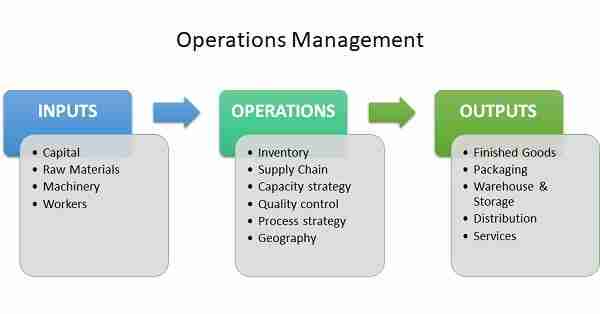
Understanding the Operational Process for Maximum Output
To achieve maximum output in a 4-ton rice mill plant, understanding its operational process is crucial. The process typically begins with receiving and cleaning the paddy, ensuring that any impurities such as stones, husks, or dust are meticulously removed. This initial step is vital as it sets the foundation for all subsequent processes, ultimately affecting the quality of the final product. Once the paddy is cleaned, it moves on to the steaming and soaking phase where it is prepared for milling. Adjusting the humidity and temperature during this stage not only enhances the milling efficiency but also impacts the end quality of the rice. Continuous monitoring of these variables is essential for the optimal performance of the mill.
Once properly soaked, the paddy undergoes milling, which includes steps such as husking, whitening, and polishing. Each of these processes is designed to progressively remove layers from the grain while preserving its nutritional value. To streamline operations, many mills employ an integrated system that combines these stages, reducing transit time and labor costs. The effectiveness of the milling operation can be evaluated through various parameters:
| Parameter | Optimal Level |
|---|---|
| Moisture Content | 12-14% |
| Husk Removal Rate | 95% |
| Whiteness Degree | ≥ 36% |
the rice is packaged and stored, ready for distribution. Each phase of the process must be closely monitored and adjusted as necessary to ensure that the mill operates at peak efficiency. Processes like quality control inspections during and after milling are imperative to maintain a high standard of product output. By implementing systematic operational practices, the rice mill plant can reliably meet production goals while ensuring the quality of the rice produced meets consumer expectations.

Maintenance Strategies to Enhance Longevity and Efficiency
To maximize the performance and resilience of a 4-ton rice mill plant, implementing proactive maintenance strategies is paramount. Regular inspection routines ensure that any potential issues are identified early, preventing costly downtime. Focus on key components such as the power transmission system, polishing units, and grain handling equipment. Establish a schedule for:
- Daily Cleaning: Remove rice husks and dust to prevent build-up.
- Weekly Checks: Inspect belts, pulleys, and bearings for wear and tear.
- Monthly Lubrication: Ensure all moving parts are well-greased to reduce friction and prolong their lifespan.
- Quarterly Overhauls: Complete system reviews to address any developments in equipment efficiency.
Additionally, fostering an environment of continuous improvement can lead to significant gains in operational longevity. Keeping staff trained on best practices not only boosts morale but also enhances the efficiency of the plant. A simple training table can encapsulate essential skills:
| Skill | Frequency of Training |
|---|---|
| Machine Operation | Monthly |
| Safety Protocols | Quarterly |
| Maintenance Procedures | Bi-Annually |
By integrating these methodologies, rice mill operators can look forward to a more efficient plant that stands the test of time. Lifecycle management doesn’t merely prolong equipment life but also directly translates to a more profitable operation.
Economic Considerations for Investing in Modern Rice Milling Technology
Investing in advanced rice milling technology can yield significant economic benefits, particularly for entrepreneurs and stakeholders in the agricultural sector. A modern rice mill not only enhances the quality and efficiency of rice processing but also promotes higher profit margins. By adopting automation and energy-efficient systems, the operational costs associated with labor and energy consumption can be substantially reduced. Key considerations include:
- Initial Investment vs. Long-term Savings: While the upfront costs of acquiring modern equipment may be considerable, the reduction in labor needs and higher output rates can lead to a favorable return on investment over time.
- Market Demand: As consumer preferences shift towards high-quality, polished rice, investing in technology that ensures superior milling processes can position a business competitively in the market.
- Government Incentives: Many regions offer financial support or tax incentives for adopting sustainable and efficient agricultural practices, making this investment even more appealing.
Additionally, understanding the operational efficiencies gained through modern technology can assist stakeholders in formulating sound financial strategies. The use of high-capacity machines allows for:
| Feature | Traditional Mills | Modern Mills |
|---|---|---|
| Processing Capacity | 1-2 tons/day | 4-10 tons/day |
| Energy Efficiency | Higher consumption | Lower consumption |
| Labor Requirement | High | Reduced |
By evaluating these factors, stakeholders can create a robust economic framework that outlines expected gains from increased throughput and reduced operational expenses. Transitioning to a modern rice milling system not only enhances productivity but also positions businesses to meet the evolving demands of the market effectively.
Closing Remarks
the journey through the inner workings of a 4-ton rice mill plant reveals a tapestry of innovation and efficiency woven into every operation. From the rigorous cleaning processes that ensure the highest quality grains to the sophisticated milling techniques that maximize yield, each component plays a vital role in transforming raw paddy into the staple food enjoyed by millions worldwide. As technology continues to evolve, the potential for optimizing these systems only grows, promising an era of enhanced productivity and sustainability in rice processing. Whether you’re a seasoned industry professional or a curious newcomer, understanding the intricacies of rice milling plants is essential for unlocking the future of this age-old agricultural practice. As we look ahead, one thing remains clear: the path to efficiency in rice milling is not just about machinery—it’s about smart strategies that respect the heritage of rice farming while embracing the innovations that empower it. Thank you for joining us on this exploration, and may your endeavors in rice cultivation and processing be ever fruitful.



