
In an age where sustainable agriculture and innovative technology intertwine, the quest for transforming raw resources into valuable commodities takes center stage. Enter the “Transforming Grain to Gold: The 2-Ton Rice Mill Initiative,” an ambitious project that transcends traditional milling processes to unlock a world of potential hidden within every grain of rice. This initiative aims to empower local farmers, bolster economies, and stimulate food security while harnessing the abundant opportunities presented by modern milling techniques. By understanding the intricate dance between grain and gold, we delve into a movement that not only strives for efficiency and quality but also champions the resilience of communities that rely on these staple crops for their livelihoods. Join us as we explore the significance of this initiative, its impact on sustainable practices, and the innovative approaches that are set to redefine the future of rice production.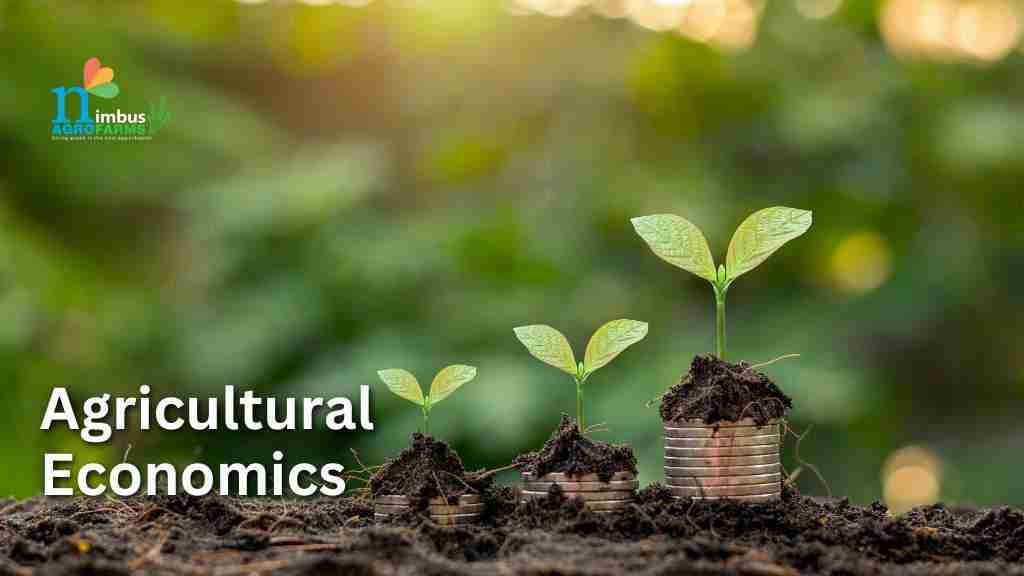
Rethinking Agricultural Economies Through the 2-Ton Rice Mill Model
In recent years, the agricultural landscape has witnessed a paradigm shift, particularly with the advent of innovative models such as the 2-ton rice mill initiative. This model challenges traditional farming practices by promoting modern, efficient milling systems that not only increase productivity but also enhance economic viability for local farmers. With a focus on sustainability and community engagement, the 2-ton rice mill serves as a catalyst for transforming raw grain into a valuable commodity. Farmers can now benefit from a streamlined process that optimizes rice production right at the source, reducing the time and costs associated with long-distance transport and outsourcing milling processes.
Moreover, the economic implications of this initiative extend beyond the farm gate. The establishment of local milling facilities creates a ripple effect in rural economies, fostering job creation and stimulating local markets. Key benefits include:
- Increased income: Farmers can sell higher-quality milled rice directly, enhancing their profit margins.
- Community ownership: Local ownership of milling operations encourages reinvestment within the community.
- Enhanced food security: Local mills facilitate immediate processing, reducing post-harvest losses.
| Benefit | Description |
|---|---|
| Quality Control | Farmers ensure that milled rice meets quality standards, enhancing market value. |
| Cultural Preservation | Support for traditional rice varieties and local preferences. |
| Environmental Sustainability | Reduced carbon footprint through localized production. |
Enhancing Efficiency and Sustainability in Rice Production
In the quest for agricultural innovation, the 2-Ton Rice Mill Initiative stands out as a beacon of modernity, channeling our focus toward both efficiency and sustainability. By integrating advanced milling technology, we can significantly reduce energy consumption and grain waste, enhancing the overall productivity of rice farming. Key features of this initiative include:
- Automated Processes: Utilizing automated systems to minimize human error and increase throughput.
- Energy Efficiency: Employing energy-saving machinery that aligns with environmental standards.
- High-Quality Outputs: Producing superior grade rice that meets market demands while preserving nutritional values.
Moreover, the initiative reflects a commitment to sustainable practices that encourage responsible resource management. By providing farmers with access to innovative tools and training on best practices, we can cultivate a culture of sustainability. The advantages are evident:
| Benefit | Description |
|---|---|
| Reduced Carbon Footprint | Lower emissions through efficient milling processes and renewable energy sources. |
| Increase in Yield | Optimized milling enhances the quality and quantity of rice, maximizing farmer income. |
| Community Impact | Fostering local economies by creating jobs and promoting local business growth. |

Empowering Local Farmers: A Community-Centric Approach
In the heart of our community, a revolution is blossoming as we embrace a collective spirit to uplift local farmers. Through the innovative 2-ton rice mill initiative, we aim to provide resources and training that empower these vital contributors to our economy. By facilitating access to modern milling equipment, farmers can now improve their yields, ensuring both quality and quantity in their production. This not only boosts individual incomes but also reinforces the entire community’s economic resilience. Key components of this initiative include:
- Skill Development: Workshops focused on sustainable farming techniques.
- Shared Resources: Access to modern machinery that would otherwise be out of reach.
- Market Access: Direct connections to local and regional markets to sell their produce.
This initiative is more than just a milling project; it’s a vital bridge connecting our farmers to the resources they need to thrive. With every grain processed, we are cultivating not just rice, but also community spirit, collaboration, and sustainability. To track our progress and ensure transparency, we are implementing a monthly reporting system that highlights our achievements. Below is a simple table showcasing our monthly output goals:
| Month | Expected Output (in Tons) |
|---|---|
| January | 50 |
| February | 70 |
| March | 100 |
Unlocking Market Potential: Strategies for Maximizing Returns
To truly harness the potential of the 2-ton rice mill initiative, entrepreneurs must leverage a multifaceted approach focused on both operational efficiency and market engagement. By adopting lean processing techniques, businesses can significantly reduce waste and enhance productivity. This involves streamlining workflows, implementing just-in-time inventory practices, and utilizing technology for real-time data tracking. On top of operational improvements, establishing strong supply chain relationships can make a substantial difference. By collaborating with local farmers and suppliers, mill operators can ensure a consistent quality of raw materials, while also fostering community support, which can lead to a loyal customer base.
Furthermore, exploring diverse marketing strategies is essential for increasing product visibility and attracting wider markets. Strategies such as engaging with social media platforms, forming partnerships with local grocery chains, and participating in agricultural fairs can elevate brand awareness. Additionally, the creation of educational content showcasing the benefits of processed rice can strengthen customer trust and encourage purchases. To quantify the effectiveness of these strategies, consider the following table illustrating potential returns from various marketing initiatives:
| Marketing Initiative | Estimated ROI (%) | Investment Level |
|---|---|---|
| Social Media Campaign | 150% | Low |
| Local Grocery Partnerships | 120% | Moderate |
| Agricultural Fair Participation | 100% | High |
| Educational Content Creation | 200% | Low |
Closing Remarks
As we conclude our exploration of the ”Transforming Grain to Gold: The 2-Ton Rice Mill Initiative,” it becomes evident that this pioneering project transcends the mere mechanics of rice milling. It embodies a transformative vision—a fusion of tradition and innovation, sustainability and community empowerment. By harnessing local resources and fostering agricultural resilience, the initiative not only enhances productivity but also nurtures economic growth in rural areas.
The journey from grain to gold is not just about the end product; it is about the people behind the process, the stories woven into every handful of rice, and the promise of a thriving future. In a world where food security and sustainable practices are more crucial than ever, the 2-Ton Rice Mill Initiative stands as a beacon of hope. It serves as a reminder that through collaboration, ingenuity, and commitment, we can turn challenges into opportunities, creating lasting impacts one grain at a time.
As we look to the future, let us take inspiration from this initiative to champion sustainable practices in our own communities. The potential for transformation lies not only in the technologies we adopt but in the spirit of collaboration and innovation we foster. The journey is just beginning, and with every effort, we get closer to turning grains into gold for generations to come.



