
Unlocking the Secrets of Paddy Processing: A Grain’s Journey
In a world that often rushes from one meal to the next, the intricate journey of a single grain of rice can be easily overlooked. From the lush, sun-drenched paddies where rice plants sway gently in the breeze to the steaming bowls that grace our tables, each grain has a story to tell. This article invites you to unlock the secrets of paddy processing—a remarkable transformation of a humble seed into a staple food that nourishes millions. As we delve into the meticulous stages of harvesting, milling, and packaging, we will uncover the age-old techniques and innovations that shape the journey of rice, revealing the artistry and science behind one of humanity’s most vital crops. Join us as we explore the rich tapestry of paddy processing and celebrate the paths that connect our farms to our forks.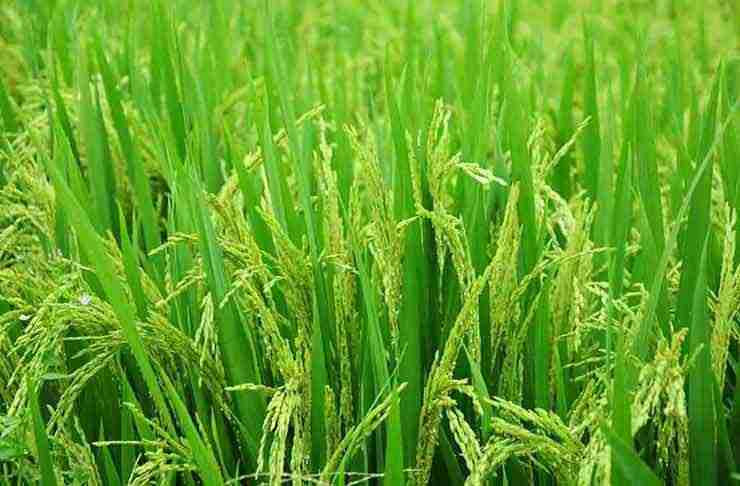
Understanding the Paddy Lifecycle from Field to Mill
The journey of paddy, from the lush green fields to the bustling mill, is a fascinating process that unveils the natural transformation this grain undergoes. Initially, rice plants thrive in flooded paddies, where they soak up sunlight and nutrients. As the plants flourish, they develop sturdy stems and vibrant shoots, culminating in the formation of rice grains within delicate husks. Key factors influencing this growth include water management, soil quality, and climate conditions, which farmers meticulously monitor to ensure optimal yields. Once harvesting season arrives, the golden heads of rice are skillfully cut, often using traditional tools or modern machinery, and laid out to dry in the sun before being threshed to separate the grains from the stalks.
After harvest, the grains embark on a crucial journey to the mill, where they undergo systematic processing. The milling phase consists of multiple steps designed to maximize both quality and yield, including cleaning, hulling, and polishing. These processes are essential to remove unwanted materials while preserving the nutritional value and flavor of the rice. Below is a quick overview of the milling process:
| Process Step | Description |
|---|---|
| Cleaning | Removing debris and impurities from harvested paddy. |
| Hulling | Removing the outer husk to unveil the brown rice. |
| Polishing | Enhancing appearance and texture of the rice. |
This meticulous approach not only ensures that the rice remains tasty and appealing but also increases its shelf life. Understanding this intricate journey reinforces the appreciation for each grain, highlighting the effort and expertise involved in bringing it from the field to our dining tables.
Essential Techniques for Efficient Paddy Harvesting
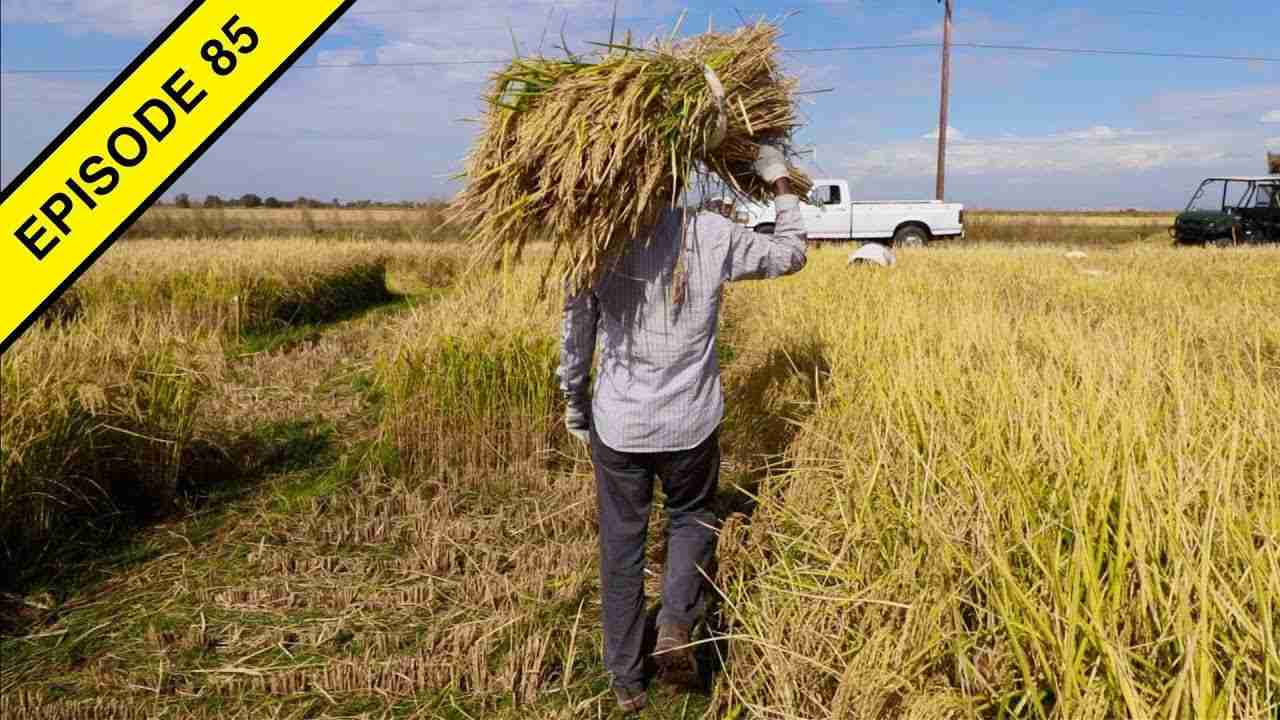
Harvesting paddy efficiently is both an art and a science, requiring a keen understanding of timing and technique. Farmers often commence the process when the grains turn golden, indicating ripeness. It’s pivotal to utilize the right tools and equipment to maximize productivity. Here are some essential techniques that can significantly improve the harvesting process:
- Manual Harvesting: This traditional method involves skilled laborers using sickles. It allows for selective harvesting and minimizes grain loss.
- Mechanical Harvesters: These machines can drastically reduce labor costs and time. They are ideal for large fields, collecting and threshing simultaneously.
- Coordinated Teamwork: Organizing a group effectively ensures that the harvesting is swift and systematic, reducing delays and ensuring all plants are addressed.
- Optimal Weather Conditions: Harvesting during dry weather helps prevent the grains from being damaged, ensuring a higher quality of the final product.
Moreover, it’s crucial to understand post-harvest techniques that complement the main harvesting operation. Proper handling and storage immediately after harvesting can significantly affect the quality and yield. Implementing these practices can enhance the longevity and marketability of harvested paddy:
| Technique | Description |
|---|---|
| Sun Drying | Exposes paddy to sunlight to reduce moisture content, preventing spoilage. |
| Safe Storage | Utilizing dry, cool storage facilities protects grains from pests and moisture. |
| Frequent Monitoring | Regular checks ensure that stored grains remain in optimal condition. |

Exploring Modern Technologies in Paddy Processing
In today’s fast-paced agricultural landscape, the integration of modern technologies into paddy processing has revolutionized the way we handle this staple crop. Innovative machinery is transforming traditional methods, making processing faster, safer, and more efficient. For instance, automated milling systems reduce human error, allowing for more consistent quality in rice production. Furthermore, precision agriculture technologies apply data analytics to optimize irrigation and nutrient management, ensuring that every grain harvested meets high-quality standards. These advancements not only enhance yield but also minimize the environmental impact of paddy farming.
Moreover, the rise of smart storage solutions is addressing critical issues like spoilage and pest infestations. Advanced monitoring systems utilize sensors to track moisture levels and temperature, ensuring optimal storage conditions. As a result, farmers and processors can better preserve the grain’s quality over time. Enhancing these processes also involves the adoption of biotechnology, which aids in developing pest-resistant varieties and improves overall crop resilience. The convergence of these technologies is paving the way for an agile and sustainable paddy processing industry, capable of meeting the demands of a growing population while safeguarding natural resources.
Sustainable Practices for Enhancing Grain Quality and Yield
To enhance both grain quality and yield, farmers can adopt several sustainable practices that address soil health, water management, and biodiversity. By implementing crop rotation, farmers can break pest cycles and improve soil fertility, ultimately leading to healthier paddy crops. Further, the use of cover crops can protect soils from erosion and enhance organic matter, resulting in increased water retention. These approaches not only contribute to the enhancement of grain quality but also foster resilient ecosystems that can better withstand the challenges posed by climate change.
Water management is another critical component that significantly affects grain production. Techniques such as alternate wetting and drying (AWD) can optimize water use, reducing overall consumption while preventing soil salinization and improving yield. Furthermore, integrating integrated pest management strategies can help maintain pest populations at manageable levels without resorting to harmful pesticides. By combining these practices, farmers can create a sustainable farming model that increases both productivity and the environmental quality of their agricultural lands.
In Summary
As we conclude our exploration of paddy processing, it’s clear that this seemingly simple grain embarks on a multifaceted journey, transforming from a humble seed in the field to a staple that nourishes millions around the globe. Each step, from cultivation and harvesting to drying, milling, and packaging, plays a crucial role in ensuring the quality and integrity of rice. Understanding these processes not only highlights the intricate connection between agriculture and food production but also emphasizes the importance of sustainable practices to secure the future of this essential crop. As we unlock the secrets behind paddy processing, we gain not just knowledge but also a deeper appreciation for the hands that toil to bring this vital grain to our tables. So, the next time you savor a bowl of rice, remember the journey it undertook and the people dedicated to keeping that journey alive.



