
Transforming Grains: The Art and Science of Rice Milling
In the heart of countless cultures around the globe, rice stands as more than just a staple food; it symbolizes sustenance, tradition, and culinary artistry. Yet, the journey of this humble grain from paddy to plate is a complex and meticulous process, shaped by the interplay of time-honored techniques and modern innovations. Enter the world of rice milling, where the simple act of dehusking and polishing unveils a hidden artistry and a profound science. From the rhythmic whirring of ancient milling stones to the sleek efficiency of contemporary machinery, rice milling is a transformative craft that demands precision, knowledge, and respect for the grain. As we delve into this intricate process, we will uncover the delicate balance between tradition and technology, exploring how each step not only enhances the grain’s natural qualities but also contributes to a sustainable future for one of humanity’s most essential food sources. Join us as we embark on a journey through the intricate labyrinth of rice milling, where every grain tells a story of transformation and reverence for nature’s bounty.
Understanding the Milling Process and Its Impact on Grain Quality
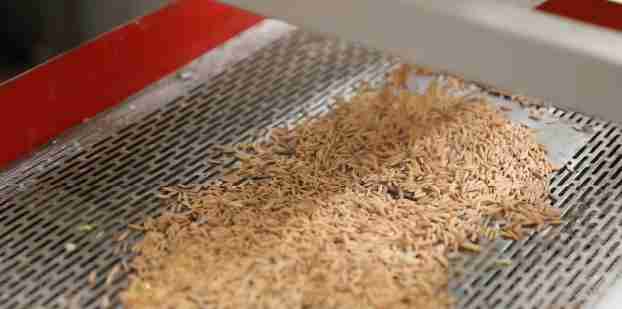
The milling process is a critical phase in grain processing that significantly influences the quality and nutritional value of rice. This intricate procedure involves several stages, each designed to remove the inedible husk and bran layers while preserving the endosperm. Key steps in the milling process include:
- Pre-cleaning: This initial step removes impurities such as stones, dust, and other foreign materials.
- Hulling: Hulling separates the husk from the brown rice, resulting in a more palatable grain.
- Whitening: This stage polishes the rice, removing bran layers to produce white rice. However, excessive whitening can diminish nutrient content.
- Grading: The final stage involves sorting the milled rice by size and quality, ensuring uniformity and market readiness.
Each of these stages plays a pivotal role in determining the final product’s quality. For instance, the degree of whitening can significantly affect both the appearance and nutritional profile of the rice. Over-milling can lead to a loss of essential nutrients such as vitamins and minerals found in the bran. It’s also important to note that the milling process can create varying levels of broken kernels, which can influence consumer perception and marketability. Tables can help visualize these quality factors:
| Quality Factor | Description | Impact on Rice |
|---|---|---|
| Broken Kernel Rate | Percentage of rice that is fractured or chipped | Affects cooking quality and market price |
| Grain Color | Visual appearance of the rice | Influences consumer preferences |
| Nutritional Content | Levels of vitamins and minerals | Determines health benefits and dietary value |
Exploring Traditional and Modern Techniques in Rice Milling
Rice milling is a fascinating dance of both age-old traditions and cutting-edge technologies, each contributing to the quality and efficiency of rice processing. Traditional techniques, often passed down through generations, rely heavily on human skill and natural materials. Methods such as the use of mortars and pestles, traditional stone grinding, and hand-picking of impurities embody a tactile connection to the grains and their journey from field to table. These practices promote not just authenticity in taste but also a sense of culture and heritage, often associated with specific regions. However, the labor-intensive nature of these methods can limit scalability and introduce variability in quality.
On the other hand, modern techniques have revolutionized rice milling, prioritizing speed, efficiency, and precision. Advancements such as automated milling machines and high-tech milling equipment have significantly reduced processing times while improving output consistency. Notable innovations include:
- Laser sorting technologies for quality control
- Multi-functional milling machines that combine hulling, polishing, and grading
- Computerized systems that optimize milling operations according to grain characteristics
Each of these innovations not only enhances efficiency but also meets the growing demand for high-quality rice in the global market. The integration of sustainable practices within modern techniques further adds another layer of importance, as producers navigate the challenges of climate change and resource management effectively.
| Aspect | Traditional Techniques | Modern Techniques |
|---|---|---|
| Speed | Slow and labor-intensive | Fast and automated |
| Cost | Low initial investment | Higher upfront costs, lower operating costs |
| Quality Control | Subjective, skill-dependent | Data-driven, consistent |
| Cultural Significance | Deeply rooted in tradition | Innovation-driven |

Nutritional Enhancements: Balancing Taste and Health in Rice Products
As consumers become more health-conscious, the rice industry is stepping up to meet the demand for nutritious options without compromising on flavor. Innovations in rice milling technology now enable producers to create fortified rice products that retain the savory qualities of traditional grains while boosting their nutritional profiles. Fortification techniques include the addition of essential vitamins and minerals, such as:
- Iron to combat anemia
- Folic acid for prenatal health
- Zinc for immune support
- Vitamin A for improved vision
These enhancements not only cater to dietary needs but also open new avenues for culinary applications, transforming common rice dishes into nutritional powerhouses. Moreover, the art of balancing taste and health extends to flavor-infused rice varieties that incorporate healthy spices and herbs. This leads to a delightful incorporation of key nutrients through well-crafted combinations such as:
| Rice Variety | Added Flavor | Nutritional Benefit |
|---|---|---|
| Brown Rice | Cilantro | Rich in antioxidants |
| Jasmine Rice | Turmeric | Anti-inflammatory properties |
| Wild Rice | Garlic | Promotes heart health |
Through these advancements, rice products are evolving into a versatile base for a wide range of nutritious meals, showing that healthful eating can indeed be a flavorful adventure.
Sustainability in Rice Milling: Practices for a Greener Future
The journey from paddy to polished rice has long been a critical component of agricultural economies worldwide. As we become increasingly aware of the environmental impact of food production, rice milling enterprises are stepping up to adopt sustainable practices that not only improve efficiencies but also reduce ecological footprints. These efforts encompass a range of innovative techniques, including:
- Water-efficient processes: Implementing advanced milling technologies that minimize water usage, which is vital in regions where water scarcity is a growing concern.
- Waste-to-value initiatives: Utilizing by-products such as rice husks and bran for bioenergy production or as organic fertilizers, transforming waste into valuable resources.
- Energy optimization: Investing in energy-efficient machinery and renewable energy sources to reduce reliance on fossil fuels.
Furthermore, collaboration with local farming communities plays a crucial role in promoting sustainable practices. Engaging farmers in education about sustainable agricultural methods can enhance the quality of rice produced while reducing the overall environmental impact. Key practices include:
- Integrated pest management: Adopting natural pest control methods, thereby lowering the dependency on chemical pesticides.
- Crop rotation: Implementing diverse cropping systems that improve soil health and reduce the risk of crop failure.
- Continuous improvement programs: Establishing feedback loops between millers and farmers to encourage shared environmental goals and efficiency gains.
| Sustainable Practice | Benefits |
|---|---|
| Water-efficient processes | Reduces water usage, preserving resources. |
| Waste-to-value initiatives | Turns waste into energy and organic inputs. |
| Energy optimization | Decreases carbon footprint and energy costs. |
In Retrospect
As we reach the end of our exploration into the intricate world of rice milling, it becomes clear that this process is much more than a mere step in the journey from field to plate. It is a harmonious blend of art and science, where tradition meets technology, and precision dances with passion. The transformation of humble grains into a staple cherished across cultures is a testament to human ingenuity and our enduring relationship with food.
From the golden fields swaying in the breeze to the rhythmic sounds of milling machinery, every stage tells a story of patience and craft. As consumers, understanding this journey fosters a deeper appreciation for the rice that graces our tables, reminding us of the skilled hands and innovative minds behind each grain. In an era where sustainable practices and quality assurance are more crucial than ever, the art and science of rice milling will continue to evolve, ensuring that this vital staple remains a source of nourishment and culture for generations to come. As we savor each bite, let us celebrate the transformation that has made rice not just food, but a symbol of resilience and connectivity worldwide.



