
In the heart of agricultural innovation lies a seemingly unassuming yet vital machine: the rice milling machine. As the globe’s demand for rice continues to soar, the efficiency and reliability of processing methods have become paramount. Unlocking efficiency in rice milling is not just about producing a staple food; it’s about empowering farmers, enhancing economies, and ensuring sustainability. This essential guide explores the intricate world of rice milling machines, delving into their evolution, functionality, and the technological advances that have transformed the landscape of rice production. Whether you are a seasoned rice miller or a curious newcomer, join us as we unravel the mechanics, benefits, and best practices associated with these remarkable machines, paving the way for a more efficient future in rice processing.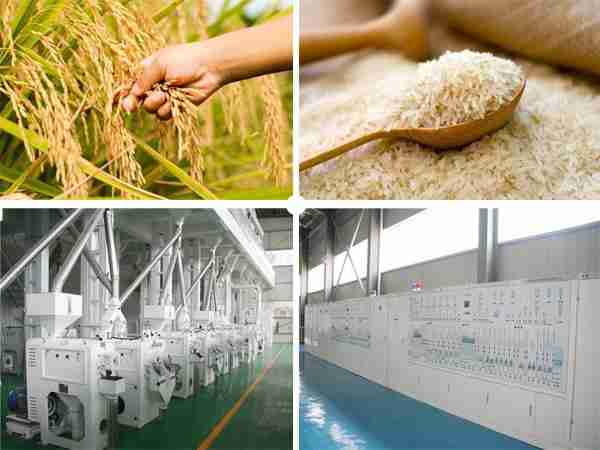
Understanding Rice Milling Technology for Optimal Performance
Rice milling technology has evolved significantly, paving the way for improved efficiency and enhanced quality in milling operations. Understanding the various processes and machinery involved can greatly impact the performance of any rice milling facility. At the core of rice milling are essential components that work in tandem to ensure that the rice grains are processed optimally. These include huskers, which remove the outer husk, whitener for polishing the grains, and graders that sort rice by size and quality. Each machine is designed to fulfill a specific role while contributing to the overall efficiency of the milling process.
To maximize performance, it is crucial to select rice milling machines that align with your operational needs. Key factors to consider include the capacity of the machine, energy consumption, and maintenance requirements. Additionally, advancements in technology such as automation and precision engineering have led to the development of more sophisticated systems that minimize waste and enhance the quality of the final product. Below is a simple comparison of essential rice milling machines:
| Machine Type | Function | Key Benefit |
|---|---|---|
| Husker | Removes husk from rice | Increases yield |
| Whiter | Polishes rice grains | Enhances appearance |
| Grader | Sorts rice by size | Optimizes quality |

Key Features to Consider When Selecting Rice Milling Machines
Selecting the right rice milling machine can significantly impact the efficiency and yield of your milling operation. When evaluating options, one should pay close attention to capacity and throughput—these factors dictate how much rice can be processed in a given timeframe. High-capacity machines are ideal for larger operations, while smaller units may better suit boutique mills. Also consider the machine’s energy efficiency, which can lead to substantial cost savings over time. Features such as adjustable milling settings allow operators to customize the milling process, optimizing the grain’s quality and reducing waste.
Another crucial aspect is maintenance and support. Machines that are easier to clean and maintain often result in less downtime, helping you meet production schedules without hiccups. Look for equipment that comes with a warranty and after-sale service, as this can save future headaches and provide peace of mind. Additionally, consider the size and layout of the machine in relation to your available space; a compact design may be beneficial if floor space is limited. Here’s a table summarizing key features to keep in mind:
| Feature | Description |
|---|---|
| Capacity | Measurement of how much rice can be processed at a time. |
| Energy Efficiency | Impact on overall operating costs over time. |
| Maintenance | Ease of cleaning and upkeep for long-term operation. |
| Adjustable Settings | Customizable options for desired rice quality. |
| Size and Layout | Compatibility with available operational spaces. |
Maintenance Practices to Enhance Longevity and Efficiency
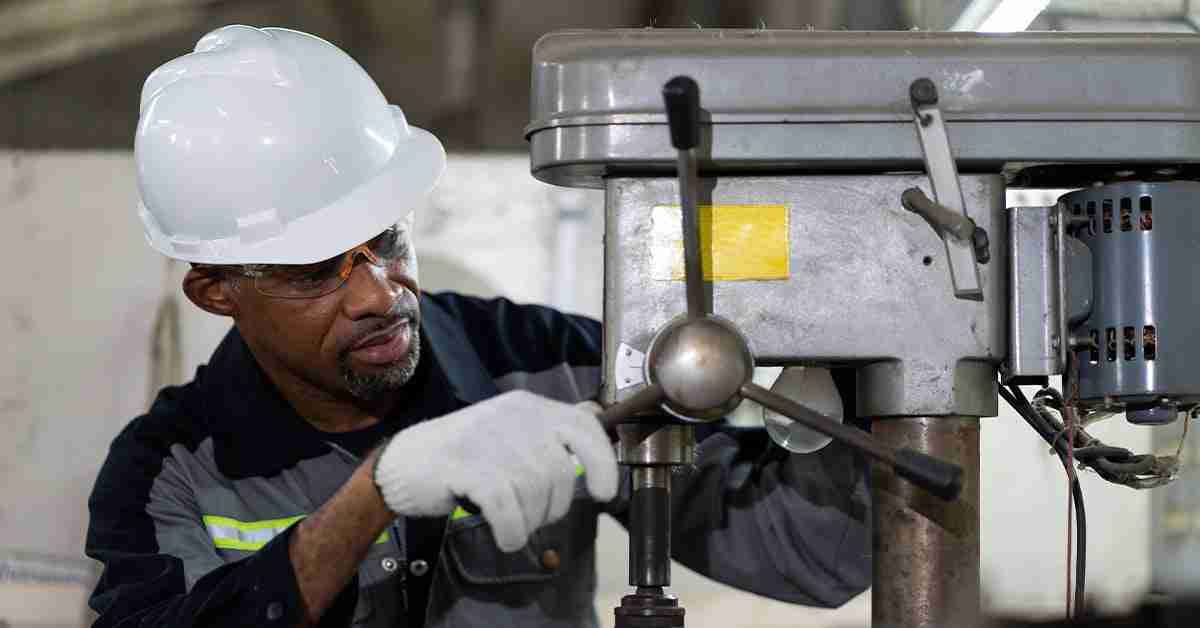
Regular maintenance is crucial to ensuring rice milling machines operate at their peak performance while extending their service life. Key practices include calibration of machinery components to guarantee accurate and consistent outputs. Operators should also conduct routine checks on wear parts, such as hulling rolls and screens, replacing them before they lead to more significant damage or inefficiency. Essential maintenance tasks commonly include:
- Daily Cleaning: Remove dust and debris that can hinder machine performance.
- Lubrication: Ensure all moving parts are adequately lubricated to minimize friction wear.
- Inspection: Examine belts and chains for signs of wear or misalignment regularly.
- Part Replacement: Schedule replacement of critical components based on usage and manufacturer guidelines.
Moreover, maintaining optimal operational conditions can significantly improve the efficiency of rice milling machines. Keeping the working environment free from moisture and dust helps prevent corrosion and build-up, which can degrade machine performance. Implementing a systematic maintenance schedule aids operators in tracking maintenance activities and performance metrics. Consider the following maintenance schedule to run an effective operation:
| Maintenance Task | Frequency |
|---|---|
| Daily Cleaning | Every Day |
| Lubrication Check | Weekly |
| Wear Part Inspection | Monthly |
| Comprehensive Audit | Quarterly |
Innovative Solutions for Modern Rice Milling Challenges
In the rapidly evolving landscape of rice milling, addressing operational challenges requires a blend of tradition and innovation. The introduction of automated milling machines has markedly enhanced the efficiency of rice processing, minimizing labor costs while maximizing yield. These machines are equipped with advanced features that streamline various stages of the milling process, such as husk removal, bran separation, and polishing. Manufacturers are now focusing on sustainability by integrating energy-efficient technologies, which are not only cost-effective but also environmentally friendly. Adopting these innovative solutions can significantly enhance productivity and operational reliability.
The shift towards data-driven decision-making in milling operations has given rise to smart rice milling systems. These systems utilize sensors and AI technology to monitor performance metrics in real-time, allowing operators to make informed adjustments on the fly. The benefits of such technological integration include:
- Improved Yield: Maximizing the quantity of edible rice produced.
- Quality Control: Ensuring uniform grain quality with better texture and taste.
- Cost Reduction: Lowering operational costs through optimal resource allocation.
Furthermore, these advancements facilitate effective supply chain management, which is crucial in today’s global market. The table below outlines the features of leading modern rice milling machines:
| Machine Model | Key Features | Efficiency Rating |
|---|---|---|
| EcoMill Pro 3000 | Automated husk removal, energy-saving design | 95% |
| SmartGrain X5 | Real-time monitoring, AI-integrated | 90% |
| SustainMiller 2023 | High yield, low maintenance | 92% |
The Conclusion
harnessing the power of rice milling machines is a critical step toward achieving optimal efficiency in rice production. From traditional methods to cutting-edge technology, the evolution of these machines reflects the industry’s ongoing commitment to enhancing productivity and quality. By understanding the various types of machines available and their functionality, farmers and millers can make informed decisions that align with their operational goals.
As we venture into a future driven by innovation and sustainability, the significance of efficient rice milling will undoubtedly continue to grow. Whether you’re a seasoned miller or an emerging producer, embracing these advancements will not only streamline your processes but also contribute to the overall success of the agricultural sector. The journey toward unlocking efficiency is ongoing, and with the right tools, the possibilities are endless.
Thank you for joining us on this exploration of rice milling machines. May your endeavors in the field of rice production be met with efficiency, sustainability, and success.



