
From Grain to Greatness: Exploring the World of Rice Mills
Rice is more than just a staple food; it is a cultural cornerstone, a symbol of sustenance, and an integral part of culinary traditions across the globe. Yet, the journey of this beloved grain from paddy fields to dining tables is often overlooked. At the heart of this transformation lies the unassuming rice mill—a hub of activity where time-honored techniques and modern technology converge to refine the grain into its edible form. In this exploration of rice mills, we will delve into the intricate processes that turn golden grains into polished kernels, the economic and social impact of these facilities on local communities, and the innovations shaping the future of rice milling. Join us as we traverse the landscape of this vital industry, unveiling the stories woven into every grain that reaches our plates, and celebrating the journey from grain to greatness.
The Journey of Rice: Understanding the Milling Process
The transformation of rice from its raw form to the polished kernels we enjoy on our plates is a marvel of agricultural engineering and craftsmanship. The milling process plays a crucial role in enhancing the quality and safety of rice, ensuring that each grain is ready for consumption. It begins with cleaning, where debris and impurities are removed. Next, the rice undergoes dehusking, separating the husk from the grain itself through mechanical means. This is followed by milling, which removes the bran layer to unveil the white rice that many are familiar with. Each step is pivotal, as it not only boosts the aesthetic appeal of the rice but also affects its taste, nutritional value, and cooking qualities.
In modern rice mills, technology has revolutionized traditional practices, leading to enhanced efficiency and consistency. Mills often incorporate sorting and grading methods, using both optical and mechanical systems to classify rice grains by size and quality. To understand the effects of milling on nutrition, consider the following table showcasing the nutritional differences between various rice types:
| Rice Type | Calories (per cup) | Protein (grams) | Fiber (grams) |
|---|---|---|---|
| Brown Rice | 218 | 5 | 3.5 |
| White Rice | 205 | 4.5 | 0.6 |
| Jasmine Rice | 205 | 4.3 | 0.5 |
| Basmati Rice | 190 | 4.2 | 0.6 |
As rice continues on its journey from the mill to your kitchen, this intricate process ensures quality remains high and flavors are preserved, making rice one of the most versatile and beloved staples in cuisine across the globe.
Innovative Technologies Shaping Modern Rice Mills
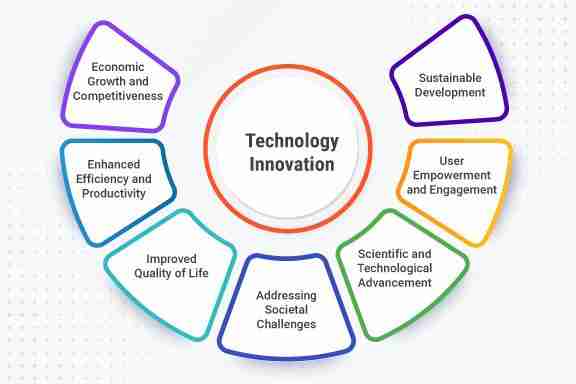
In the ever-evolving landscape of agriculture, modern rice mills are increasingly adopting innovative technologies to enhance productivity and sustainability. Advanced machinery equipped with smart sensors and automated systems enables precise control over various processes, ensuring optimal milling results. From energy-efficient hullers that minimize waste to laser sorters that guarantee grade-A rice, these tools are transforming the way rice is processed. Moreover, digital platforms allow for real-time monitoring of milling operations, making it possible to detect issues early and adjust workflows dynamically.
The integration of artificial intelligence (AI) and machine learning is particularly noteworthy, as these technologies analyze data from multiple sources to streamline production. For instance, AI algorithms can predict maintenance needs based on historical performance data, reducing downtime and repair costs. Additionally, the use of biometric sensors enhances food safety by monitoring for contaminants throughout the milling process. This convergence of physical and digital technologies not only maximizes efficiency but also aligns with sustainable practices, contributing to a healthier planet while delivering premium rice to consumers.
Quality Assurance: Ensuring Excellence from Field to Fork
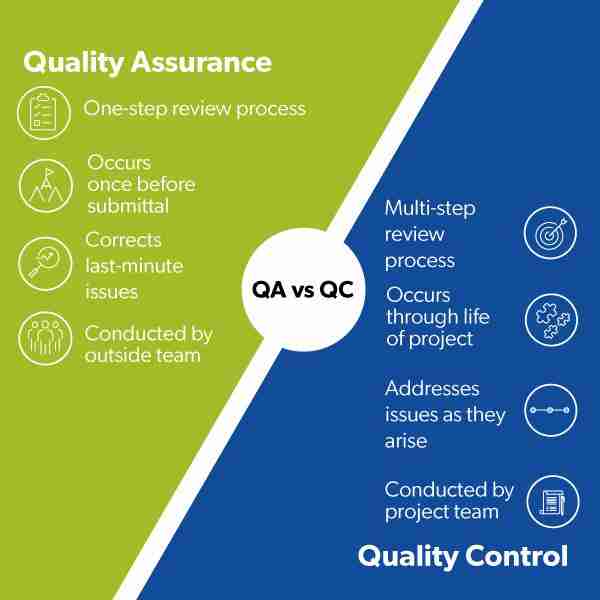
In the journey from grain to greatness, the commitment to quality assurance is paramount at every stage. Our rice mills implement rigorous standards to ensure that every kernel meets the highest expectations. Each grain of rice undergoes meticulous processes from initial sourcing to final packaging. This commitment encompasses:
- Research and Testing: Continual analysis of rice varieties to determine their quality and suitability.
- Hygiene and Cleanliness: Strict sanitation protocols to prevent contamination.
- Grading Systems: Using advanced technology for grading rice, including optical sorting and moisture measurement.
- Quality Control Checks: Regular inspections throughout the milling process to guarantee excellence.
Furthermore, transparency is crucial in upholding our quality assurance standards, allowing consumers to trust in the products they purchase. Data-driven insights play a significant role in our operations. We maintain comprehensive records to analyze each batch’s performance, ensuring continuous improvement and adherence to our quality benchmarks. Our efforts culminate in a robust system of checks and balances that foster confidence in our final product.
| Quality Control Aspect | Purpose |
|---|---|
| Field Testing | To assess grain quality before harvest |
| Processing Standards | To ensure consistency and safety in production |
| Packaging Integrity | To prevent spoilage and maintain quality during distribution |
Sustainable Practices in Rice Milling for a Greener Future
Modern rice milling has begun to embrace eco-friendly methods, aiming to reduce its carbon footprint and promote resource conservation. One innovative approach is the utilization of renewable energy sources in the milling process. Solar panels and biomass energy systems are increasingly being integrated, allowing rice mills to operate with lower greenhouse gas emissions. Additionally, the adoption of water-efficient technologies helps minimize the use of water, which is particularly vital in areas facing water scarcity. By recycling water and employing advanced filtration systems, rice mills can significantly reduce their environmental impact.
Moreover, waste management practices in rice milling have evolved as operators seek to maximize the utility of every part of the rice plant. By-products such as husk and bran are transformed into value-added products like animal feed or biofuels. The implementation of zero-waste systems enables mills to ensure that nothing goes to waste, thus creating circular economies within the rice industry. Innovative partnerships between mills and local farmers also help in distributing these by-products, fostering community engagement and sustainable agricultural practices.
Concluding Remarks
As we conclude our exploration of rice mills and their journey from humble grains to culinary greatness, we are reminded that these intricate processes are far more than just a means of production. They embody the intersection of tradition and innovation, weaving rich narratives that connect communities across the globe. The rice mill stands as a testament to human ingenuity and resilience, transforming a simple grain into a staple that nourishes billions.
As we cultivate a deeper appreciation for the meticulous craftsmanship behind rice milling, may we also recognize the stories of the farmers, millers, and consumers who play vital roles in this journey. Each grain carries with it the legacy of countless hands, each mill echoes the rhythmic heartbeat of a culture intertwined with nature’s bounty.
So whether you savor a fragrant bowl of jasmine rice or enjoy a delicate sushi platter, remember that there’s an intricate world behind your meal—one that resonates with flavors, history, and the promise of sustainability. As we move forward, let us celebrate the rich tapestry that rice weaves into our lives, honoring both its past and its bright future. From grain to greatness, the journey continues, inviting us all to partake in its story.



