
In the verdant fields where golden grains sway gently in the breeze, a silent revolution is taking place—one that promises to redefine the landscape of rice production across the globe. As populations burgeon and the demand for sustainable food sources intensifies, traditional milling practices are meeting their match in the form of innovative technology. Enter the mini milling machine: a compact yet formidable ally for farmers, small-scale producers, and those striving for self-sufficiency. This article delves into the transformative impact of these emerging machines, exploring how they not only enhance efficiency and reduce waste but also empower local economies and promote food security. Join us on a journey through the grains of change, where modernity meets tradition in the quest for a more sustainable tomorrow.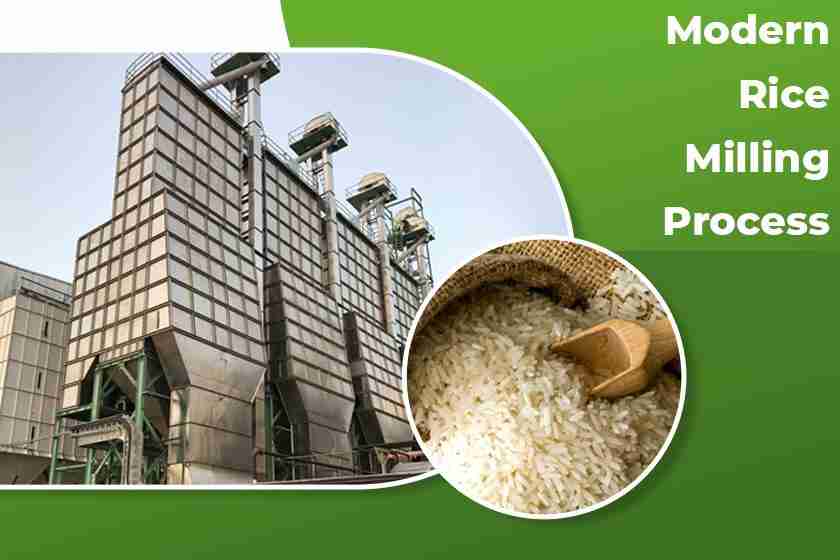
The Evolution of Rice Milling Technologies and Their Impact on Farmers
The journey of rice milling technology has seen remarkable changes over the centuries, redefining how farmers process their harvests. Traditional methods often relied on labor-intensive techniques, which were not only time-consuming but also required significant manpower and land for operation. As rice demand escalated with population growth, the advent of mechanization became inevitable. Innovations such as hand-operated hullers transitioned to larger, more efficient milling machines, which allowed for higher output and reduced physical strain on farmers. Today, the introduction of compact, mini milling machines is revolutionizing the industry yet again, offering an affordable and practical solution for smallholder farmers.
Mini milling machines are distinguished by their ability to combine multiple processing stages into a single, efficient unit. This integration minimizes the handling of rice grains and reduces loss, ultimately boosting yields. Key benefits include:
- Affordability: Accessible pricing allows even small farmers to invest in milling technology.
- Portability: Lightweight and easy to move, these machines enable processing closer to the farm.
- Energy Efficiency: Designed to consume less power, they are environmentally friendly alternatives to traditional machines.
As a result, farmers are increasingly empowered to produce higher quality rice, lessening their dependence on larger milling facilities and enhancing their economic resilience. In this evolving landscape, the integration of these advanced technologies into rural economies signals a promising shift toward sustainable agricultural practices.

Enhancing Efficiency with Mini Milling Machines in Rural Communities
In rural communities, the introduction of mini milling machines has revolutionized the way rice is processed, leading to remarkable gains in efficiency and productivity. Unlike traditional methods, which often require extensive labor and time, these compact machines streamline the milling process, allowing farmers to transform paddy into rice with minimal effort. The benefits are numerous:
- Reduced Labor Costs: Farmers can significantly decrease the number of workers needed for milling.
- Time Savings: Milling processes that once took hours can now be completed in a fraction of the time.
- Lower Energy Consumption: Mini milling machines are designed to be energy-efficient, reducing utility costs.
Furthermore, the compact design makes mini milling machines particularly well-suited for rural settings where space and resources may be limited. Their portability allows farmers to set up milling operations right at the harvest site, mitigating the challenges of transportation and storage. Additionally, many of these machines come equipped with features that enhance the quality of the milled rice, such as:
- Customizable Milling Settings: Farmers can adjust settings to achieve desired rice textures.
- Integrated Quality Control: Some models include built-in mechanisms to assess and maintain rice quality during milling.
- Durable Construction: Designed to withstand the rigors of rural environments, ensuring long-lasting use.
| Feature | Advantage |
|---|---|
| Compact Design | Space-saving, easy to transport |
| Energy-efficient | Reduced operational costs |
| Quality Control | Improved product consistency |

Adapting to Market Demands: The Economic Benefits of Small-Scale Milling
Small-scale milling operations have emerged as a transformative force in the agricultural landscape, aligning perfectly with the evolving demands of modern markets. As consumers increasingly seek locally-sourced, fresher products, mini milling machines enable farmers to process rice on-site, facilitating immediate access to high-quality rice. This shift from large-scale milling to localized processing not only enhances quality but also significantly reduces transportation costs and waste, allowing smallholders to optimize their profits. By embracing this technology, farmers can cater to niche markets that prioritize sustainability and traceability, thereby amplifying their economic returns.
The economic benefits of adopting small-scale milling extend beyond individual producers to the broader community. By increasing local processing capacity, rural economies can experience a revitalization in job creation and skills development, as more individuals are trained in milling technology and agricultural best practices. Additionally, small-scale milling fosters a sense of community, encouraging cooperation among farmers who can come together to invest in equipment and share the operational costs. The table below summarizes the key advantages of small-scale milling for farmers and their communities:
| Benefits | Impact |
|---|---|
| Reduced Transportation Costs | Lower expenses and smaller carbon footprint. |
| Enhanced Quality Control | Ability to deliver fresher, higher-quality products directly to local markets. |
| Job Creation | Increased employment opportunities in local milling businesses. |
| Community Collaboration | Farmers working together to drive collective growth and success. |
Sustainability in Rice Production: Reducing Waste and Maximizing Resources
As the demand for rice continues to rise globally, the need for sustainable farming practices has never been more pressing. The introduction of mini milling machines is a game-changer, enabling farmers to significantly reduce waste while maximizing their resources. These compact machines allow for on-site processing, which minimizes the transportation of harvested grains and reduces spoilage during transit. With the ability to grind rice efficiently, farmers can take full advantage of their harvest, transforming previously overlooked byproducts into valuable resources.
Moreover, the adoption of these innovative machines facilitates a more sustainable approach to rice production in several ways:
- Energy Efficiency: Mini milling machines are designed to consume less power compared to traditional milling units, resulting in lower energy costs.
- Waste Reduction: By processing rice on the farm, there’s less waste generated, as farmers can utilize husks and bran for animal feed or organic fertilizers.
- Local Employment: These machines create local jobs, as more labor is required for on-site milling, boosting the local economy.
- Improved Quality: Direct milling results in fresher, higher-quality rice, catering to market demand for premium products.
Table: Key Benefits of Mini Milling Machines in Rice Production
| Benefit | Description |
|---|---|
| Cost Savings | Reduction in transportation and energy costs. |
| Resourcefulness | Maximizes use of every part of the rice plant. |
| Environmental Impact | Lower carbon footprint through reduced processing emissions. |
Future Outlook
As we stand at the crossroads of tradition and innovation in rice production, the emergence of mini milling machines signals a transformative shift poised to redefine the landscape of agriculture. These compact titans of technology not only promise to increase efficiency and reduce waste but also empower smallholder farmers with the tools to elevate their craft. By embracing these advancements, we pave the way for a more sustainable and resilient food system, one that honors the heritage of rice cultivation while stepping boldly into the future.
In the intricate dance between the past and the present, mini milling machines emerge as catalysts for change, ensuring that the humble grain not only nourishes our bodies but also strengthens the communities that cultivate it. As we look ahead, it is crucial to support these innovations and understand their impact, fostering a future where every harvest tells a story of progress, prosperity, and promise.



