
In a world where grains serve as the cornerstone of food security and cultural identity, rice stands out as a staple that nourishes billions. Yet, behind the humble bowl of rice lies a complex journey of transformation, from golden paddy fields to perfectly polished grains ready for the dinner table. At the heart of this metamorphosis are rice processing machines—sophisticated marvels of engineering that streamline, refine, and enhance the production of one of humanity’s oldest crops. In this article, we invite you to embark on a thorough exploration of the fascinating world of rice processing technology. We’ll examine the innovative machines that revolutionize the way rice is harvested, milled, and packaged, uncovering the vital role they play in ensuring efficiency, quality, and sustainability in an ever-changing agricultural landscape. Prepare to delve deep into the mechanics of grain transformation and discover how technology and tradition meld to create the rice we cherish today.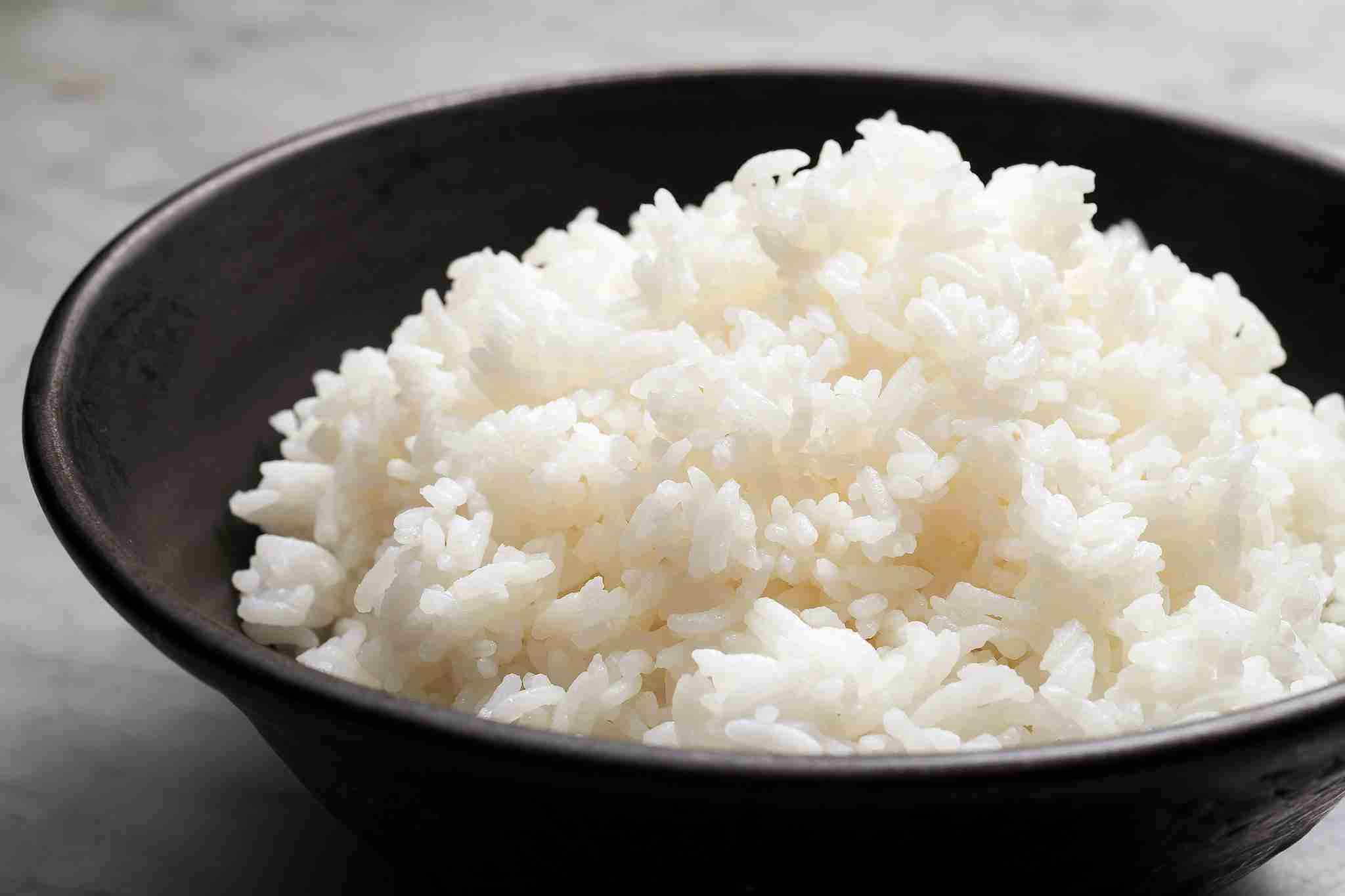
Understanding the Journey of Rice from Field to Plate
The journey of rice from the lush fields to our plates is a fascinating process that hinges on the efficiency of rice processing machines. These machines play a pivotal role in transforming harvested rice grains into the polished, ready-to-cook product we’re familiar with. The processing begins with paddy separation, where the harvested rice is expertly sifted to remove any foreign materials such as dirt and stones. This is followed by hulling, where the outer husk is removed, resulting in brown rice that’s rich in nutrients. Each machine is designed for a specific function, making the whole operation cost-effective and efficient, reducing manual labor and ensuring consistency in the product.
After the initial stages, the journey continues with milling, a crucial step where brown rice is further processed into white rice through polishing. Here, advanced machinery plays a significant role in achieving the desired texture and appearance. A careful balance of technology and precision is required in this step to maintain the integrity of the grain. The final phase involves grading and packaging, where the rice is sorted based on its quality and size. Only the finest grains make it to the shelves, ensuring that consumers receive rice that meets high standards. Today’s processing facilities often incorporate state-of-the-art technology, allowing for automation and real-time monitoring, which optimizes the entire operation and elevates the quality of the final product.
| Process | Function |
|---|---|
| Paddy Separation | Removes impurities from harvested grains |
| Hulling | Removes the husk |
| Milling | Processes brown rice into white rice |
| Grading & Packaging | Sorts and packages rice for consumers |

Exploring the Technology Behind Modern Rice Processing Machines
The evolution of rice processing machines has been instrumental in increasing efficiency and output in the agricultural sector. Advanced technology now plays a pivotal role in transforming raw paddy into high-quality rice ready for consumption. These machines employ multi-stage milling processes that ensure greater yield with minimal grain loss. Automation has enhanced the precision of each stage, from hulling and polishing to grading and packaging. With features like automated sensors and artificial intelligence, modern machines can adjust their operations based on real-time assessments, optimizing performance according to varying quality parameters.
Today’s rice processing equipment is not only about speed and efficiency; it also emphasizes sustainability and energy conservation. Many machines incorporate energy-efficient designs and eco-friendly materials, contributing to a reduction in the carbon footprint of rice milling operations. Among the noteworthy innovations are digital control systems that enable remote monitoring and diagnostics, allowing operators to intervene proactively and maintain output quality. The integration of these technologies within machines showcases a commitment to modern agricultural practices, ensuring that rice processing remains both productive and environmentally conscious.
| Feature | Benefit |
|---|---|
| Multi-stage milling | Increases yield and quality |
| Automated sensors | Real-time adjustments for optimal processing |
| Energy efficient designs | Reduces operational costs and environmental impact |
| Digital control systems | Remote monitoring enhances quality control |

Key Features to Consider When Choosing Rice Processing Equipment
When selecting rice processing equipment, efficiency stands out as a paramount consideration. Producers should evaluate machines based on their capacity to process rice quickly without compromising quality. Equipment that minimizes energy consumption while handling larger volumes not only boosts productivity but also contributes to cost savings. Additionally, technological advancements like automation and smart controls can enhance operational efficiency, allowing for real-time monitoring and adjustments to optimize performance.
Another critical factor is flexibility. The ideal rice processing machine should accommodate various rice types and processing requirements. Producers often deal with different rice varieties that may necessitate unique processing methods. Therefore, machines equipped with adjustable settings for milling, polishing, and grading can significantly enhance their utility. Consideration should also be given to the machine’s maintenance requirements; equipment that is easy to clean and maintain can lead to longer service life and consistent performance.
| Feature | Importance |
|---|---|
| Efficiency | Ensures high throughput and reduces operational costs. |
| Flexibility | Accommodates various rice types and processing methods. |
| Low Maintenance | Promotes longevity and reliability of the machinery. |
Best Practices for Optimizing Rice Processing and Quality Control
To achieve optimal results in rice processing, embracing a holistic approach that integrates technology, training, and best practices is crucial. The selection of the right machinery plays a pivotal role in ensuring efficiency while minimizing waste. Consider implementing the following strategies:
- Regular Maintenance: Schedule consistent inspections and servicing of equipment to reduce downtime and prolong machine life.
- Calibration: Ensure that all processing machines are routinely calibrated for precision in milling and sorting
- Quality Control Checks: Establish a protocol for regular quality checks, including moisture content and impurity levels.
Furthermore, investing in staff training cannot be overstated. Empowering operatives with knowledge about modern processing techniques can lead to significant improvements in workflow efficiency. Implementing a robust feedback system can also facilitate continuous improvement. Here are some essential elements to include in training programs:
- Machine Operation: Comprehensive training on how to operate machinery effectively while adhering to safety standards.
- Product Knowledge: Educate staff on rice varieties and their specific processing requirements.
- Data Analysis: Incorporate modules that teach employees how to analyze production data for better decision-making.
| Aspect | Best Practice | Benefit |
|---|---|---|
| Equipment | Regular Maintenance | Minimizes Downtime |
| Training | Comprehensive Employee Training | Enhanced Efficiency |
| Quality Assurance | Routine Quality Checks | Consistent Product Quality |
In Conclusion
As we draw the curtain on our exploration of rice processing machines and their transformative impact on grain production, we stand at the intersection of tradition and innovation. The journey from paddy to plate is a complex ballet of machinery, precision, and care, ensuring that each grain is not only a staple but a testament to technological advancement.
Whether it’s through the gentle husking of rice or the sophisticated polishing methods that bring out its shine, these machines are pivotal in enhancing both quality and efficiency. They embody the spirit of sustainability, as modern processing techniques not only meet rising global demands but also strive to minimize waste and optimize resources.
As we move forward in an era defined by rapid change, the future of rice processing promises further enhancements, driven by research and emerging technologies. For farmers, millers, and consumers alike, the story of rice is evolving, with machines transforming not just the grains themselves, but the entire landscape of food production.
In closing, may we appreciate the intricate dance of machinery that contributes to this essential grain’s journey and continue to support innovations that nourish us all. After all, every grain has a story; let us celebrate the process that brings those stories to our tables.



