
In a world where the journey of food from farm to fork often goes unnoticed, one humble staple shines brightly in its versatility and cultural significance: rice. This ancient grain, integral to the diets of billions, undergoes a fascinating metamorphosis from the sun-drenched fields to the bustling kitchen table. The process that transforms these golden grains into the fragrant, fluffy dish we cherish is a complex ballet of agricultural mastery, innovative processing techniques, and thoughtful culinary traditions. In this exploration of “Unveiling Rice Processing: From Field to Table Transformation,” we will embark on a journey through the stages of rice cultivation, harvesting, milling, and distribution, peeling back the layers of an often-overlooked industry. Join us as we discover not only the intricate methods that ensure quality and flavor but also the impactful stories that connect farmers and consumers in the global tapestry of food.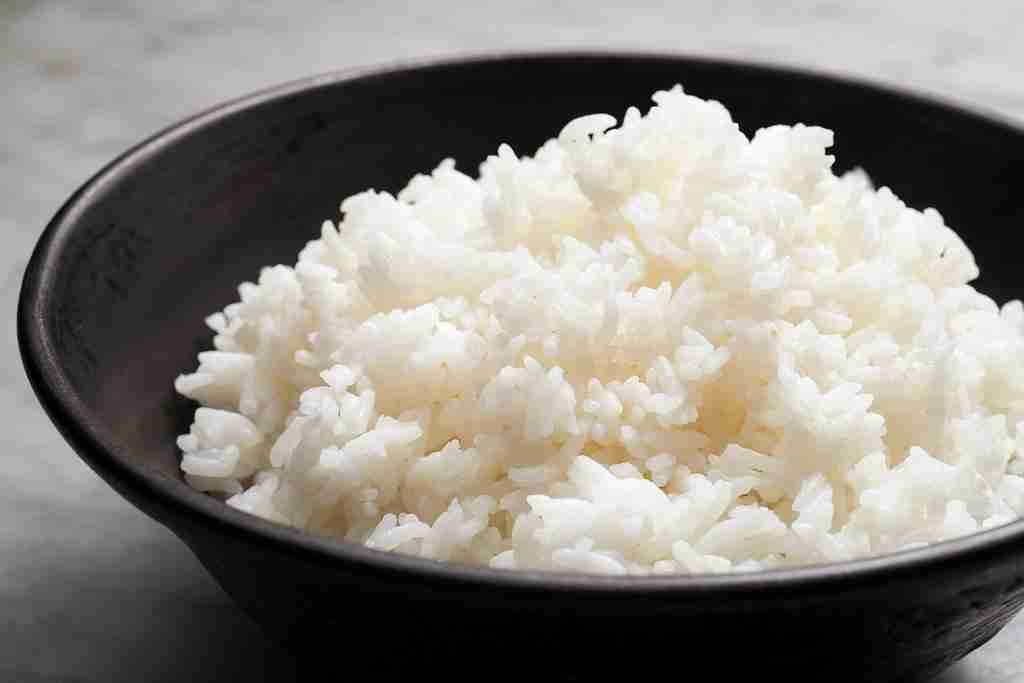
Understanding the Journey of Rice: From Harvest Techniques to Processing Innovations
The journey of rice begins on the fields, where careful planning and execution of harvest techniques set the foundation for quality produce. Various methods are employed based on the scale of farming and local traditions. Among these approaches, manual harvesting, where laborers cut stalks with sickles, still holds significance in many regions, particularly where small-scale farms prevail. Alternatively, mechanized harvesting has gained traction, improving efficiency and reducing labor costs. The selection of harvest time is crucial; farmers must monitor moisture levels and consider weather patterns to ensure the grains are collected at their peak condition.
Once harvested, the transformation of rice continues with innovative processing methods that enhance quality and shelf life. Post-harvest processing involves several steps that include drying, milling, and packaging. Drying reduces moisture content, preventing spoilage and molding. Milling removes the husk and bran layers to produce white rice, while producers increasingly explore brown rice options for health-conscious consumers. Advances in technology have also introduced parboiling, which retains nutrients and improves cooking quality, making it a preferred choice for many. The final stage, packaging, plays a vital role in maintaining freshness and appealing to a broad audience, with designs that reflect cultural nuances and sustainability trends.

Nurturing Quality: The Role of Technology in Modern Rice Milling
The integration of technology in modern rice milling has revolutionized the quality of the final product, ensuring that from field to table, every grain meets high standards of excellence. Modern milling systems are equipped with advanced sensors and automated controls that monitor moisture content, grain hardness, and even environmental conditions, which helps in making real-time adjustments during the milling process. This meticulous approach not only enhances the quality of rice but also minimizes waste and maximizes the nutritional value, providing consumers with a product that reflects both care and innovation.
Additionally, the use of data analytics in rice milling allows millers to gain valuable insights into operational efficiency and product quality. By analyzing patterns in production, millers can fine-tune their processes to achieve optimal results. Key benefits of this technological infusion include:
- Improved husking efficiency – Reducing broken grains and ensuring a higher yield.
- Enhanced sorting technology – Utilizing color and infrared sensors to separate high-quality grains.
- Automation of processes – Minimizing human error and increasing productivity.
| Technology | Impact |
|---|---|
| Automated Milling Machines | Consistent quality and reduced labor needs |
| Moisture Meters | Accurate moisture measurement to prevent spoilage |
| Computerized Control Systems | Real-time processing adjustments for better quality |
Beyond the Grain: Exploring Nutritional Enhancements and Culinary Uses
As we delve deeper into the nexus of rice processing, it becomes evident that this staple grain holds untapped nutritional potential. Modern practices are continuously evolving to enhance its health benefits. Techniques such as fortification with vitamins and minerals, germination to boost antioxidant levels, and the use of biofortified varieties can significantly increase rice’s nutritional profile. By leveraging these methods, consumers can transform a simple bowl of rice into a powerhouse of essential nutrients that supports overall wellness. Furthermore, innovative companies are now exploring the addition of elements like omega-3 fatty acids and resistant starch to help combat dietary deficiencies.
In the culinary realm, rice is more than just a side dish; its versatility has led to a burgeoning trend of gourmet applications. Chefs worldwide are experimenting with rice in unexpected forms, creating items such as:
- Rice flour for gluten-free baking
- Rice noodles as a base for Asian delicacies
- Risotto showcasing creamy textures and savory flavors
- Sushi bringing a burst of creativity and culture to the table
Moreover, the integration of flavored and infused rices, such as saffron or turmeric, injects new life into traditional dishes, turning them into culinary masterpieces. Not only does this broaden the appeal of rice across different cultures, but it also stimulates a more adventurous approach to meal preparation, encouraging consumers to explore the grain’s full potential.
Sustainable Practices in Rice Processing: Balancing Efficiency with Environmental Responsibility
In the quest for more eco-friendly rice processing methods, industry players are innovating to strike a balance between productivity and environmental stewardship. Techniques such as water management, energy efficiency, and waste minimization are gaining prominence. For instance, the adoption of closed-loop water systems not only conserves water but also reduces contamination risks associated with traditional practices. Similarly, advancements in energy-efficient machinery contribute to lower carbon emissions and operational costs while maintaining high processing standards. By investing in renewable energy sources and optimizing processing cycles, processors can enhance their overall sustainability profile.
The integration of organic practices into rice processing can also yield significant benefits. Some processors are exploring the adoption of agricultural by-products such as rice husks and straw as alternative energy sources or materials for biodegradable packaging. These shifts not only pivot the industry towards greener operations but also foster community relationships by providing additional revenue streams for local farmers. Here’s a quick overview of some sustainable practices being adopted:
| Practice | Benefits |
|---|---|
| Water Recycling | Reduces water use, Prevents effluent discharge |
| Energy-efficient Machinery | Decreases energy consumption, Lowers emissions |
| Utilization of By-products | Creates alternative energy sources, Reduces waste |
These initiatives not only elevate operational efficiency but also position rice processors as responsible stewards of the environment. Engaging in sustainable practices is becoming essential in a market increasingly influenced by consumer demand for ethically produced food. By embracing innovation and environmental responsibility, the rice processing sector can contribute to a more sustainable food system while ensuring profitability and resilience in an ever-evolving landscape.
Future Outlook
As we draw the curtain on our exploration of rice processing—this intricate journey from field to table—we find ourselves reflecting on the remarkable transformation that this humble grain undergoes. It is a story of nature and nurture, of technology and tradition, woven together through centuries of agricultural wisdom and innovation.
From the sun-drenched paddies where the grains begin their life, to the meticulous processes in milling and packaging, each step is a testament to human ingenuity and a deep respect for the earth. Understanding these processes not only enhances our appreciation for this staple food but also reinforces the vital connection between farmers, manufacturers, and consumers.
As you savor your next bowl of rice, perhaps you’ll think of the hands that nurtured it and the journey it has taken to reach your table. In a world that often feels distant from its food sources, let’s celebrate the story behind our meals, recognizing that every grain carries with it a legacy of culture, community, and care. Thank you for joining us on this enlightening voyage through the world of rice processing. May it inspire thoughtful choices and a deeper connection to the food we cherish.




