
Unlocking the Grain: A Journey Through Rice Processing
Rice, often referred to as the staple of life, is more than just a meal on our plates; it is a testament to the enduring relationship between humans and the land. Unveiling the story of this humble grain takes us on a fascinating journey, from the lush, green fields where it is grown to the intricate processes that transform it into the polished grains we recognize. In “Unlocking the Grain,” we delve deep into the world of rice processing, exploring the artistry and science behind each step—from harvesting and milling to packaging and distribution. As we navigate this complex journey, we will uncover not only the methods that make rice a global staple but also the cultural significance it holds across various societies. Join us as we unravel the layers of rice processing and evoke a deeper appreciation for the grain that nourishes billions around the globe.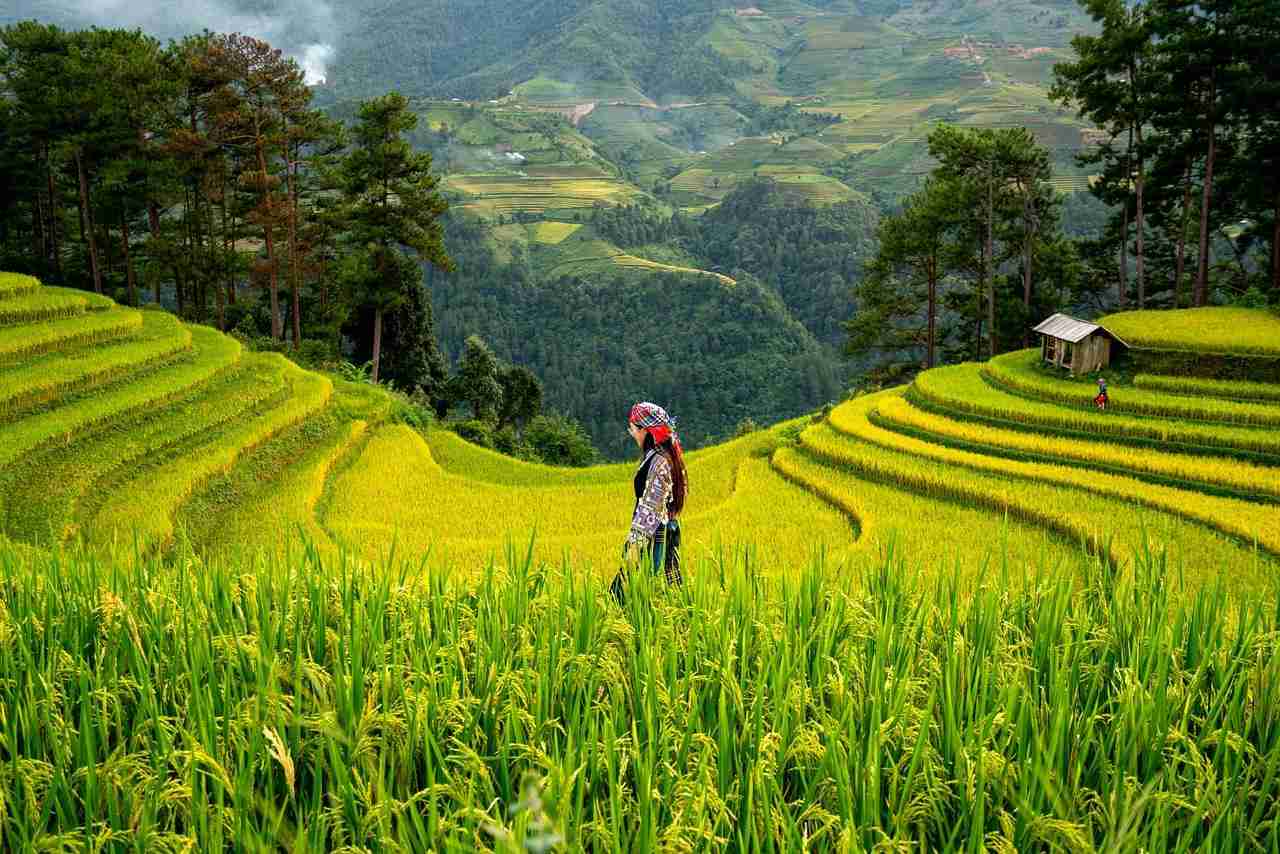
Exploring the Journey from Paddy to Plate
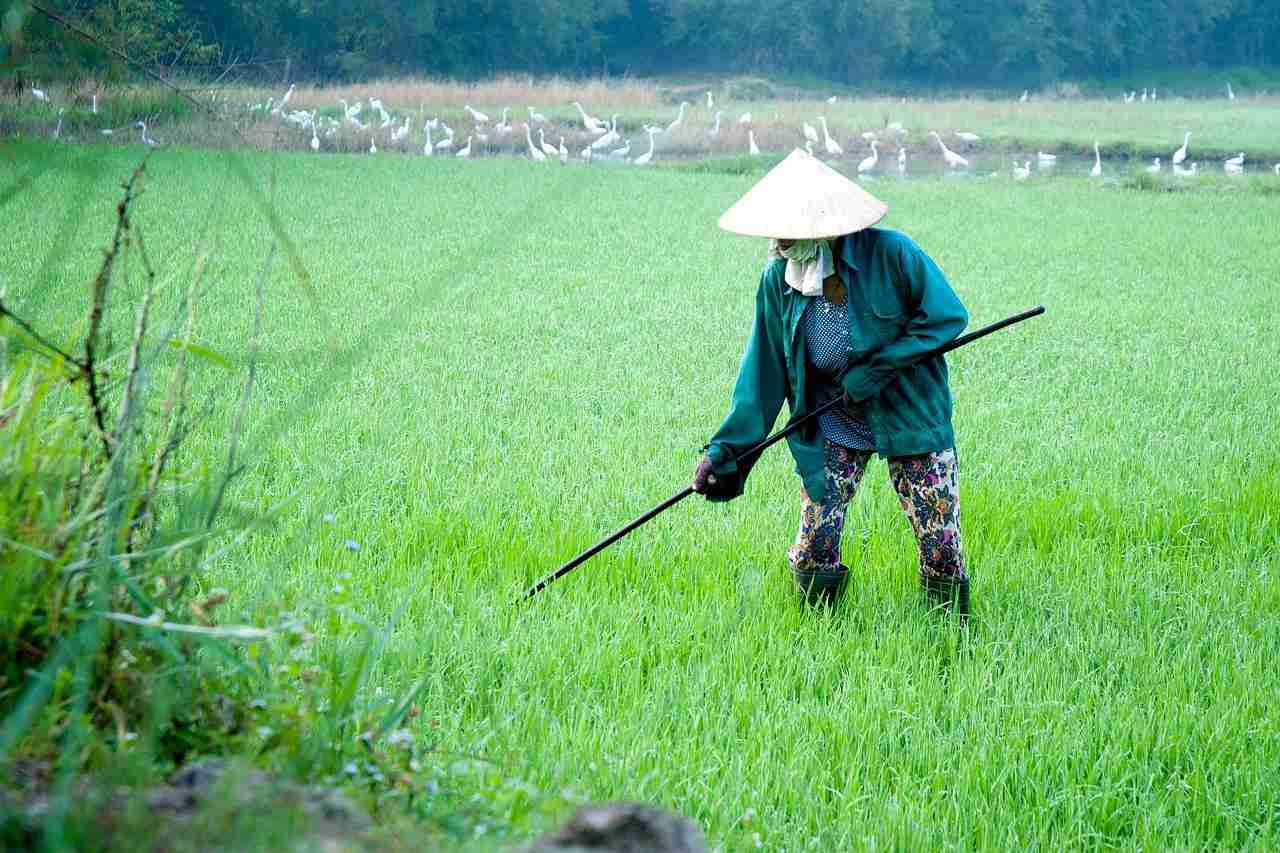
From the lush green paddies to the steaming bowl on your dining table, the transformation of rice is a fascinating odyssey. Cultivating rice begins with nurturing young seedlings in flooded fields, where they absorb the sun’s warmth and nutrient-rich water. Once the plants grow tall, it’s time for the harvest. Using traditional or modern machinery, farmers carefully cut the ripe stalks, a process that evokes age-old customs and wisdom. Following harvest, the rice enters a meticulous journey through several stages, including:
- threshing: separating the grains from the stalks.
- drying: removing moisture to prevent spoilage.
- milling: polishing the grains to achieve the desired texture.
After these key steps, rice undergoes further processing, where it may be parboiled to lock in nutrients or fortified for added health benefits. The grains are graded for quality, ensuring that only the best reach consumers. Packaging follows, highlighting the journey of the rice with eco-friendly materials designed to protect freshness. This entire process culminates in a delightful culinary experience, ready to be enjoyed in various dishes, making rice not just a staple food but a global connector of cultures. Below is a brief overview of the basic steps involved in this transformation:
| Processing Stage | Description |
|---|---|
| Harvest | Collection of mature rice plants. |
| Threshed | Seeds are separated from the plants. |
| Drying | Decreasing moisture content for preservation. |
| Milling | Polishing and refining the rice grains. |
| Packaging | Sealing the rice for distribution. |
Understanding the Techniques of Rice Milling and Parboiling
Rice milling and parboiling are intricate processes that transform raw paddy into the polished grains enjoyed on plates across the world. The milling process begins with the careful selection of high-quality paddy, which is then cleaned to remove impurities. Husking is the first major step, where the outer husk is separated from the grain using a huller. This is followed by polishing, which refines the rice, enhancing its aesthetic appeal and shelf life. The process can involve various techniques such as whitening and the use of different types of milling machines, each contributing to the texture and appearance of the final product.
On the other side of the spectrum lies parboiling, a technique that enhances the nutritional profile and flavor of rice. This involves soaking the paddy in water, followed by steaming and drying, which helps to retain essential nutrients that might otherwise be lost during milling. The parboiling process can be broken down into three distinct phases: soaking, steaming, and drying. This technique not only fortifies the rice but also minimizes breakage during milling, thereby maximizing yield. Below is a brief overview of the benefits of parboiled rice:
| Benefit | Description |
|---|---|
| Nutritional Retention | The steaming process helps to retain vitamins and minerals. |
| Reduced Cooking Time | Parboiled rice cooks faster than regular white rice. |
| Enhanced Texture | Results in firmer grains that are less sticky. |
| Improved Shelf Life | Better resistance to spoilage and pests. |
Nutritional Benefits and Culinary Versatility of Processed Rice
Processed rice, often attributed to its broader culinary applications, also possesses a myriad of nutritional benefits that go beyond the mere grains. Whole grain varieties, like brown rice and wild rice, retain their bran and germ layers, offering significant fiber content, essential for digestive health. Furthermore, these types of rice are rich in minerals such as magnesium, phosphorus, and potassium, which are vital for heart health and bone density. Additionally, these nutrient-dense grains can have a lower glycemic index compared to their white counterparts, making them a preferable choice for those managing blood sugar levels.
The culinary versatility of processed rice allows it to adapt seamlessly into various cuisines and cooking methods. Whether used as a main dish, side, or even dessert, its capacity to absorb flavors makes it an integral ingredient in countless recipes. Here are some popular ways processed rice can be enjoyed:
- Risottos: Creamy, rich dishes that showcase rice’s ability to soak up flavors.
- Sushi: Sticky rice varieties that hold together beautifully.
- Rice Puddings: Sweet variations perfect for dessert.
- Fried Rice: A delicious way to use leftovers and add enticing flavors.
| Nutrient | Brown Rice | White Rice |
|---|---|---|
| Fiber (g) | 3.5 | 0.6 |
| Magnesium (mg) | 84 | 12 |
| Iron (mg) | 0.8 | 1.2 |
Sustainable Practices in Rice Production and Processing
In the expansive world of rice production, innovative endeavors are reshaping agricultural practices to prioritize environmental health and resource efficiency. Farmers are increasingly implementing a variety of sustainable techniques that not only optimize yield but also preserve the ecosystem. Key methods include:
- Crop Rotation: Introducing diverse crops into the farming schedule helps restore soil nutrients and reduce pest populations.
- Water Management: Utilizing alternate wetting and drying (AWD) practices minimizes water consumption and lowers methane emissions.
- Organic Fertilization: Incorporating organic matter, such as compost or green manure, enhances soil fertility without the adverse effects of synthetic fertilizers.
On the processing end, sustainable practices further extend their reach through energy-efficient technologies and waste minimization strategies. Upgrading machinery to minimize energy consumption and transitioning to renewable energy sources play crucial roles in reducing the carbon footprint of rice processing facilities. Additionally, initiatives such as:
- By-product Utilization: Transforming husks and bran into biofuel or animal feed maximizes resource utilization and minimizes waste.
- Water Residue Treatment: Advanced filtration systems ensure that water is treated and recycled, lessening environmental impacts.
| Practice | Impact |
|---|---|
| Crop Rotation | Increased soil health |
| AWD Water Management | Reduced water usage |
| Organic Fertilization | Enhanced nutrient retention |
| By-product Utilization | Minimized waste output |
Concluding Remarks
As we conclude our exploration of rice processing, we find ourselves at a fascinating intersection of tradition and innovation. From the sun-drenched paddies where this staple begins its life, to the intricate machinery that refines it for our tables, the journey of rice is emblematic of a larger story—one of culture, sustainability, and the relentless quest for improvement. Each step in the processing chain embodies not just the science of agricultural efficiency, but also the artistry of nurturing a vital food source that sustains billions worldwide.
As we unlock the grain, we see how crucial it is to understand the nuances of this process, echoing the diversity of rice itself—varieties, textures, and flavors that span continents. With every grain we consume, we partake in a history that is rich and layered, a testament to ingenuity in meeting the challenges of feeding a growing population while respecting the environment.
In a world increasingly conscious of food origins and production practices, our journey reminds us that every bowl of rice tells a story. It invites us to appreciate the hands that cultivate, harvest, and process it. As we move forward, let us carry this understanding with us, celebrating the complexity of rice as more than just a staple, but as a symbol of our shared human experience in its many forms. Whether in a small kitchen or large scale, let’s continue to unlock the potential of this remarkable grain, nourishing both body and soul in the process.




