Unlocking rice: The Journey Through a Processing Plant
In the heart of every meal lies a staple that has nourished civilizations for millennia: rice. This seemingly simple grain, cherished in cuisines around the world, embarks on an intricate journey from paddy fields to our plates. While we often take its presence for granted, the transformation of rice is a fascinating process that merges agricultural wisdom with modern technology. This article invites you to explore the inner workings of a rice processing plant—a world where the unassuming grain is meticulously cleaned, hulled, milled, and packaged. As we peel back the layers of this essential food, we uncover not only the artistry involved in its processing but also the dedication of those who work tirelessly to ensure that every grain is unlocked and ready for consumption. Join us as we delve into the journey of rice, from its beginnings amidst verdant fields to its final destination, prepared to bring comfort and sustenance to tables around the globe.
Understanding the Complexities of Rice Processing
The journey of rice from field to table is a meticulously orchestrated process involving several stages that transform raw paddy into the polished grain we commonly consume. The intricacies begin with harvesting, where ripe rice grains are gathered, and continue through several key steps in a processing plant. during dehusking, outer husks are removed to reveal the brown rice beneath. This initial removal is essential,as it sets the foundation for further refinement.Following this, the brown rice undergoes a process called milling, where it is indeed polished to remove bran layers, enhancing its visual appeal and digestibility. Interestingly, this milling stage can also yield by-products that serve important roles in the agricultural and food industries.
As the rice continues its journey, additional stages such as grading and packaging come into play. In the grading process, rice is sorted based on size, color, and quality to ensure consistency in what reaches consumers. Techniques like sieving and air classification are employed to remove impurities and substandard grains. in the packaging phase, the rice is prepared for distribution, frequently enough in eco-pleasant materials that maintain freshness while minimizing environmental impact.Understanding these complexities not only sheds light on the effort put into rice processing but also emphasizes the importance of quality control at every stage of production.
| Processing Stage | Description |
|---|---|
| Harvesting | Collecting ripe rice grains from the fields. |
| Dehusking | Removing the outer husks to reveal brown rice. |
| Milling | Polishing brown rice for aesthetic and digestibility. |
| Grading | Sorting rice by size,color,and quality. |
| Packaging | Preparing rice for distribution in eco-friendly materials. |

the Essential Steps in Transforming Paddy into Edible Rice
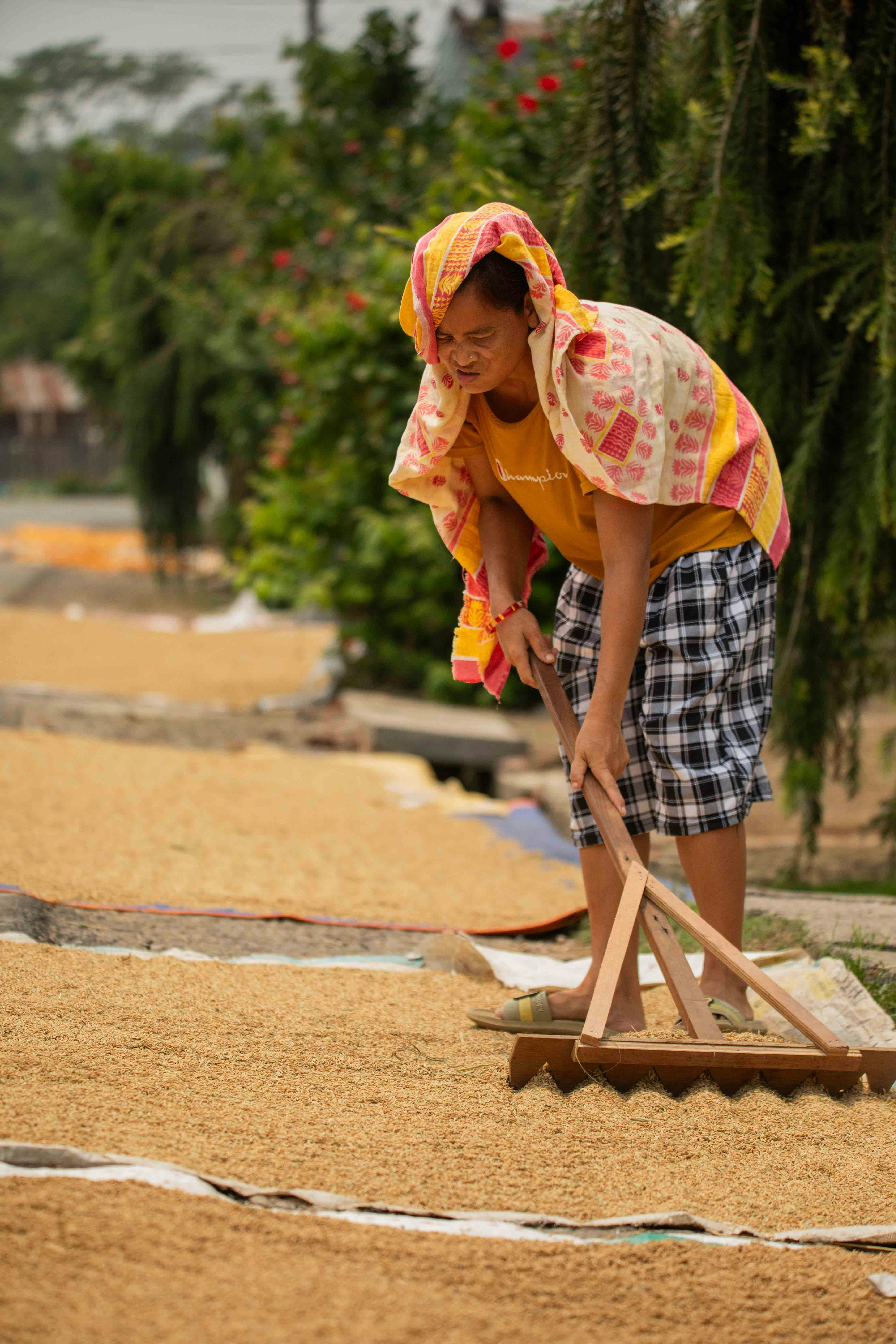
Transforming paddy into rice is an intricate journey that unfolds within the bustling walls of a processing plant. The first crucial step is threshing, where harvested paddy is subjected to mechanical separation, dislodging the grains from their protective husks.Once the grains have been freed, they undergo a rigorous cleaning process to eliminate impurities such as dirt, stones, and damaged grains. This cleaning lays the foundation for quality, ensuring that only the finest grains proceed through the line. Afterward, the cleaned rice takes its turn at the drying stage, where moisture content is carefully adjusted to prevent spoilage during storage.proper drying is essential, as it preserves the grains’ integrity and enhances their shelf life.
Once dried, the next step is milling, a process that transforms the rough, brown rice into polished, white rice that consumers are familiar with.This involves removing the outer husk and bran layers, revealing the white inner grain. Post-milling, the rice undergoes grading, where it is sorted by size and quality. The final touch in this intricate transformation is packaging, where the rice is carefully bagged to protect it during transportation and storage. In a modern processing plant, efficiency and quality control go hand in hand, ensuring that every grain of rice that reaches consumers’ tables meets the highest standards.
Innovative Technologies Revolutionizing Rice Milling
In the dynamic world of rice milling, cutting-edge technologies are pushing the boundaries of efficiency and quality. Automation has become a cornerstone in modern rice processing plants, enabling seamless control over various stages of milling. With the integration of IoT (Internet of Things), machines equipped with sensors can monitor temperature and moisture levels in real-time, ensuring optimal conditions that preserve the grain quality. Other notable innovations include digital sorting technologies that utilize advanced algorithms to identify and eliminate impurities, enhancing the purity of the final product while reducing waste in the process.
Moreover, the emergence of energy-efficient machinery has significantly reduced the environmental impact of rice milling operations.Utilizing renewable energy sources, such as solar and biomass, rice mills can now operate sustainably while cutting costs. In addition, advances in biotechnology and genetic engineering are paving the way for more resilient rice varieties, which thrive under diverse climatic conditions, further boosting production. Embracing these revolutionary technologies helps rice milling businesses not only meet global demand but also raise standards in safety and sustainability.
| Technology | Benefits |
|---|---|
| Automation | Increased efficiency, reduced labor costs |
| IoT Sensors | Real-time monitoring, quality control |
| Energy-efficient machinery | Lower operational costs, reduced carbon footprint |
| Biotechnology | Improved crop resilience, higher yields |
Sustainability Practices in Rice Processing Facilities
Sustainability in rice processing is not merely a trend, but a necessity that governs modern facility operations. Adopting eco-friendly practices ensures that the environmental impact is minimized while maximizing productivity.Key practices include:
- Water Conservation: Employing closed-loop systems to recycle water used during milling.
- Energy Efficiency: Utilizing renewable energy sources such as solar panels for power needs.
- Waste Management: Converting husks and other by-products into bioenergy or organic fertilizers.
- Sourcing Locally: reducing carbon footprint by sourcing raw materials from nearby farms.
Along with these practices,many facilities are now implementing innovative technologies to further enhance sustainability. As a notable exmaple, precision milling equipment can significantly reduce grain loss, ensuring that every kernel is accounted for. Moreover, investing in smart technology allows operators to monitor energy consumption in real-time, leading to immediate adjustments and reduced waste. The following table showcases a comparison of customary versus sustainable processing methods:
| Aspect | Traditional Methods | Sustainable Practices |
|---|---|---|
| Water Usage | High | Minimal, with recycling |
| energy Source | Fossil Fuels | Renewable Energy |
| Waste Disposal | Landfill | Bioenergy & Fertilizers |
Key Takeaways
As we conclude our journey through the intricate world of rice processing, we’re left with a deeper appreciation for the grain that nourishes billions. From the fields where lush green paddy sways in the breeze to the bustling processing plants where technology meets tradition,the journey of rice is a testament to human ingenuity and agricultural resilience. Each step, from husking to polishing, unveils not just a product, but a rich tapestry of cultural importance and economic vitality.
Our exploration sheds light on the often unseen efforts that transform raw rice into a staple on our dinner tables, reminding us that behind every grain lies a story of labor, innovation, and dedication. as we savor our next bowl of rice, let it serve as a reminder of the complex and fascinating journey it undertook to reach us. In a world increasingly focused on sustainability and efficiency, the rice processing plant stands as a beacon of the balance between nature and technology, highlighting a path forward for food production.So, the next time you sit down for a meal, take a moment to appreciate the journey – for in every grain of rice, a whole world awaits.