
Unlocking Quality: The Journey of Parboiled Rice Processing
In the heart of bustling fields where golden grains sway gently in the wind, the journey of parboiled rice begins. This age-old staple, cherished across cultures and cuisines, undergoes a transformative process that enhances not only its flavor and nutritional value but also its texture and cooking characteristics. As we delve into the intricate world of parboiled rice processing, we discover a delicate interplay of science and tradition, where each step—steaming, drying, and milling—plays a pivotal role in unlocking the true potential of this humble grain. Join us as we explore the meticulous journey from paddy to plate, unveiling the secrets behind a product that has nourished generations and continues to be a cornerstone of global diets.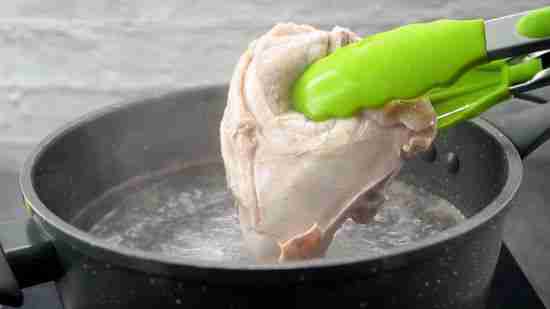
Exploring the Science Behind Parboiling Rice Quality
Delving into the intricate process of parboiling rice reveals a fascinating interplay of physics and chemistry that significantly enhances the quality of this staple food. During parboiling, raw rice undergoes a unique hydration process, where it is soaked in water and then steamed at high temperatures. This method not only sterilizes the rice but also initiates the gelatinization of starches, which transforms the texture of the grains, making them firmer and less prone to breakage during cooking. The heat also leads to a reaction between the proteins and carbohydrates, resulting in improved nutritional value and a delightful taste profile. Furthermore, the parboiling process can enhance the color and aroma of the rice, providing an overall sensory experience that is often sought after in culinary traditions around the world.
The benefits of parboiling rice are evident in its post-cooking qualities and overall storage life. When comparing parboiled rice to its unprocessed counterpart, one can pinpoint several advantages:
- Superior Texture: Parboiled rice retains its shape better, resulting in fluffy, distinct grains.
- Enhanced Nutrition: The process helps retain essential vitamins and minerals, especially B vitamins, which can be lost in regular milling.
- Extended Shelf Life: Parboiling reduces the moisture content, making the rice less susceptible to spoilage.
Here’s a brief overview highlighting these qualities:
| Characteristic | Parboiled Rice | Unprocessed Rice |
|---|---|---|
| Texture | Fluffy, separate grains | Softer, stickier texture |
| Nutritional Value | Higher vitamins and minerals | Lower retention |
| Shelf Life | Longer, more durable | Shorter, more risk of spoilage |
Through this meticulous process, parboiling not only preserves the integrity of the rice grains but also transforms them into a versatile ingredient that can elevate various culinary creations, bringing together science and gastronomy in a harmonious blend.
Essential Steps in the Parboiled Rice Production Process
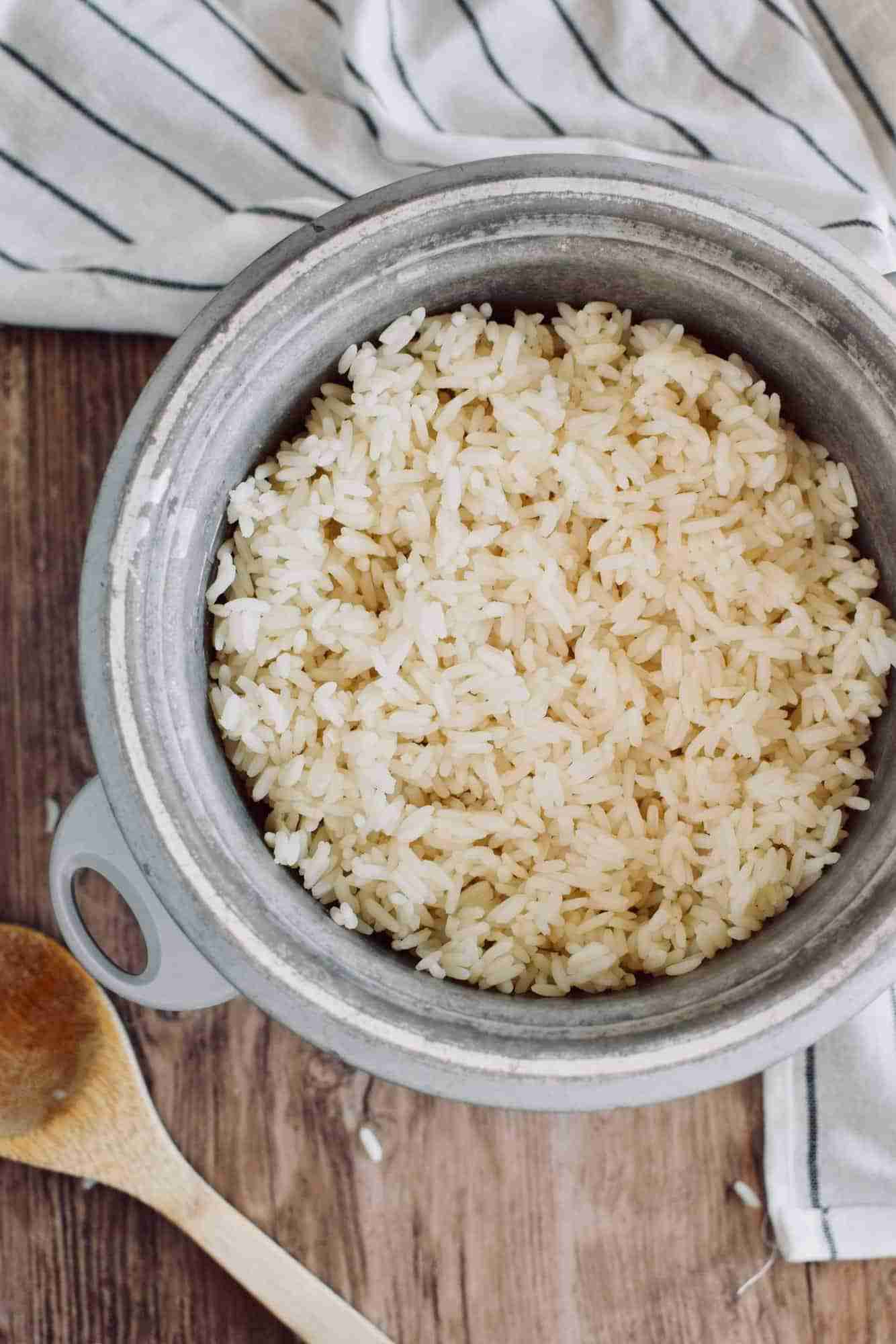
Embarking on the journey of parboiled rice production involves a symphony of steps that elevate the grain from its raw state to a culinary delight. The process begins with soaking, where paddy is submerged in water, allowing the rice grains to absorb moisture, which is essential for the subsequent stages. This soaking phase is crucial as it softens the bran layer, prepping the grains for the next big transformation. Following that, the soaked rice undergoes steaming, a method that hones in on preserving nutrients while infusing a subtle flavor. This step is pivotal, ensuring the texture remains firm while offering a distinct taste that sets parboiled rice apart from regular white rice.
After steaming, the paddy goes through the drying phase, a critical step where the moisture content is carefully balanced to achieve the right level for milling. Controlled drying not only facilitates easier milling but also prevents spoilage during storage. Next on the journey is the milling process, which involves husking and whitening the grains without compromising their innate quality. This final stage births the parboiled rice, ready to be packaged. Each grain, now a testament to meticulous processing, is put through quality checks to ensure it meets the highest standards before it finds its way to kitchens around the world.
Enhancing Nutritional Value: The Benefits of Parboiled Rice
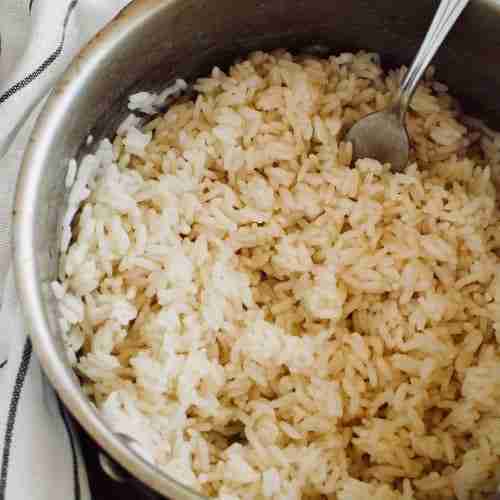
Parboiled rice offers a wealth of nutritional advantages, elevating it above traditionally processed rice options. Through its unique steaming and drying process, the grains retain more vital nutrients, making them a healthier choice. This process unlocks essential minerals like magnesium and potassium, aids in digestion, and enhances the overall glycemic index. Compared to white rice, parboiled rice retains a higher proportion of fiber, which is vital for maintaining digestive health and reducing the risk of chronic diseases.
Additionally, the enhanced cooking properties of parboiled rice make it a convenient addition to various dishes. The grains become firmer and less sticky during cooking, which not only improves texture but also helps to prevent clumping. This makes parboiled rice a versatile player in the kitchen, suitable for everything from stir-fries to salads. Key benefits include:
- Improved Nutritional Content: Higher fiber content and essential nutrients.
- Healthier Cooking Option: Lower glycemic index than regular white rice.
- Better Cooking Characteristics: Non-sticky and firm when cooked.
Sustainable Practices in Parboiled Rice Processing for Quality Assurance
In the journey toward premium parboiled rice, implementing eco-friendly techniques is vital. Embracing sustainable practices not only enhances the quality of the rice but also minimizes environmental impact. Key methods include:
- Water Conservation: Utilizing advanced irrigation systems to reduce water usage during soaking and steaming processes.
- Energy Efficiency: Transitioning to solar-powered drying facilities that lower carbon emissions and reduce energy costs.
- Waste Management: Converting rice husks into biofuel, thus ensuring that byproducts are used sustainably.
Additionally, ensuring consistent quality during processing can be achieved through strict adherence to health and safety standards. Regular monitoring and adopting organic pest control methods are also crucial in maintaining the integrity of the grains. A closer look at the ratio of sustainable inputs to outputs can provide insights into long-term viability:
| Sustainable Input | Output Quality |
|---|---|
| 100% Organic Fertilizer | Higher nutritional quality of rice |
| Eco-friendly Processing Techniques | Improved taste and texture |
| Efficient Water Usage | Better yield and lower waste |
Concluding Remarks
As we draw the curtain on our exploration of “Unlocking Quality: The Journey of Parboiled Rice Processing,” it becomes evident that the pathway from paddy to plate is intricately woven with science, tradition, and innovation. The methods employed in parboiling not only enhance the nutritional profile of rice but also preserve its taste and texture, enriching the culinary experiences of countless households around the globe.
This journey, steeped in cultural significance and practical benefits, highlights the profound impact of processing techniques on food quality and sustainability. Each grain tells a story of careful cultivation, meticulous processing, and the endless pursuit of excellence.
In a world increasingly focused on the quality of what we consume, understanding the transformation of parboiled rice serves as a crucial reminder of the intricate connections between agriculture, technology, and our health. As we reflect on this journey, let us continue to appreciate and advocate for the quality in our food sources, ensuring a more nourishing future for generations to come.




