
Unlocking Potential: The Journey of Parboiled Rice Processing
In a world where culinary traditions and food science intertwine, the humble grain of rice stands as a testament to resilience and innovation. Among the various forms of this staple, parboiled rice emerges as a unique contender, offering a blend of convenience, nutrition, and flavor that meets the demands of modern kitchens while honoring age-old practices. This article embarks on a journey through the intricate process of parboiling—an age-old method that transforms raw rice into a remarkable ingredient. From the moment rice is harvested to its steaming final moments in your pot, we will explore the meticulous steps that unlock its potential, revealing how traditional techniques harmonize with contemporary needs. Join us as we delve into the science, sustainability, and cultural significance behind parboiled rice, uncovering the layers of history and innovation that make this grain a vital player in global cuisine.
Exploring the Science Behind Parboiled Rice Processing
Parboiled rice processing is a fascinating intersection of science and tradition that transforms raw rice into a nutritious and versatile staple. The process typically begins with soaking the rice grains in warm water, followed by steaming them at high temperatures. This crucial step serves multiple purposes: it initiates the gelatinization of starches, enhances the grain’s nutritional profile by allowing vitamins and minerals to migrate from the husk into the kernel, and improves the overall texture of the rice. The steamed rice is then dried, allowing it to maintain its structural integrity during the milling process.
Moreover, the unique processing method imparts a distinct flavor and aroma that set parboiled rice apart from its counterparts. Once the rice has been milled, it attains a slightly yellow hue, indicative of the nutrient retention achieved through parboiling. This processing method also provides increased resilience against cooking mishaps, resulting in separate, non-sticky grains that stand out on the plate. The added benefits of parboiled rice are numerous, making it not only a staple in various culinary traditions worldwide but also a healthier choice for those looking to unlock the potential of their meals.
Understanding the Nutritional Benefits of Parboiled Rice
Parboiled rice is not just a staple in many cuisines; it also packs a punch when it comes to nutritional benefits. The process of parboiling involves soaking, steaming, and drying the rice before milling, which helps preserve essential nutrients. This method contributes to higher levels of vitamins and minerals compared to regular white rice. Notably, parboiled rice retains significant amounts of thiamine, niacin, and iron, all critical for maintaining a balanced diet. Additionally, the steaming process reduces the glycemic index, making it a better option for those managing blood sugar levels.
The nutritional profile of parboiled rice also extends to its fiber content. This whole grain variant is rich in dietary fiber, which promotes digestive health and aids in maintaining a healthy weight. The benefits can be summarized effectively:
| Nutritional Component | Benefit |
|---|---|
| Thiamine | Supports energy metabolism |
| Niacin | Promotes healthy skin and nervous system |
| Iron | Essential for oxygen transport in blood |
| Fiber | Aids digestion and weight management |
With such a rich reservoir of nutrients, incorporating parboiled rice into meals can significantly enhance overall dietary diversity. It serves as a nourishing base for a wide range of dishes while providing the body with essential energy and nutrients to support daily activities. Whether enjoyed in a hearty curry or as a side dish to grilled vegetables, parboiled rice stands out as a wholesome choice in today’s culinary landscape.
Innovative Techniques for Enhancing Quality and Flavor
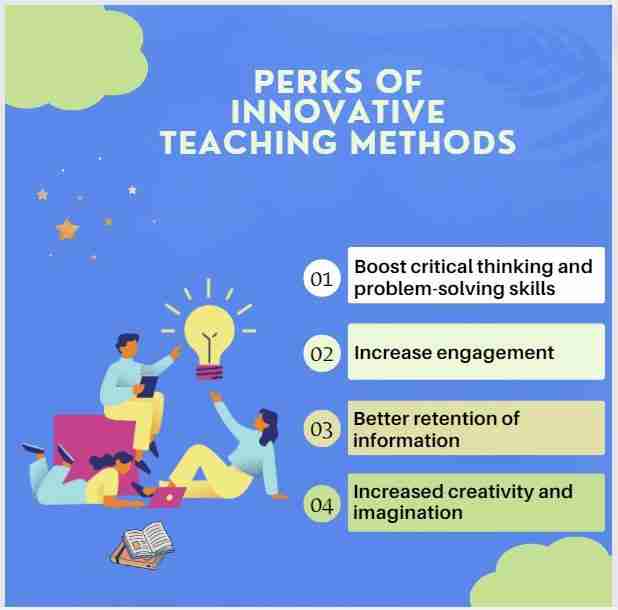
In the evolving landscape of rice processing, innovative methodologies are paving the way for enhanced quality and flavor profiles. Techniques such as steaming under pressure and controlled hydration are becoming popular for their ability to infuse rice grains with moisture while preserving essential nutrients. These methods not only improve the texture and taste of parboiled rice but also significantly reduce cooking times, making homes and restaurants alike more efficient in meal preparation. By adopting a scientific approach to rice processing, manufacturers can ensure that their products meet the growing consumer demand for health-oriented and flavorful options.
Additionally, advancements in post-harvest technology offer exciting opportunities for the development of unique rice varietals that cater to diverse culinary traditions. Techniques such as fermentation and infusion open doors to flavor-enhanced parboiled rice that can complement a wide array of dishes. Consider the following benefits derived from such innovative practices:
- Flavor Enhancement: Infused aromatics add complexity to the rice.
- Improved Nutritional Value: Preserves vitamins and minerals while enhancing health benefits.
- Culinary Versatility: Enables a variety of cooking styles and dish creativity.
| Technique | Benefit |
|---|---|
| Steaming Under Pressure | Retains flavor and nutrients |
| Controlled Hydration | Speeds up cooking time |
| Fermentation | Improves digestibility |
Sustainable Practices in the Parboiled Rice Industry
As the demand for sustainable food sources continues to rise, the parboiled rice industry is making significant strides toward eco-friendly practices. By optimizing resource management and adopting environmentally sensitive protocols, producers are reducing the carbon footprint associated with rice processing. Key practices that contribute to sustainability include:
- Water Conservation: Implementing drip irrigation and rainwater harvesting systems to minimize water use.
- Energy Efficiency: Utilizing solar energy in the cooking and drying processes to lessen dependence on fossil fuels.
- Waste Reduction: Converting rice husks and by-products into biofuel or compost, ensuring minimal waste output.
- Crop Rotation: Enhancing soil health and biodiversity by alternating rice cultivation with legumes or other crops.
The shift towards sustainable practices not only benefits the environment but also enhances the economic viability of the parboiled rice industry. By integrating more efficient processes, producers can lower operational costs and improve product quality, paving the way for a more resilient agricultural sector. In evaluating sustainability in parboiled rice, it is essential to monitor:
| Practice | Impact |
|---|---|
| Water Management | Reduced water usage by 30% |
| Energy Sources | Lowered emissions by 25% |
| Waste Utilization | Diverted 50% of waste from landfills |
Empowering smallholder farmers through training on sustainable methods can lead to a collective advancement toward eco-conscious rice production. Ultimately, these practices not only mirror a commitment to sustainability but also resonate with consumers seeking responsibly sourced food products.
In Retrospect
As we conclude our exploration of the intricate journey of parboiled rice processing, it becomes clear that this humble grain carries with it a story of transformation and resilience. From the careful soaking and steaming that enhances its nutritional profile to the meticulous drying process that preserves its integrity, each step embodies a commitment to unlocking the potential that lies within.
This journey is not just about grains and machines; it reflects the dedication of farmers, the ingenuity of food scientists, and the cultural significance embedded in every bowl of rice served across tables worldwide. As we’ve seen, parboiled rice is more than just a staple; it is a symbol of progress and innovation in food production.
In a world where food security and sustainability are paramount, understanding and embracing the processes that bring our food from field to fork is essential. The journey of parboiled rice processing reminds us that every bite carries a legacy of labor, knowledge, and dreams—a reminder of the potential we can all unlock when we nurture our resources wisely. So, as you savor your next serving of parboiled rice, take a moment to appreciate the journey it has undertaken and the stories it has to tell.




