Unlocking potential: The Journey of a parboiled Rice Plant
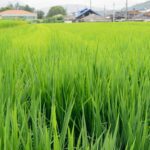
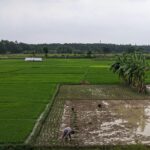
In the lush landscapes of rice paddies, where emerald green stalks sway gently in the breeze, a remarkable change unfolds beneath the surface of the soil. The journey of a parboiled rice plant is one of resilience, adaptation, and hidden potential. From seed to harvest, this process reflects not only the intricacies of agricultural science but also the profound ties between nature and nourishment. In this article, we embark on an exploratory voyage through the life cycle of the parboiled rice plant, delving into its unique growth stages, the importance of parboiling, and the cultural heritage interwoven with this staple food.As we unlock the potential of this humble plant, we uncover the stories of the farmers who cultivate it and the communities that rely on its bounty, revealing the significance of rice in our global tapestry of sustenance. Join us as we celebrate the journey that brings this vital crop from the fields to our tables, exploring the delicate balance between tradition and innovation along the way.
Cultivating Resilience: Understanding the Life Cycle of Parboiled Rice
The life cycle of a parboiled rice plant embodies the essence of resilience, showcasing a transformative journey from seed to grain. Each phase of its advancement is marked by the plant’s remarkable adaptation to varying environmental challenges. Initially,the journey begins with seed germination,where tiny seeds absorb water,swell,and break through the soil’s surface. This process sets the foundation for a strong root system, which is crucial for nutrient uptake and anchoring the plant against stress factors such as drought and flood. Once germination is complete, the vegetative stage takes hold, characterized by rapid leaf growth and the establishment of stems, reinforcing the plant’s resilience as it gradually builds its stature, preparing for the next critical phase.
The transition to the reproductive stage is a pivotal moment in the rice plant’s life cycle.Here, the formation of panicles indicates the readiness to bear fruit, showcasing the culmination of its efforts. It is indeed during this stage that the plant faces the greatest challenges, including potential pest infestations and unpredictable weather patterns.Yet, the strength of the parboiled rice lies in its unique processing method, which enhances its stress resilience and nutritional value—making it a staple in many diets around the world. This method not only improves the shelf life of rice but also preserves essential nutrients,highlighting the harmony between cultivation practices and natural adaptability.As the grains mature, the cycle ultimately reflects the significance of nurturing and supporting agriculture, fostering a enduring relationship between crops and communities.
Nurturing Growth: Key Practices for Optimal Development
growing a parboiled rice plant starts long before the seed touches the soil. Preparation is critical in nurturing the plant to its full potential. This involves selecting the right seeds, which should be healthful and robust, ensuring they are treated to eliminate pests and diseases.The planting site must be meticulously chosen, as it needs adequate sunlight, sufficient drainage, and access to water. Once the seeds are set, cultivation becomes vital, as it includes proper irrigation techniques, regular weeding, and the application of organic fertilizers to enrich the soil.Each of these activities contributes to stronger root systems, which ultimately support lush growth above ground.
As the plant begins to mature,ongoing care and monitoring are paramount. Farmers should regularly assess the health of the plants by looking for signs of nutrient deficiencies or pest infestations. Knowledge of optimal conditions plays a crucial role in this phase. the rice plants require specific levels of humidity and temperature to flourish, and farmers must adapt their practices accordingly. Implementing sustainable practices, such as crop rotation and integrated pest management, can enhance soil fertility and resilience. Below is a brief table illustrating some effective care tips that foster optimal development:
| Practice | Benefit |
|---|---|
| Regular Watering | Ensures proper growth and minimizes stress. |
| Soil Testing | Identifies nutrient needs and enhances fertility. |
| Pest Monitoring | prevents crop damage and promotes healthy yields. |
| Mulching | Conserves moisture and suppresses weeds. |
Harvesting Knowledge: The Benefits of Parboiled Rice Processing
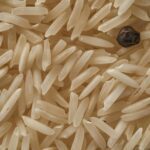
The parboiling process is a transformative journey that enhances the nutritional profile and culinary appeal of rice. During this method, rice grains are soaked, steamed, and then dried before milling. This not only prevents the loss of nutrients but also preserves the texture and flavor, making parboiled rice a favorite in kitchens worldwide. The steaming process in particular allows for the gelatinization of starches, which results in grains that are less sticky and more resilient to overcooking. As an inevitable result, chefs and home cooks alike appreciate the enhanced fluffiness and separation of cooked rice.
Moreover, the benefits extend beyond the kitchen. Parboiled rice processing supports local economies by creating job opportunities throughout the supply chain. From farmers who cultivate the rice to the workers involved in the parboiling process, many lives are positively impacted. Additionally, the longer shelf life of parboiled rice compared to conventional varieties helps reduce food waste and ensures a sustainable source of nutrition. Organizations and communities can benefit from educational initiatives that promote better storage methods and nutrition awareness, leading to a more informed populace.
| Benefits | Details |
|---|---|
| Nutritional Value | Retains vitamins and minerals during processing. |
| culinary Quality | Provides a non-sticky and firm texture. |
| Job Creation | Generates employment in farming and processing sectors. |
| Reduced Waste | Longer shelf life minimizes food spoilage. |
Sustaining Success: Future Trends in Rice Cultivation and Nutrition
As we move into a new era of agriculture,the future of rice cultivation is set to transform substantially. Innovations in genetic engineering and sustainable farming practices promise to bolster resilience against pests, diseases, and climate change. Farmers are increasingly adopting techniques such as integrated pest management and crop rotation, which can lead to healthier soils and improved yield quality.Furthermore, the push towards organic farming is shaping consumer expectations, resulting in a higher demand for sustainably sourced parboiled rice. As such, cultivating rice not only requires an understanding of traditional farming methods but also an adaptation to modern agricultural technologies.
Nutrition plays a pivotal role in shaping the future landscape of rice cultivation. With global concerns about food security and malnutrition, there is a growing emphasis on increasing the nutritional value of rice. Initiatives focusing on biofortification aim to enhance the micronutrient content of rice varieties. Some of the key components of these future trends include:
- Increased Iron and Zinc Levels
- Enhanced Vitamin A Bioavailability
- Low Glycemic Index Features
These advancements not only promise to provide better nourishment but also help in addressing public health challenges related to diet. For instance, a robust table of parboiled rice’s nutritional benefits can be seen below:
| Nutrient | amount per 100g |
|---|---|
| Carbohydrates | 77g |
| Protein | 7g |
| Fiber | 2g |
| Iron | 0.2mg |
| Zinc | 0.3mg |
This collective effort from various sectors aims to bridge the gap between agricultural production and nutritional security, embodying a holistic approach to food systems that benefits farmers, consumers, and the environment alike.
Wrapping Up
As we conclude our exploration of the remarkable journey of the parboiled rice plant, we are reminded of the rich tapestry that nature weaves through its growth processes. Each stage of the rice plant’s life is a testament to resilience and adaptation, from its humble beginnings in flooded fields to its transformation into a staple that sustains millions worldwide.The methods of parboiling—once a traditional practice—now embrace modern innovation,bridging time-honored techniques with contemporary needs for nutrition and efficiency.
The parboiled rice plant not only nourishes the body but also encapsulates a deeper understanding of agriculture’s role in sustainability and food security. Unlocking its potential goes beyond improving yield; it calls us to appreciate the intricate relationship between the earth, water, and the delicate balance of ecosystems. As we move forward, it is indeed imperative that we nurture this knowledge, embracing the future of farming with an eye toward environmental stewardship and social responsibility.
In celebrating the journey of the parboiled rice plant,we are ultimately celebrating the power of nature’s potential—an enduring source of sustenance,resilience,and hope for generations to come. Let us carry forth the lessons learned, harnessing innovation while honoring tradition, as we cultivate not just crops, but a harmonious relationship with the world around us.