
In the world of culinary delights, rice stands as a timeless staple, capturing the hearts and palates of cultures across the globe. Among its many varieties, parboiled rice has carved out a unique niche, revered not just for its nutritional benefits but also for the distinctive texture and flavor it adds to a myriad of dishes. Yet, the journey from paddy to plate is one that often goes unnoticed, shrouded in layers of processing and tradition. “Unlocking Goodness: The Parboiled Rice Processing Journey” invites you to unravel the intriguing process that transforms raw rice into a versatile culinary hero. From the sun-drenched fields where the rice is harvested to the steaming pot where it is ultimately transformed into a delicious meal, we delve into the intricate steps of parboiled rice processing, exploring its history, benefits, and the science behind its unique characteristics. Join us as we uncover the secrets of this cherished grain and celebrate the effort that ensures every grain is packed with goodness.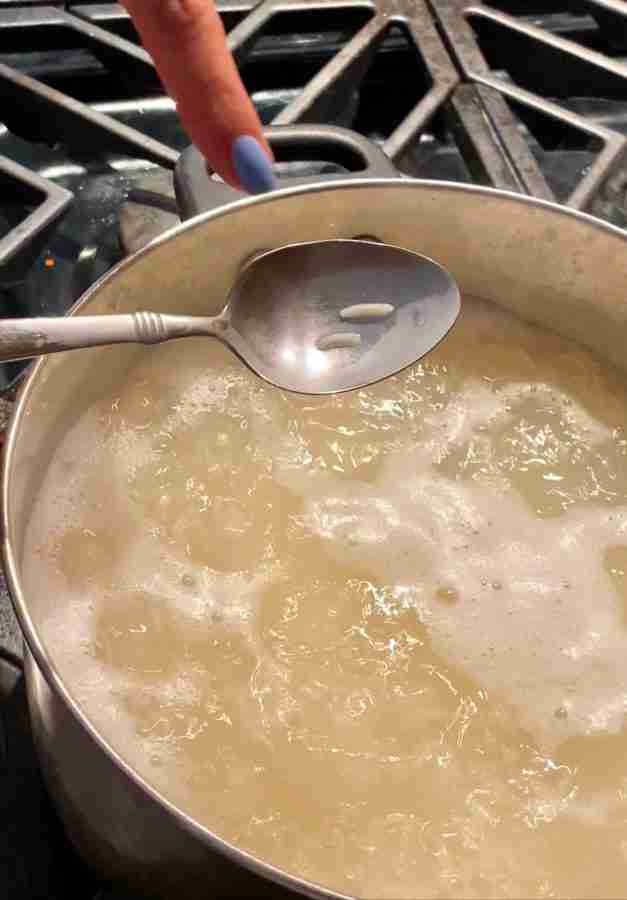
Understanding the Parboiling Process and Its Benefits
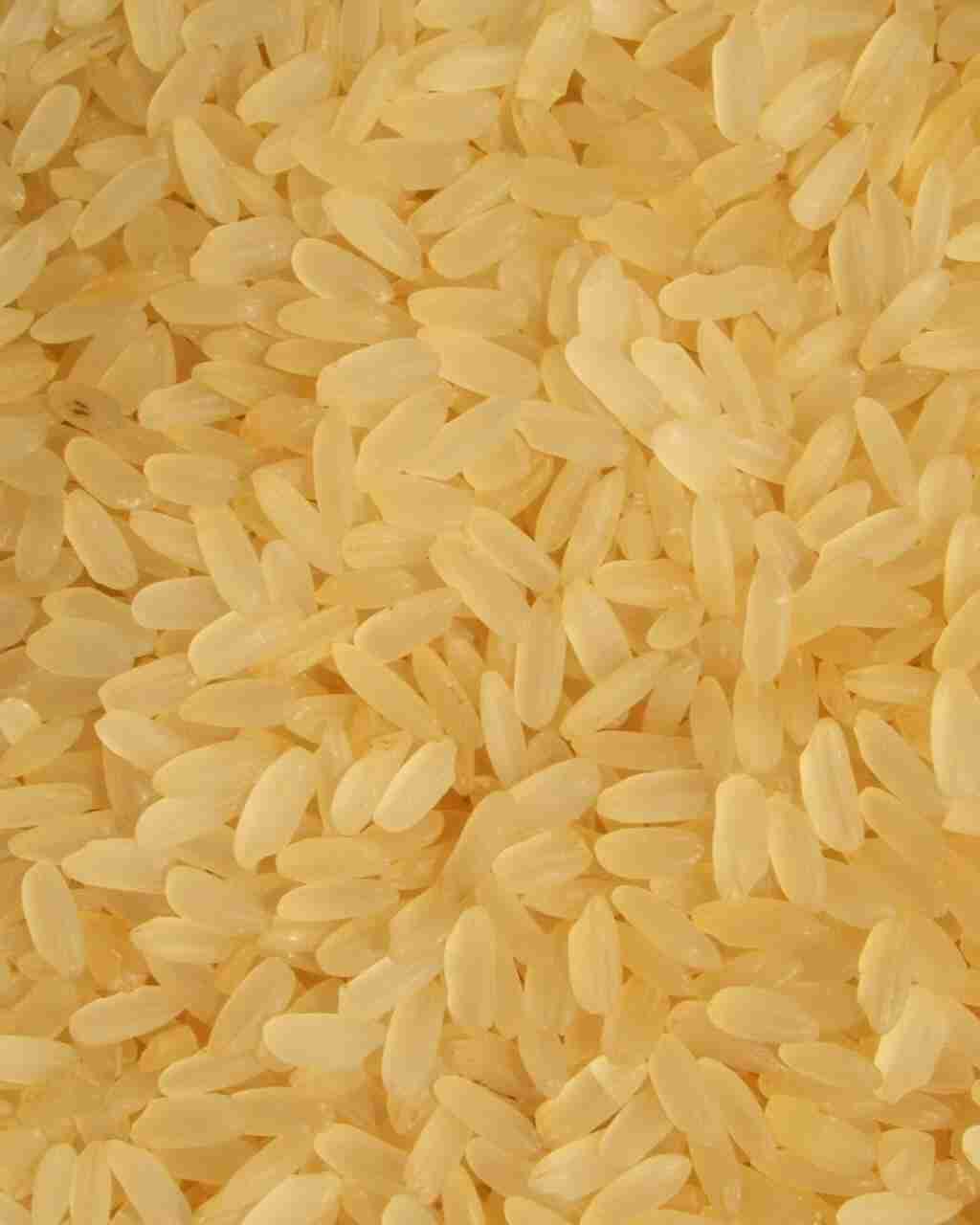
The parboiling process is a fascinating culinary technique that transforms raw rice into a more nutritious and easier-to-cook ingredient. During parboiling, rice is soaked and steamed before it’s dried and hulled. This method preserves the essential nutrients, such as vitamins and minerals, while also enhancing the flavor and texture of the grains. The process involves three main stages: soaking, steaming, and drying. Each stage plays a crucial role in ensuring that the rice retains its goodness and offers a delightful culinary experience.
One of the most notable advantages of parboiled rice is its improved nutritional profile. Compared to regular white rice, parboiled rice tends to contain higher levels of important vitamins and minerals. The steaming process helps to transfer nutrients from the bran to the endosperm, making it a healthier choice. Additionally, parboiling reduces cooking time and prevents the grains from becoming sticky, resulting in light and fluffy rice dishes. Here are some key benefits that make parboiled rice a smart choice:
- Enhanced Nutritional Value: Retains essential nutrients.
- Shorter Cooking Time: Saves time in meal preparation.
- Better Texture: Non-sticky and fluffy consistency.
- Extended Shelf Life: Less prone to spoilage compared to raw rice.
Essential Equipment for Efficient Parboiled Rice Processing
To embark on the journey of parboiled rice processing, possessing the right tools is essential for achieving efficiency and quality. The most crucial piece of equipment is the parboiling unit, which functions as the heart of the operation. This unit is designed to soak, steam, and dry the rice, optimizing its nutritional profile while maintaining texture. Alongside it, a pressure cooker allows for controlled steaming, ensuring even cooking and consistent results. Modern operations might also incorporate automatic rice hulling machines, which efficiently remove the husk while minimizing kernel breakage. Other important tools include grain separation equipment to sort out different rice grades and impurities, as well as storage silos to preserve the quality of parboiled rice during the post-processing period.
A smooth processing workflow is supported by auxiliary equipment. Conveyor belts can expedite the transfer of rice through different stages, significantly reducing labor time. Additionally, quality control systems ensure that only the best batches make it to packaging, involving both visual inspections and moisture analysis tools. An environmental control system is also beneficial, maintaining optimal temperatures and humidity levels within the processing facility. To manage operations efficiently, employing digital tracking software aids in monitoring every stage of production, ensuring that the process remains seamless and within safety standards. the combination of these tools not only enhances productivity but also elevates the final product, ensuring that each grain of parboiled rice delivers maximum flavor and nutrition.
Quality Control Measures to Ensure Superior Products
To guarantee the highest standards in parboiled rice production, meticulous quality control measures are implemented at every stage of the processing journey. Initially, raw rice selection is critical; only the finest quality grains are sourced, ensuring a superior foundation. Throughout the milling process, multiple checkpoints are established to detect impurities or defects. Techniques such as:
- Visual Inspection: Regular checks to identify any foreign materials.
- Moisture Content Analysis: Testing moisture levels to maintain ideal preservation conditions.
- Grain Size Assessment: Ensuring uniformity in size for optimal cooking results.
Advanced testing methods further enhance the quality assurance process. During parboiling, heat and moisture treatments are carefully monitored to retain essential nutrients while mitigating microbial growth. Additionally, a comprehensive final product evaluation is conducted, where samples undergo rigorous cooking tests. This ensures that each batch meets customer expectations for:
| Parameter | Standard Requirement | Actual Result |
|---|---|---|
| Cooking Time | 20 minutes | 20 minutes |
| Aroma | Fragrant | Fragrant |
| Texture | Fluffy | Fluffy |
This careful attention to detail ensures that the final product not only meets but exceeds the expectations of discerning consumers, solidifying the brand’s reputation for excellence in parboiled rice.
Sustainable Practices for Enhancing Parboiled Rice Production
Integrating sustainable practices into parboiled rice production not only bolsters yield but also promotes environmental stewardship. Water management is a cornerstone of sustainable rice cultivation; employing techniques such as drip irrigation and rainwater harvesting can significantly reduce water waste. Additionally, farmers can practice crop rotation and intercropping, introducing legumes which naturally enrich soil nitrogen levels, thereby minimizing the need for synthetic fertilizers. This approach not only improves soil health but also boosts the resilience of the rice crop to pests and diseases.
Another vital aspect of sustainable rice production is the utilization of organic pest management strategies. Instead of relying on chemical pesticides, farmers are encouraged to implement methods such as introducing natural predators or using neem-based products. Furthermore, adopting eco-friendly packaging for parboiled rice can enhance marketability while appealing to environmentally conscious consumers. Implementing a comprehensive waste management system, which includes composting rice husks and straw, can also reduce environmental impact and provide valuable organic matter back to the soil.
| Sustainable Practice | Benefit |
|---|---|
| Drip Irrigation | Reduced water consumption |
| Crop Rotation | Improved soil health |
| Organic Pest Management | Lower chemical use |
| Composting | Enhanced soil nutrient content |
Insights and Conclusions
As we wrap up our exploration of the intricate journey of parboiled rice processing, we find ourselves reflecting on how this humble grain transforms into a staple that nourishes millions around the globe. From the steaming fields where golden stalks sway gently in the breeze to the sophisticated machinery that ensures each grain is imbued with nutrients, every step in the process embraces the essence of goodness.
In unlocking the secrets of parboiled rice, we not only appreciate the dedication of farmers and processors but also recognize the significance of this method in enhancing quality and sustainability. As we move forward, it’s essential to carry this knowledge with us, celebrating the interconnectedness of agriculture, technology, and nutrition.
So, the next time you enjoy a plate of parboiled rice, take a moment to appreciate the journey it has undertaken—a journey that embodies the spirit of resilience, innovation, and an enduring commitment to feeding the world. Here’s to the grains that bring us together, reminding us of the goodness that lies at the heart of our food.




