Unlocking Flavors: Inside a Parboiled Rice Processing Plant
In the heart of agricultural innovation lies a hidden gem where raw grains transform into the aromatic,nutrient-enhanced staple beloved by cultures worldwide: parboiled rice.this article invites you to embark on a sensory journey into a parboiled rice processing plant, a place where science and tradition converge to unlock the true potential of one of humanity’s oldest food sources. As we delve into the intricate processes that elevate plain rice into a culinary canvas, we will explore the methods that enhance flavor, texture, and nutritional value, unveiling the intricate dance of steam and heat that breathes new life into every grain. Join us as we peel back the curtain on this often-overlooked operation, revealing the remarkable craftsmanship and technology that make parboiled rice not just a side dish, but a key ingredient in countless dishes across the globe.
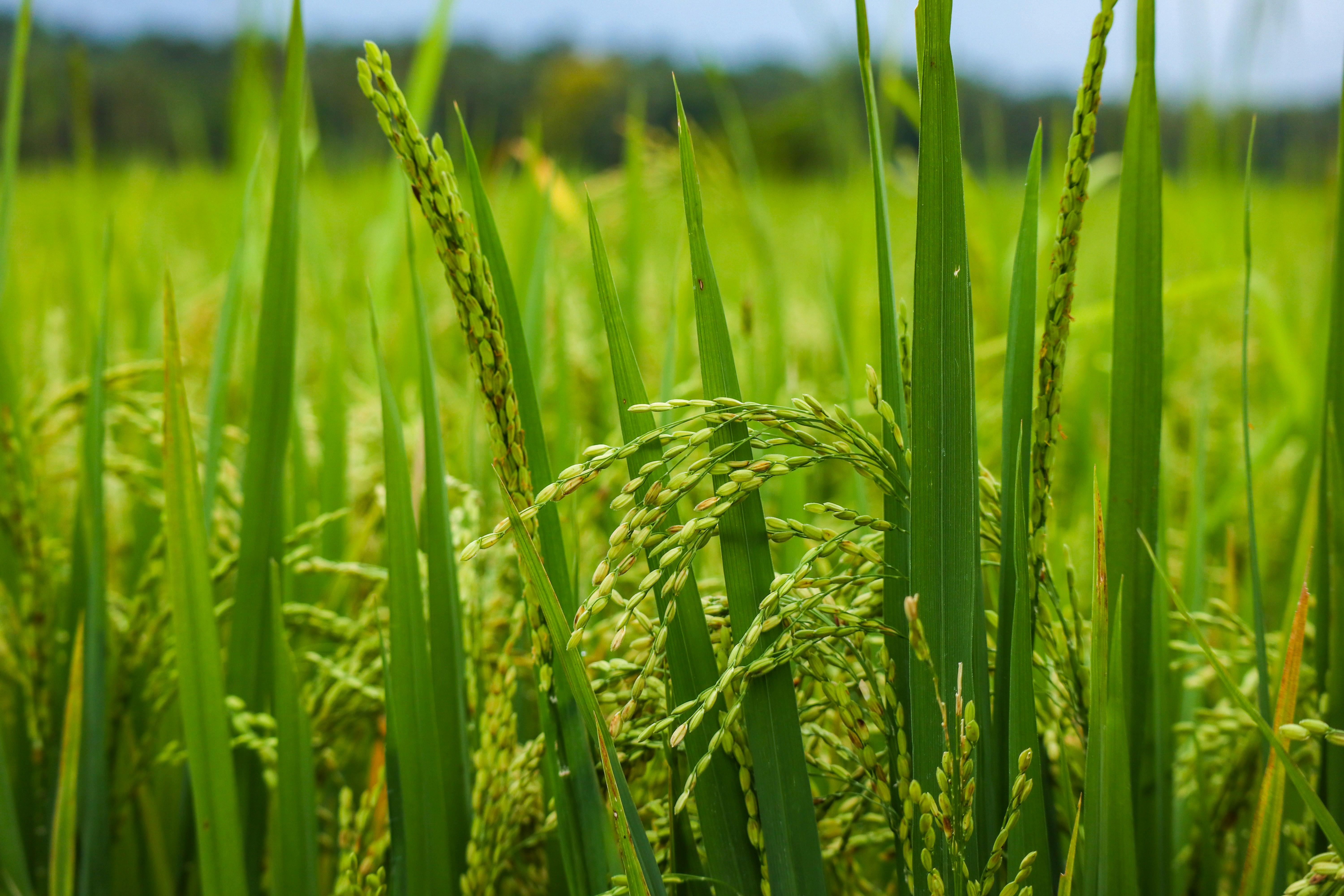
Exploring the Journey from Paddy to Parboiled Perfection
In a bustling processing plant,the transformation of paddy into parboiled rice unfolds like an intricate dance,each step meticulously choreographed to bring out the rich flavors and nutritious qualities of the grain. The journey begins with cleaning, where impurities such as stones, dust, and husks are removed. Once the paddy is cleaned, it undergoes steaming, a crucial stage that softens the grains while allowing nutrients from the bran to seep in, thereby enhancing flavor and texture. following this,the parboiled rice is dried,an essential process to reduce moisture content,ensuring that the grains remain seperate upon cooking and are free from spoilage. Each phase is carefully monitored, as these actions lay the foundation for a superior end product that will grace tables across cultures and cuisines.
As the parboiled rice continues its journey, it is indeed subjected to milling and polishing, which refine the grains to achieve that perfect sheen. During milling, the outer layers are polished away to create a delicate texture, while ensuring that the nutrients infused during steaming remain intact. The final stages of packaging and quality control seal the commitment to excellence, where every batch is tested for consistency and taste. This meticulous process not onyl preserves the nutritional value but also elevates the culinary experience, allowing chefs and home cooks alike to unlock a world of flavors in their dishes. The journey from paddy to parboiled perfection is not just a processing endeavor; it is an art form,celebrating nature’s bounty through science and tradition.
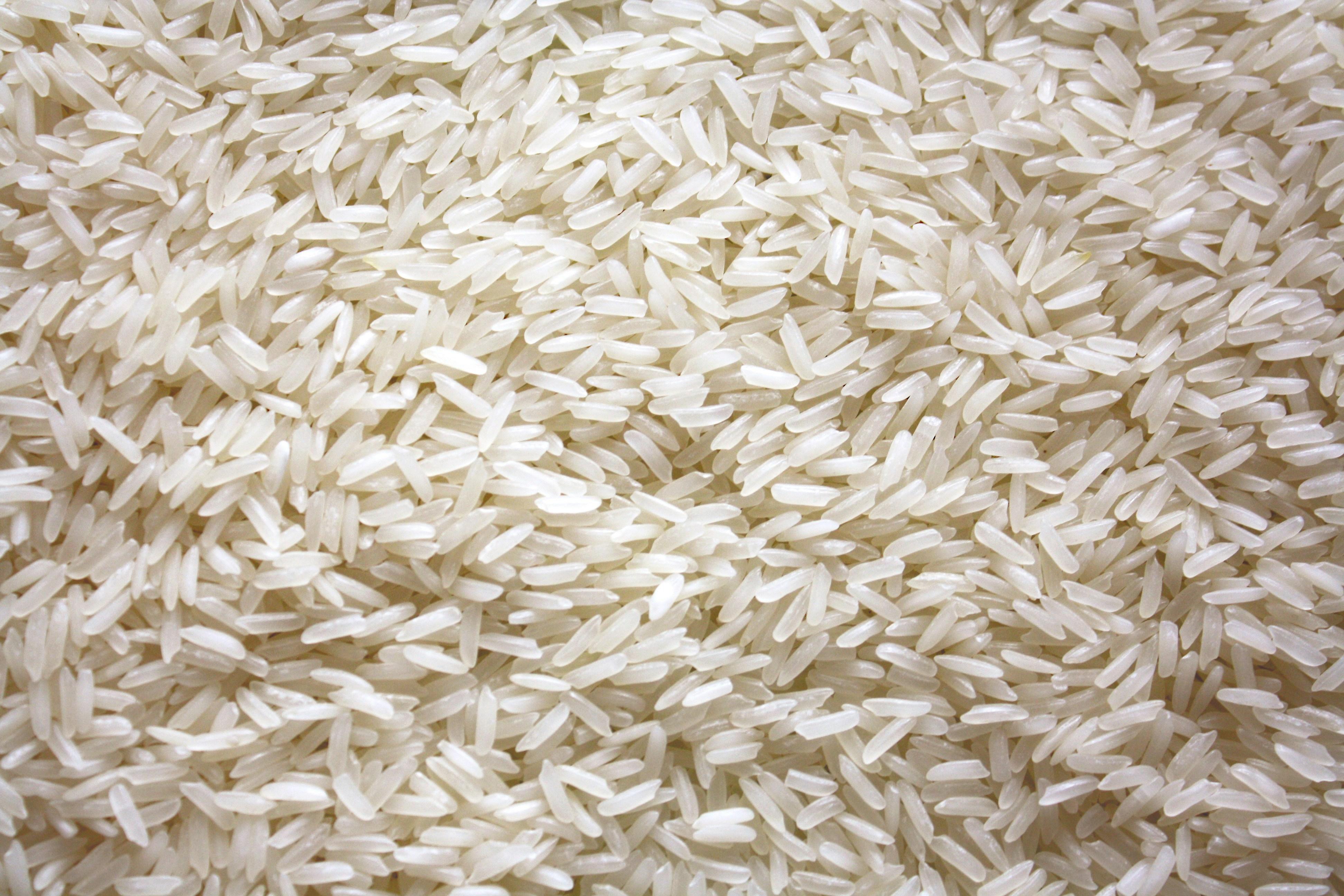
Understanding the Science Behind Parboiled Rice processing
Delving into the intricacies of parboiled rice processing reveals a fascinating interplay of science and tradition. This method, steeped in history, begins with soaking the raw, unprocessed grains in water, which allows for the absorption of moisture. The seeds are then subjected to steaming under controlled conditions, a technique that not only enhances the nutritional value but also makes the grains firmer. This phase effectively gelatinizes the starch, resulting in a unique texture and distinct flavor profile that sets parboiled rice apart from its non-parboiled counterparts. In this process, the vitamin B and minerals, which naturally exist in the bran, are drawn into the endosperm, enriching the overall nutritional quality of the rice.
Following steaming, the rice undergoes a drying process, carefully reducing moisture content to optimal levels for storage and cooking. This vital step eliminates microbial activity, ensuring that the rice has a longer shelf-life while maintaining its excellent cooking attributes. The parboiling technique not only minimizes breakage during milling but also results in better cooking yields, as each grain remains separate and fluffy when prepared. With its release of intriguing flavors and appealing aroma, parboiled rice provides a delightful culinary experience that showcases the meticulous engineering behind its processing. The harmonious blend of science and craftsmanship ultimately transforms humble grains into a globally celebrated staple.
Key Techniques for enhancing Flavor and Nutritional value
To elevate the taste and health benefits of parboiled rice, a variety of innovative techniques can be employed during processing. soaking the rice before parboiling is a fundamental step that enhances the flavor profile by allowing grains to absorb water and expand, leading to a more robust texture. Additionally, the steaming process is crucial; it not only cooks the grains but also helps in retaining essential nutrients such as B vitamins and minerals, which might otherwise be lost in conventional milling. Other methods like incorporating herbs and spices during the cooking process can introduce complex flavors and make dishes more enticing without adding excessive calories.
Moreover, the concept of fortification plays an critically important role in the nutritional enhancement of parboiled rice. this can involve adding micronutrients like iron or folic acid, addressing common dietary deficiencies in various populations. Another technique involves using varieties of rice enriched with specific nutrients or flavors. For example,selecting rice types that are naturally high in fiber or have a unique aroma can contribute not only to better health but also to a delightful culinary experience. Below is a table showcasing various rice types along with their unique flavor and health benefits:
| Rice Type | Flavor profile | Nutritional Benefits |
|---|---|---|
| Brown rice | Nuts and Earthy | High in fiber, Rich in antioxidants |
| Jasmine Rice | Floral and fragrant | Contains essential amino acids |
| Wild Rice | Nutty and Chewy | High protein content, Good source of fiber |
Sustainability Practices for the Future of Rice Processing
The rice processing industry is at a pivotal crossroads where environmental duty and operational efficiency must converge.Lasting practices not only mitigate ecological impact but also enhance product quality and consumer trust. By implementing bold innovations, such as renewable energy sources for mill operations and water recycling systems, facilities can minimize their carbon footprint while ensuring optimal resource utilization. In this endeavor, emphasis is placed on cultivating relationships with local farmers to promote organic rice cultivation methods, which prioritize soil health and biodiversity over chemical interventions.
A commitment to sustainability extends into the waste management processes within rice processing plants. Many facilities are now adopting zero waste strategies by repurposing by-products such as husks and bran.These materials can be converted into biomass fuel, effectively powering machinery, or transformed into nutritional supplements for livestock. Additionally,practices like solar drying and efficient packaging solutions can considerably reduce energy consumption and plastic waste alike. Embracing these holistic approaches not only secures a better future for rice processing but also enriches the flavors and quality of the final product, creating a more sustainable ecosystem.
| Practice | Benefits |
|---|---|
| Renewable Energy Usage | Reduces carbon emissions and operational costs. |
| Water Recycling | conserves water resources and decreases wastage. |
| Zero Waste Initiatives | Minimizes landfill contributions and opens revenue channels. |
| Organic Practices | Enhances soil health and boosts eco-pleasant production. |
Wrapping Up
As we conclude our journey through the inner workings of a parboiled rice processing plant, it’s clear that this intricate process is more than just a method of preparation—it’s a harmonious blend of science, tradition, and innovation. From the steaming vitality of the rice as it absorbs moisture to the meticulous drying and milling that enhance its nutritional value, every step contributes to the unlocking of flavors and the preservation of a staple that sustains millions around the globe.
Through our exploration, we’ve witnessed the dedication of skilled workers, the innovative machinery, and the careful attention to quality that transform raw grains into the parboiled rice enjoyed at dining tables worldwide. This vital process not only ensures a product rich in taste and nutrition but also highlights the continued evolution of food processing in response to consumer demands and sustainability concerns.
As we reflect on the journey of rice from field to fork, let us appreciate the labor behind each grain. Whether it’s paired with a flavorful curry or served as a side dish, parboiled rice is a testament to global culinary artistry and a reminder that every meal is steeped in a history of careful craftsmanship.Thus, as you savor your next bowl, remember the story woven into each bite—a celebration of culture, innovation, and the timeless quest for flavor.