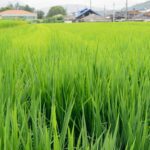
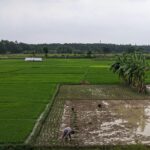
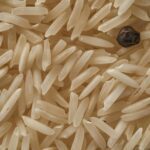
In every grain of rice lies a story that transcends generations—a tale of cultivation, tradition, and change. For centuries, rice has been more than just a staple food; it is the heartbeat of cultures, the centerpiece of celebrations, and a symbol of sustenance across diverse societies. Though, beneath the surface of this humble grain, an evolution is quietly taking place. Rice processing plants, once simple establishments focused on the basic task of milling, are transforming into sophisticated hubs of innovation, sustainability, and technology. This article embarks on a journey through the world of rice processing, exploring the intricate dance between tradition and modernity. We will uncover how these facilities are adapting too meet contemporary demands while honoring the age-old practices that have shaped their existence. Join us as we delve into the captivating evolution of rice processing plants, highlighting the ingenuity and resilience that continue to redefine this essential industry.
The Evolution of Rice Processing Techniques in Modern Agriculture
The transformation of rice processing techniques has been a remarkable journey, reflecting both cultural preservation and technological advancement. Customary methods often relied on manual labor, which, while effective, lacked efficiency and consistency. Over time, this laid the groundwork for mechanization, with emerging technologies introducing a spectrum of machines that could handle everything from husking to milling. Today, facilities utilize high-capacity equipment, greatly increasing output while maintaining quality. Not only have these machines revolutionized processing speed, but they also enhance precision, ensuring that each grain is treated with care to preserve its nutritional value and integrity.
Furthermore, the integration of automated systems in rice processing plants marks a important shift in addressing sustainability and resource management. Water and energy efficiency have become focal points, leading to the adoption of practices such as:
- Recycling water used during washing
- Using solar energy for power in remote areas
- Implementing waste management systems that convert byproducts into valuable resources
By marrying tradition with modern innovation, rice processing not only embraces betterment but also paves the way for a more sustainable future. As these practices evolve, they reflect a collective commitment to preserving both the heritage of rice cultivation and the habitat.
Sustainable Practices: Redefining Efficiency and Environmental Impact
In the journey of rice processing, efficiency is no longer solely defined by output but significantly intertwines with environmental stewardship. modern rice mills are adopting cutting-edge technologies to minimize waste and conserve resources. As a notable example, energy-efficient machinery reduces power consumption, while water recycling systems allow mills to reuse water in the processing stages, drastically decreasing their environmental footprint. As a result, these plants can enhance their productivity while lessening their impact on the ecosystem, demonstrating a harmonious balance between industrial operations and sustainability.
Moreover, the shift toward sustainable practices encompasses the entire supply chain, fostering partnerships that prioritize environmental health. Initiatives like agroecological farming techniques not only help producers improve yields but also promote soil health and biodiversity. By integrating such practices, rice processing plants can significantly contribute to the agricultural landscape. Key strategies include:
- Crop rotation: Enhances soil fertility and disease resistance.
- Organic fertilizers: Reduce chemical runoff and promote sustainable soil health.
- Integrated pest management: Minimizes chemical usage and encourages natural pest predators.
| Traditional Method | Sustainable Approach |
|---|---|
| High energy consumption | Energy-efficient equipment |
| Excessive water usage | Water recycling systems |
| Chemical pesticides | Natural pest management |
this extensive approach not only transforms the operational dynamics of rice processing plants but also inspires a broader movement within the agriculture industry. By redefining efficiency through sustainable innovation, the path forward is marked by tools and strategies that champion both productivity and a commitment to environmental resilience.
Innovation in Technology: The Role of Automation in Rice Processing
The integration of automation within rice processing facilities signifies a pivotal shift towards enhanced productivity and efficiency. As the demand for rice continues to soar, traditional methods alone can no longer meet market requirements. automation technologies, such as robotic sorting and smart milling systems, are revolutionizing the way rice is processed. These systems not only streamline operations but also ensure a higher quality product by minimizing human error. The advantages of embracing automation in this context are plentiful:
- Increased efficiency: Automated systems can operate continuously,significantly reducing processing time.
- Consistency: Machine precision leads to uniformity in rice quality, appealing to consumers’ expectations.
- Cost reduction: although the initial investment may be ample, long-term savings arise from decreased labor costs and waste minimization.
furthermore, automation plays a critical role in adhering to sustainability goals within the agricultural sector. by implementing advanced data analytics and IoT technologies, rice processing plants can effectively monitor and reduce energy consumption while optimizing resource use. A notable example of these innovations in practice can be seen in the request of smart sensors. They enable real-time feedback on moisture levels, sorting conditions, and equipment performance, leading to:
| Benefits of Smart Sensors | details |
|---|---|
| Enhanced Precision | Allows for accurate adjustments in the processing line, reducing waste. |
| Improved Yield | Maximizes the extraction of valuable rice by-products. |
| data-Driven Insights | Provides actionable insights for continuous improvement. |
Empowering Communities: Economic Benefits and Local Engagement in Rice Plant Operations
in many rural areas, the establishment of rice processing plants plays a pivotal role in revitalizing local economies. By converting raw rice into market-ready products, these facilities not only enhance the value of the crop but also stimulate various sectors of the community. As a result, we observe an increase in job opportunities, ranging from direct employment in the plants to ancillary roles in logistics and distribution. Business owners and farmers alike benefit from access to training and resources that improve their operational efficiencies, with many reporting increased profit margins. this collective growth directly contributes to the enhancement of local livelihoods, promoting a sustainable economic ecosystem.
Furthermore, the engagement of community members in the operations of these processing plants fosters a sense of ownership and pride. Established partnerships with local organizations enable knowledge transfer and skill development, creating an informed workforce that can adapt to advances in technology and market demands. Community meetings and workshops frequently enough serve as platforms for sharing best practices, nurturing innovative ideas, and celebrating collective achievements. By embracing traditional practices while incorporating modern techniques, rice processing plants not only uphold cultural heritage but also drive an economic model that prioritizes local involvement and prosperity. The ripple effect of this engagement is undeniable, leading to stronger community bonds and resilience.
Wrapping Up
As the sun sets over the verdant fields, casting a golden hue upon the ripening grain, we reflect on the intricate journey of rice processing plants. These facilities, frequently enough nestled at the heart of agricultural communities, encapsulate a fascinating blend of age-old practices and cutting-edge technology. By transforming tradition, they not only enhance efficiency but also preserve the cultural meaning of rice as a staple food source across the globe.from humble beginnings rooted in familial harvesting methods to innovations that embrace sustainability and quality, the evolution of rice processing plants tells a story of resilience and adaptability. This journey highlights the vital role these plants play in ensuring food security, supporting local economies, and promoting environmental stewardship.
As we look to the future,the ongoing transformation of rice processing stands as a testament to human ingenuity and our commitment to harmonizing tradition with progress. Whether through the integration of smart technology or the embrace of eco-pleasant practices, the possibilities are as abundant as the grains of rice that feed millions.
In this era of continuous change, let us remember that every bowl of rice carries not just nourishment, but also a narrative—a journey of transformation that connects us all to the fields, the producers, and the rich tapestry of culture that surrounds this beloved grain. As we move forward, may we remain mindful stewards of this heritage, honoring the past while cultivating a sustainable future.