
Transforming Harvests: The Journey of Rice Processing Plants
In the heart of fertile landscapes where golden grains dance in the wind, rice stands as a symbol of sustenance and culture for billions worldwide. Yet, the path from paddy to plate is more than a culinary journey; it is an intricate process marked by innovation, tradition, and sustainability. As the sun rises over lush fields, the transformation begins—an artful blend of age-old techniques and modern technology reshapes harvested crops into the staple that graces tables around the globe. This article embarks on a voyage through the often-overlooked realm of rice processing plants, exploring their pivotal role in enhancing food security, reducing waste, and adapting to the ever-changing demands of an interconnected world. Join us as we unravel the story of these essential facilities, where each grain’s journey is a testament to human ingenuity and resilience.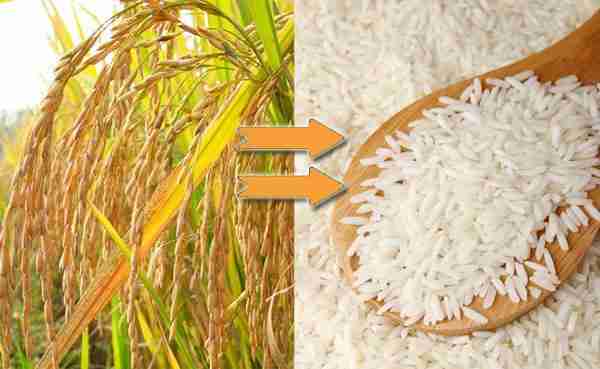
Innovations in Rice Processing Technology Enhancing Efficiency and Quality
The landscape of rice processing has evolved significantly due to cutting-edge advancements that prioritize both efficiency and quality. New machines equipped with precision technology are now commonplace, revolutionizing traditional methods. For example, automated milling systems reduce waste and enhance the extraction of edible rice by minimizing damage to grains. Some innovations include:
- Infrared Drying Technologies: Ensures uniform heat distribution, reducing drying time and energy consumption.
- Optical Sorting: Enhances the quality of finished products by removing impurities and defective grains with unmatched precision.
- Smart Sensors: Monitor conditions during storage and processing, preventing spoilage and prolonging shelf life.
Moreover, the integration of sustainability practices in rice processing plants has led to greener solutions. Advanced rice bran extraction technology maximizes usage, ensuring that no part of the rice plant goes to waste. This approach not only enhances utility but also promotes environmental responsibility. Key advantages include:
| Innovation | Benefit |
|---|---|
| Biodegradable Packaging | Reduces plastic waste and environmental footprint. |
| Water Recycling Systems | Minimizes water usage and supports sustainable practices. |

The Role of Sustainable Practices in Modern Rice Mills
In an era where environmental consciousness is paramount, rice mills are rising to the occasion by integrating sustainable practices into their operations. These modern facilities not only focus on maximizing production but also prioritize minimizing their ecological footprint. Key approaches include:
- Energy Efficiency: Utilizing advanced machinery that consumes less energy, thereby reducing overall operational costs and greenhouse gas emissions.
- Water Conservation: Implementing systems that recycle water and utilize rainwater harvesting to ensure optimal water use during milling processes.
- Waste Management: Turning by-products of rice milling, such as rice husks and bran, into useful resources by converting them into biofuels or animal feed.
The adoption of these practices is not merely beneficial for the environment; it also enhances the competitive advantage of rice mills in the global market. As consumers increasingly prefer sustainably-produced goods, rice mills that embrace eco-friendly operations tend to foster stronger brand loyalty. Furthermore, investment in sustainable technologies can lead to:
| Benefits | Impact |
|---|---|
| Cost Savings | Reduced energy and water bills. |
| Brand Reputation | Attracting environmentally-conscious consumers. |
| Regulatory Compliance | Avoiding fines and penalties associated with environmental laws. |
Addressing Challenges: From Seed to Market in the Rice Supply Chain
The journey of rice from field to consumer is fraught with challenges that impact every stage of its supply chain. Farmers grapple with the uncertainties of weather and pest management, which can drastically affect the yield and quality of their harvests. Once harvested, rice must navigate through several processing stages, each with its own set of hurdles such as transportation delays, inadequate processing facilities, and quality control issues. These obstacles can lead to significant losses, mean the difference between a thriving community or struggling producers, and affect the overall market availability of rice. Efforts to overcome these difficulties must emphasize building resilient infrastructures and improving technological access for farmers and processors alike.
Moreover, as rice moves from the processing plants to markets, the dynamics shift again with economic fluctuations and consumer demand playing major roles. Market access can be limited by factors such as logistical inefficiencies and regulatory barriers that hinder trade. To enhance this journey, it is critical to foster collaboration among stakeholders, including local governments, NGOs, and private enterprises. By investing in training programs and creating partnerships that streamline the supply chain, it is possible to better align production with market needs. Ultimately, addressing these challenges head-on is essential for transforming the rice industry and ensuring food security for communities worldwide.
Empowering Communities Through Rice Processing Plant Development
In recent years, the establishment of rice processing plants has emerged as a crucial element in enhancing the socioeconomic framework of rural areas. By providing local farmers with the infrastructure necessary to transform their harvested rice into ready-to-market products, these plants not only improve the quality of the grain but also elevate its market value. This transformation fosters a sense of ownership and pride within the community, as farmers begin to see the direct benefits of their labor. The ripple effect of these plants can be felt throughout the local economy, creating jobs, stimulating related industries, and enhancing food security. A rice processing plant can serve as a hub for:
- Job Creation: Employment opportunities in both operations and maintenance.
- Training Programs: Skill development initiatives for local farmers and workers.
- Sustainable Practices: Promotion of eco-friendly production processes.
Moreover, the integration of rice processing plants allows for a more resilient agricultural sector by diversifying revenue streams for farmers. When communities harness the potential of value-added products such as rice flour, bran oil, and packaged rice meals, they position themselves to withstand market fluctuations. The establishment of cooperatives around these plants can further amplify their impact, promoting collaborative efforts to access larger markets and improving bargaining power. This collective approach not only strengthens community ties but also leads to greater innovation and resource-sharing. The potential benefits of rice processing plant development can be summarized as:
| Benefits | Impact |
|---|---|
| Increased Income | Higher earnings for farmers from processed goods |
| Local Investment | Stimulating growth in surrounding businesses |
| Cultural Preservation | Encouraging traditional rice farming methods alongside modernization |
To Conclude
As we conclude our exploration of rice processing plants and the transformative journey they undertake, it becomes clear that this vital nexus between agriculture and industry is far more than a mere processing unit. These plants embody the labor of farmers, the innovation of engineers, and the cultural significance of rice itself, acting as a bridge between the fields and our kitchen tables.
From the labor-intensive harvesting methods to the advanced technologies that streamline operations, the journey of rice processing is a testament to human ingenuity and our unwavering quest for improvement. The evolution we’ve seen in these facilities reflects not only changes in technology but also shifts in the marketplace and environmental considerations that will shape the future of food production.
As we nurture this vital grain from seed to plate, it’s essential to appreciate the complexities and considerations inherent in its journey. In understanding this process, we foster not just a deeper appreciation for our food but also a commitment to sustainability and innovation in an ever-changing world.
Thus, the story of rice processing plants is not just one of mechanization; it is an intricate tapestry of tradition, efficiency, and responsibility. As we look toward the future, may we continue to embrace the challenges and opportunities that lie ahead in transforming our harvests. After all, it’s not merely about the grain—it’s about the lives intertwined with its journey.




