
In the heart of rice-growing regions, where lush green fields stretch as far as the eye can see, a remarkable transformation occurs that goes beyond the simple act of harvesting. Within the walls of rice processing plants, ordinary grains undergo a meticulous journey from paddy to polished perfection. This article delves into the fascinating science behind rice processing, unraveling the intricate techniques and technologies that breathe new life into this staple food. From the moment the harvested crop enters the facility until it reaches our tables, a blend of tradition and innovation ensures that each grain is not only of the highest quality but also designed to meet the diverse needs of consumers worldwide. Join us as we explore the hidden complexities of this crucial industry, where grains are not just processed but transformed into an essential ingredient that nourishes millions.
Understanding the Complex Journey from Grain to Plate
The journey from unprocessed grains to a delightful plate of rice is a complex yet fascinating process that intertwines science, technology, and artistry. Rice processing plants play a crucial role, employing sophisticated methods to transform raw paddy into the polished rice we enjoy. At the heart of this transformation are several key stages:
- Drying: Freshly harvested paddy must undergo drying to reduce moisture content, preventing spoilage.
- Hulling: The outer husk is removed, separating the edible grain from its protective casing.
- Milling: This stage involves grinding the rice to achieve the desired level of polish, which can be adjusted based on market demand.
- Grading: Processed rice is sorted by size and quality, ensuring that only the best grains reach consumers.
The precision of machinery in these plants is complemented by a deep understanding of grain chemistry and quality control. Through rigorous testing, factors such as taste, texture, and nutritional content are constantly monitored. Here’s a simplified overview of the rice processing stages:
| Processing Stage | Description |
|---|---|
| Drying | Reduces moisture to prevent spoilage. |
| Hulling | Removes the husk from the paddy. |
| Milling | Polishes the rice to enhance appearance. |
| Grading | Sorts rice by size and quality. |
This meticulous process ensures that consumers receive rice that is not only palatable but also meets high-quality standards. The intricate balance of technology and agro-science facilitates a sustainable and efficient food supply chain, highlighting the importance of rice processing in global agriculture.
Innovative Technologies Revolutionizing Rice Processing
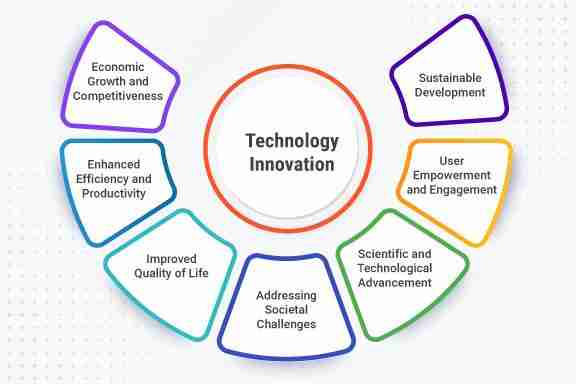
In the ever-evolving world of agriculture, rice processing is undergoing a remarkable transformation thanks to innovative technologies that enhance efficiency and quality. One of the most impactful advancements is the integration of automated milling systems, which utilize advanced sensors and AI algorithms to optimize the milling process. These systems continuously monitor grain quality, adjusting parameters in real-time to reduce waste and improve yield. Moreover, the use of robotic sorting technology ensures that only the highest quality grains are selected, significantly decreasing the chances of contamination and spoilage.
Additionally, the introduction of bioreactors in rice processing plants is opening new avenues for nutritional enhancement. By utilizing specific strains of microorganisms, these bioreactors can fortify rice with essential vitamins and minerals, making this staple food even more beneficial for health. The implementation of smart drying systems is another game changer, allowing for precise moisture control that prevents spoilage during storage. These systems not only maintain optimal conditions but also utilize renewable energy sources, contributing to the sustainability of rice processing operations.
Nutritional Enhancements Through Advanced Milling Techniques
Advanced milling techniques have revolutionized the way we process grains, enhancing their nutritional profile while maintaining their quality. By employing state-of-the-art machinery and technology, rice processing facilities can meticulously remove the bran and germ layers that often contain vital nutrients. Some benefits of these refined techniques include:
- Improved Nutritional Retention: Modern milling processes minimize the loss of vitamins and minerals.
- Fortification Potential: Advanced methods allow for easier incorporation of nutrients like iron and folic acid.
- Enhanced Digestibility: Fine milling creates a more uniform grain texture, promoting easier digestion.
Moreover, these innovations have led to the development of specialized rice varieties that cater to specific dietary needs. By facilitating targeted processing, milling techniques can help produce rice that is not only rich in flavor but also tailored for health-conscious consumers. Below is a summary of some notable varieties enhanced through modern milling:
| Variety | Nutritional Benefit | Processing Technique |
|---|---|---|
| Brown Rice | High in fiber and essential fatty acids | Minimal milling |
| Fortified White Rice | Enhanced with vitamins and minerals | Precision milling with fortification |
| Wild Rice | Rich in antioxidants | Gentle milling to preserve nutrients |
Sustainable Practices for Future-Ready Rice Processing Plants
As the global demand for rice continues to rise, integrating sustainable practices in rice processing plants becomes increasingly crucial. One effective method is the adoption of energy-efficient machinery, which reduces power consumption and minimizes emissions. Additionally, using renewable energy sources, such as solar or wind power, can drastically cut operational costs while promoting environmental stewardship. Moreover, implementing waste-to-energy solutions can convert byproducts like husks and bran into valuable energy, enhancing both efficiency and sustainability.
Water management is another vital aspect of eco-friendly rice processing. Utilizing closed-loop water systems can significantly reduce water usage and prevent contamination of local water sources. Further, the application of advanced filtration technologies ensures that wastewater is treated and recycled for reuse in the facility, thus conserving precious resources. The following table highlights some key sustainable practices in rice processing plants:
| Practice | Benefits |
|---|---|
| Energy-efficient machinery | Reduces energy consumption by up to 30% |
| Renewable energy sources | Lower carbon footprint and cost savings |
| Waste-to-energy initiatives | Recycles byproducts for energy use |
| Closed-loop water systems | Minimizes water waste and pollution |
| Advanced filtration technologies | Ensures wastewater is clean and reusable |
Wrapping Up
As we draw the curtain on our exploration of rice processing plants and the intricate science that drives them, we are reminded of the profound impact this industry has on our daily lives. Each grain of rice carries within it a journey of transformation—from its cultivation in sun-drenched fields to the sophisticated machinery that meticulously hulls, polishes, and packages it for distribution.
This journey is a testament to the fusion of nature and technology, illustrating how human ingenuity has harnessed the potential of one of the world’s staple foods. As we look to the future, the ongoing advancements in processing methods promise not only to enhance efficiency and sustainability but also to inspire further innovations that address global food security.
In the intricate dance of science and agriculture, rice processing stands as a beacon of possibility. Understanding the mechanisms behind these processes enriches our appreciation for the food on our tables and invites us all to consider the unseen efforts that make our meals possible. So, as you savor your next bowl of rice, take a moment to reflect on the journey it has undertaken—an unassuming grain transformed into a symbol of nourishment and resilience.




