In the heart of every grain lies a world of potential, waiting to be unlocked by the careful touch of innovation. Rice, a staple food for over half the world’s population, exemplifies this transformation from humble harvest to culinary delight. but what goes on behind the scenes to turn harvested paddy into the fluffy grains that fill our bowls? Enter the world of rice processing machines—remarkable engineering feats that blend science and technology to enhance efficiency and quality. This article delves into the intricate processes involved in rice processing, exploring the machines that play a pivotal role in this journey and examining how advancements in technology continue to shape the future of grain production. Join us as we uncover the science and artistry behind rice processing machines, illuminating the vital role they play in feeding the world.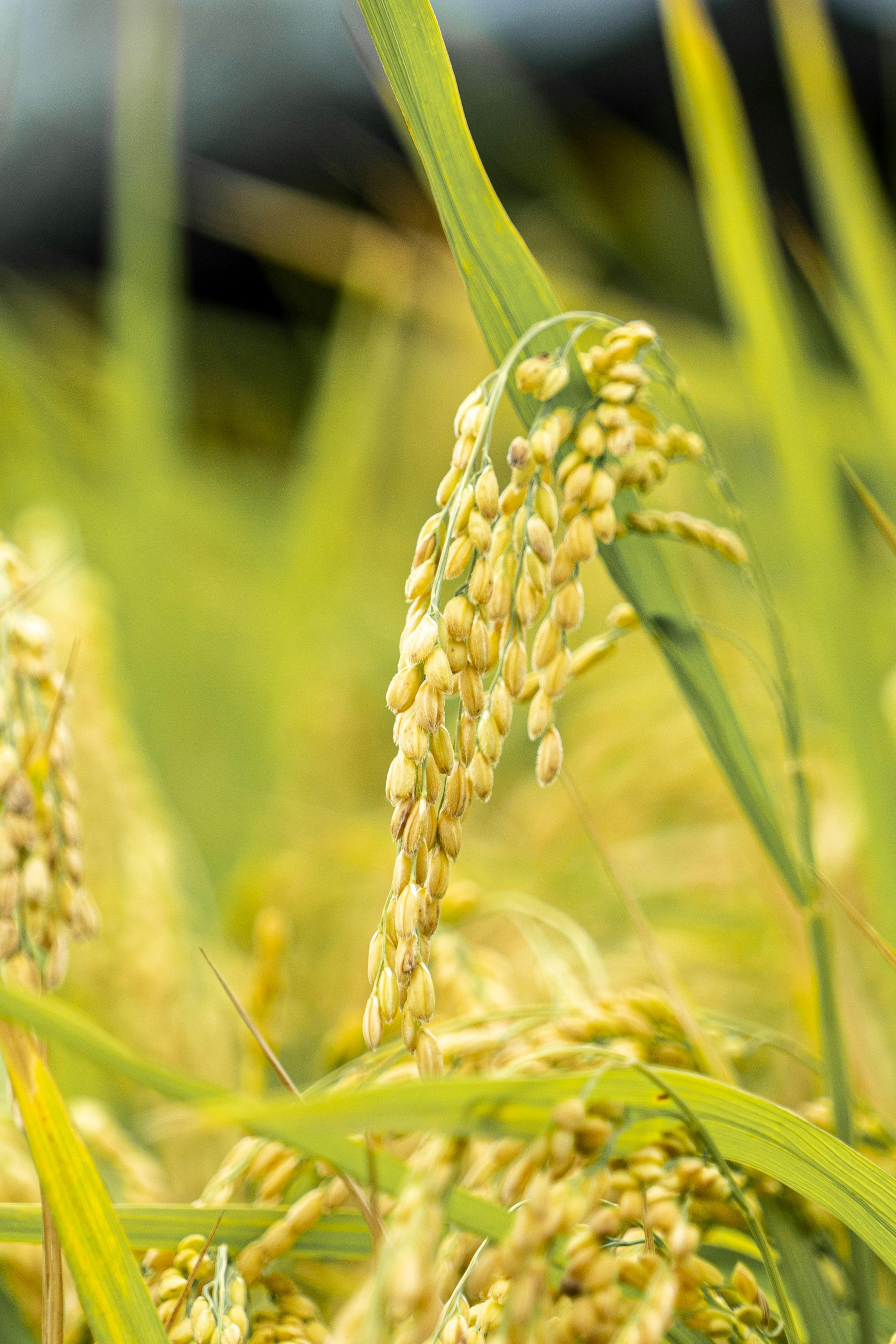
Exploring the Mechanisms of Rice Processing Technology
Rice processing technology has evolved significantly, leveraging innovative mechanisms to enhance efficiency and quality. Central to this transformation is the integration of automated systems that streamline tasks such as milling, husking, and polishing. the use of precision-engineered components ensures that the grains undergo uniform treatment, resulting in minimal breakage and optimal yield. notably, machines equipped with sensors and monitoring tools allow for real-time assessment of grain quality, enabling producers to adjust parameters and maintain consistency throughout the processing cycle.
Another engaging aspect is the role of heat and moisture control in rice processing, which significantly affects the final product’s texture and flavor. Advanced drying machines utilize controlled airflow and temperature to remove moisture without compromising the grain’s integrity.Additionally, various polishing techniques have emerged, utilizing innovative abrasives or friction methods to achieve the desired luster without impacting nutritional value. As technology continues to advance, we may witness the introduction of even more refined mechanisms that enhance both the efficiency and sustainability of rice processing.
| Processing Stage | technology Used | Key Benefits |
|---|---|---|
| Milling | Automated Milling Machines | Reduced grain breakage; high throughput |
| Husking | Air Pressure systems | Improved husk removal; lower energy consumption |
| Polishing | Friction & Abrasive Techniques | Enhanced grain appearance; better shelf-life |

Enhancing Nutritional Value Through Innovative Grain Treatments
innovative grain treatments are reshaping the way we perceive and utilize staple foods such as rice, enhancing their nutritional value and accessibility. By employing advanced processing techniques, we can unlock the full potential of grains, making them not only more digestible but also packed with essential nutrients. Some of the prominent approaches include:
- fortification: Adding vitamins and minerals to rice during processing can significantly improve its nutritional composition.
- Fermentation: This method increases bioavailability of nutrients while also introducing beneficial probiotics.
- Sprouting: Activated grains can boost protein levels and enhance the absorption of vital nutrients.
The effectiveness of these treatments is often measured against conventional rice in terms of both nutritional gains and consumer acceptance. A detailed examination reveals that the fibrous content and vitamins can vary markedly based on the treatment applied. The following table displays a comparison of the nutritional content of traditionally processed rice versus that of fortified rice:
| Type of Rice | Vitamin A (mcg) | Iron (mg) | Protein (g) |
|---|---|---|---|
| Traditional Rice | 0 | 0.2 | 2.7 |
| Fortified Rice | 500 | 3.5 | 4.0 |
With such advancements in processing, consumers are not only provided with more nutrient-dense options but also contribute to long-term health benefits. These innovative treatments ensure that grains are not merely a source of calories but become vital building blocks of a balanced diet, fostering better health outcomes across populations.
Streamlining Efficiency in Rice Processing Operations
In the world of rice processing, maximizing efficiency is paramount to meet the rising global demand for this staple food. By integrating advanced machinery, processors can achieve not only enhanced throughput but also improved quality of the end product. Key innovations in rice processing machines include:
- automated Sorting Systems: These machines utilize optical sensors to meticulously separate high-quality grains from defects, ensuring the final product meets stringent market standards.
- High-Efficiency Husking Machines: Equipped with powerful engines and precision engineering,these machines reduce breakage and enhance yield during husking.
- Continuous Parboiling Units: Designed to operate seamlessly, these units ensure a consistent cooking temperature and time, resulting in uniform grain texture.
- Dust Extraction Systems: These systems not only improve air quality but also minimize product loss, streamlining the processing phase.
Adopting modern rice processing technology leads to significant gains in operational efficiency. The integration of real-time data monitoring and analytics allows for optimized processes that can predict potential bottlenecks. A recent study showcasing efficiency improvements through technological upgrades revealed:
| Technology Implemented | Efficiency Gain (%) |
|---|---|
| Automated Sorting | 25 |
| Husking Optimization | 30 |
| Parboiling System | 20 |
This data clearly indicates that investing in innovative equipment is not just a trend but a vital strategy for rice processors aiming to scale efficiently while ensuring quality remains uncompromised.
Future Trends in Rice Processing Machinery and Sustainability Solutions
As the global demand for rice increases, so does the need for innovative and enduring solutions in rice processing machinery. The future of this industry is leaning towards smart technology and automation, which can enhance efficiency while reducing waste.Key advancements include:
- IoT Integration: Machines equipped with sensors that monitor moisture levels,temperature,and grain quality in real-time.
- Energy-efficient Designs: Emphasizing machines that optimize resource use, reducing energy consumption and lowering carbon footprints.
- Biodegradable Materials: The shift towards using recyclable or compostable components in the manufacturing of processing equipment.
Moreover, these transformations are being complemented by sustainability solutions that focus not just on the processing machinery, but the entire lifecycle of rice production. Future trends will likely see an emphasis on:
- Circular Economy Practices: Refurbishing old machinery to promote reusability and reduce waste.
- Smart Grading Technologies: Automated systems that ensure grains are categorized effectively, reducing losses and optimizing distribution.
- Water Recycling Systems: Innovations designed to reclaim and purify water used during rice processing.
| Innovation | Benefit |
|---|---|
| IoT Monitoring | Real-time data analysis |
| Energy-centric Designs | Lower operational costs |
| Recyclable Materials | Reduced environmental impact |
Final Thoughts
In the intricate dance between nature and innovation, rice processing machines emerge as unsung heroes, transforming humble grains into culinary staples that nourish millions. As we peel back the layers of technology and science that underpin this process, we uncover not just the mechanics of machinery, but the artistry of engineering that ensures quality, efficiency, and sustainability. From the separation of husks to the perfect polishing of grains, each step reflects a deeper understanding of both the grain itself and the needs of the world it feeds.
As we stand on the threshold of further advancements in processing technologies, the future promises even more efficient methods and sustainable practices that honor both our planet and its people.The journey of rice—from field to table—is not just about transformation; it’s a testament to humanity’s relentless pursuit of progress in harmony with nature. With every grain processed, we move closer to a future where food security and environmental stewardship go hand in hand. Thus, as the grain flows through these machines, so too does the potential for a brighter, more sustainable tomorrow.