In a world increasingly shaped by innovation, the humble grain—a staple that has nourished civilizations for millennia—is experiencing a remarkable transformation. At the forefront of this evolution is the modern rice processing machine, a technological marvel designed to refine and revolutionize the way we cultivate, process, and consume one of the planet’s most vital food sources. Gone are the days of labor-intensive, time-consuming methods that defined rice production for generations. Today, cutting-edge machinery not only enhances efficiency, but also improves the quality and consistency of rice, ensuring that this essential crop meets the demands of a growing global population.In this article,we will explore the advancements in rice processing technology,the impact on farmers and consumers alike,and how these innovations are setting the stage for a more sustainable future in food production. As we delve into the intricacies of this transformative journey, we invite you to discover the intersection of tradition and modernity in the business of grains.
Exploring the Evolution of Rice Processing Technology
Rice processing technology has undergone critically important transformations over the decades, making a profound impact on both agricultural practices and food production systems. Traditional methods, often labor-intensive and time-consuming, have gradually given way to mechanized solutions that enhance efficiency and output. The integration of modern machinery allows for streamlined processes such as milling, polishing, and sorting, which not only improve the quality of rice but also minimize post-harvest losses. Innovative machines equipped with advanced technology ensure a cleaner, faster, and more environmentally kind processing experience, paving the way for higher yield per hectare.
Today’s rice processing facilities leverage a plethora of cutting-edge technologies designed to maximize the efficiency of grain transformation. These include:
- Automated Sorting Machines: Utilizing optical sensors, these machines rapidly distinguish rice based on quality, size, and color.
- Rice Millers: Advanced milling machines that reduce breakage while enhancing the sleekness of grains.
- flash Dryers: These systems use hot air to reduce moisture content efficiently, preventing spoilage while maintaining grain integrity.
| Feature | Benefit |
|---|---|
| Energy Efficiency | Reduced operational costs and minimal carbon footprint |
| Precision Control | Enhanced consistency in grain quality and processing time |
| Compact Design | Space-saving layouts suitable for various scales of production |
Key Features of Modern Rice processing Machines
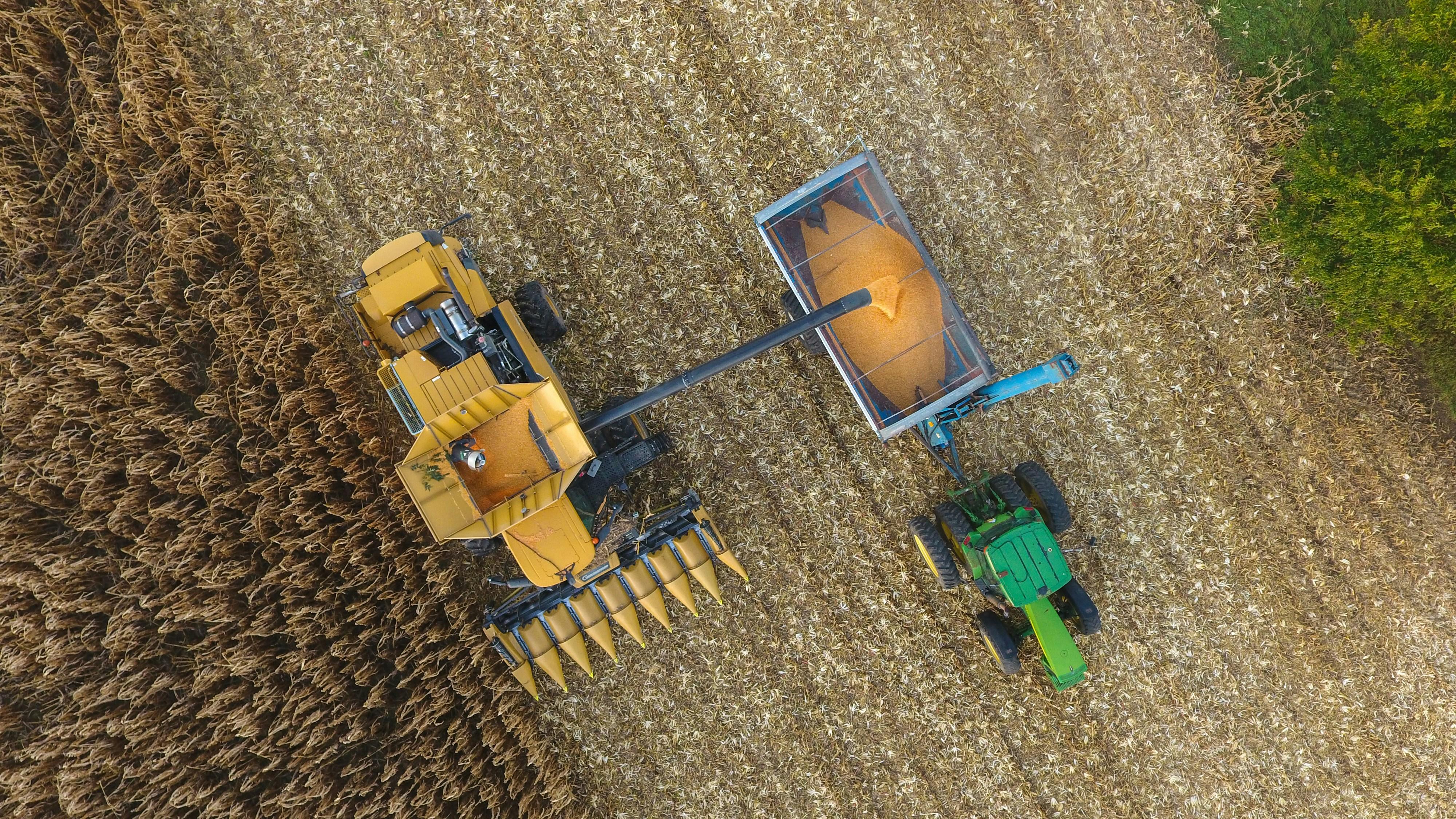
Modern rice processing machines have ushered in an era of efficiency and precision in grain processing. A hallmark of these machines is their ability to automate numerous stages of rice milling, substantially reducing labor costs and operational time. Key attributes include advanced hulling systems that ensure maximum grain yield while minimizing broken rice. Additional features such as high-efficiency whitening and polishing functions enhance the rice’s visual appeal and marketability.
Moreover, contemporary machines are equipped with clever monitoring systems that allow real-time data analysis, enabling operators to adjust parameters for optimal output. Emphasizing sustainability, many machines now incorporate energy-efficient technologies and eco-friendly components. A focus on ease of maintenance and user-friendly interfaces further empowers operators with streamlined workflows, ensuring that processing is not only fast but also reliable.
| Feature | Benefit |
|---|---|
| Automated Systems | Reduces labor and boosts productivity |
| High-Efficiency Hulling | Maximizes yield, minimizes waste |
| Real-Time Monitoring | Optimizes operations and consistency |
| Energy Efficiency | Lower operational costs and environmental impact |
Enhancing Efficiency and Sustainability in Rice Production
In contemporary agriculture, the integration of cutting-edge technology into rice production processes has proven to be a game changer. Modern rice processing machines streamline operations, significantly reducing the time and labor required to produce high-quality rice. Consequently, farmers can now focus on sustainable practices while enhancing their productivity.Features such as precision milling and automated sorting allow for better resource management and minimize waste, contributing to an eco-friendlier rice production cycle. The transition to these machines not only elevates yield but also ensures that operations align with global sustainability goals.
Moreover, the adoption of smart farming techniques when using modern machinery plays a crucial role in optimizing water and energy use. By incorporating data analytics and IoT (Internet of Things) sensors, farmers can monitor real-time conditions and adjust their processes accordingly.This leads to practices such as:
- Efficient water management
- Targeted fertilization
- Reduced greenhouse gas emissions
To illustrate the impact of these advancements,consider the following table highlighting key benefits linked to modern rice processing technologies:
| Benefit | Impact |
|---|---|
| Increased Efficiency | Plenty of rice processed in less time |
| Resource Optimization | Significant reduction in water and energy usage |
| Quality Enhancement | Higher grade rice with better market value |
Future Trends Shaping the Rice Processing Industry
As the rice processing industry evolves,technological advancements continue to play a pivotal role in shaping its future. Automation and smart technologies are at the forefront, streamlining operations and enhancing productivity. With the incorporation of IoT-enabled devices, processors can achieve real-time monitoring and control of their systems, enabling them to optimize workflows and reduce waste. As an example, the use of AI algorithms to predict equipment failures and maintenance needs minimizes downtime and maintains operational efficiency.Additionally, advances in robotics allow for precise handling and sorting of rice grains, ensuring higher quality and reduced damage during processing.
Another significant trend is the increasing emphasis on sustainability and environmentally friendly practices. As consumers become more eco-conscious, rice processors are adopting greener technologies that minimize energy consumption and waste production. Innovations such as biodegradable packaging and water-efficient processing methods are gaining traction. Furthermore, there is a shift towards integrated rice management systems that not only focus on processing but also incorporate sustainable farming practices, creating a more holistic approach to rice production.These shifts not only cater to market demands but also ensure the longevity and resilience of the rice processing industry in the face of climate change.
| Trend | Description |
|---|---|
| Automation | Utilization of IoT devices for real-time monitoring and operational efficiency. |
| Robotics | Precision handling and sorting of grains to enhance quality. |
| Sustainability | Adoption of eco-friendly practices in processing and packaging. |
| Integrated Management | Combining processing with sustainable agricultural practices. |
To Wrap It Up
As we stand at the crossroads of tradition and innovation, the evolution of rice processing technology beckons a new era for the agricultural landscape. The modern rice processing machine revolution embodies not just efficiency and precision, but also a commitment to sustainability and food security. With each grain transformed, these advanced machines are redefining the journey from field to fork, ensuring that quality and quantity go hand in hand.
As we embrace these technological advancements, it becomes increasingly clear that the future of rice processing holds endless possibilities. By harnessing modern machinery, we empower farmers, enhance production, and ultimately contribute to a more robust global food system. As we reflect on the transformative power of these innovations, let us celebrate the harmony between man, machine, and the essential grains that nourish our world. the revolution is not merely about processing rice; it’s about cultivating a sustainable future for generations to come.