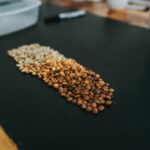
In a world where culinary traditions intertwine with modern innovations, grains take center stage as staples that nourish both body and soul. among these, rice holds a revered place, transcending cultures and cuisines. Yet, not all rice is created equal. Enter the transformative process of parboiling—a technique that elevates the humble grain, enhancing its nutritional profile and culinary versatility.This article delves into the art of parboiled rice processing, unraveling the science behind its creation and the age-old practices that have perfected this method. As we embark on this exploration, we will discover how this simple yet remarkable transformation not only impacts the grains we consume but also shapes the dishes we savor and the livelihoods of those who cultivate them. Join us as we uncover the journey from field too fork, illuminating the intricate steps that make parboiled rice a cherished ingredient across the globe.
Understanding the Parboiling process and Its benefits
Parboiling is a meticulous process that entails soaking, steaming, and drying grains before they are fully milled. This method not only enhances the culinary characteristics of rice but also boosts its nutritional profile. The soaking phase allows the grains to absorb water, which is integral for the subsequent steaming phase, where heat is applied to gelatinize the starches within. As the rice dries, it retains its nutritional benefits, which might otherwise be lost during typical milling processes. By subjecting the grains to heat while they are still in their husk, a critically important number of vitamins and minerals are effectively absorbed into the rice, enriching its overall nutritional value.
The advantages of parboiling extend far beyond nutrition alone. through this technique, rice typically exhibits improved texture and fluffiness once cooked, ensuring that each grain remains separate—an essential quality for many rice dishes. Additionally, parboiled rice boasts increased shelf life, reducing susceptibility to insect infestation and spoilage. This is largely due to the inactivation of certain enzymes during the steaming phase, which helps preserve the flavor and prevents rancidity. As a versatile choice, parboiled rice is not only favored for its cooking qualities but is also seen as a enduring option that caters to the growing demand for healthier grain products.
| Benefits of Parboiling | Description |
|---|---|
| Nutritional Enhancement | Increased vitamin and mineral retention. |
| Improved Texture | Fluffier and more distinct grains when cooked. |
| Extended Shelf Life | Reduced risk of spoilage and infestation. |
| Flavor Preservation | Maintains taste profile longer than white rice. |

Key Techniques for Optimal Grain Preparation and Parboiling
To achieve the perfect parboiled rice, optimal grain preparation is essential. Start by selecting high-quality rice grains, as this foundation will significantly influence the final product. Before parboiling, ensure you wash and soak the rice, removing impurities and excess starch. This preparation helps prevent clumping and improves the overall texture post-cooking. After soaking for several hours, drain the rice, allowing any remaining water to evaporate. This step ensures that the grains absorb moisture evenly during the parboiling process, resulting in uniform cooking and enhanced flavor.
Next, carefully move on to the parboiling stage, which consists of three primary phases: steaming, soaking, and drying.Steaming the soaked rice allows the starches to gelatinize, which strengthens the grain and makes it less prone to breaking. Following this,immerse the rice in hot water for an extended period to ensure each grain is permeated with moisture. dry the parboiled rice thoroughly; this not only preserves the grains but also promotes better shelf life. Consider using a drying table for efficiency, ensuring an optimal surroundings with adequate air circulation:
| Drying Method | Benefits |
|---|---|
| Sun Drying | Cost-effective and natural moisture removal. |
| Mechanical Drying | Faster process; excellent control over moisture content. |
| Air Drying | Minimizes risk of spoilage when done in a controlled environment. |
Nutritional advantages of Parboiled Rice for Health-Conscious Consumers
For health-conscious consumers, parboiled rice offers a myriad of nutritional benefits that set it apart from other rice varieties. During the parboiling process, the rice grains are steamed and dried before milling, allowing nutrients from the husk to seep into the rice itself. This unique method enhances the nutritional profile of the grains, making them richer in vitamins and minerals. Some of the key advantages include:
- Higher Fiber Content: Parboiled rice retains more fiber compared to white rice, promoting better digestion.
- Increased Manganese and Magnesium: Essential minerals crucial for various bodily functions are found in higher quantities.
- Lower Glycemic index: This results in slower spikes in blood sugar levels, beneficial for diabetes management.
Along with its nutritional advantages, parboiled rice boasts a firm texture and a distinct flavor that can enhance culinary experiences. It also provides greater satiety due to its complexity of carbohydrates, contributing to longer-lasting energy levels and reducing the likelihood of overeating. The table below highlights a fast nutritional comparison of parboiled rice versus regular white rice:
| Nutrient | Parboiled Rice (per 100g) | White Rice (per 100g) |
|---|---|---|
| Calories | 123 | 130 |
| Fiber | 2.0g | 0.6g |
| Carbohydrates | 27.2g | 28.7g |
| Protein | 2.5g | 2.7g |
| Manganese | 0.7mg | 0.5mg |
Best Practices for Enhancing Flavor and Texture in Parboiled Rice Dishes
To elevate the flavor and texture of parboiled rice dishes, one must consider the foundational elements of the cooking process. Soaking the rice in seasoned water prior to cooking can infuse it with an additional layer of flavor, allowing aromatic herbs and spices to seep into the grains. Techniques such as toasting the rice in a bit of oil or butter before adding water can impart a nutty quality and enhance its overall richness. Furthermore, adjusting the water-to-rice ratio can significantly impact the texture; a slightly lesser amount of water will yield firmer grains, ideal for salads and stir-fries, while a bit more water can create a wonderfully fluffy consistency perfect for serving alongside saucy dishes.
Incorporating various components during the cooking process can also improve both flavor and texture dramatically. Consider adding broth or stock instead of plain water, and enhance it with herbs like thyme or tarragon for an aromatic twist.Mixing in a handful of finely chopped vegetables, such as bell peppers or carrots, not only adds color and nutrition but also contributes a subtle crunch that contrasts beautifully with the soft grains. A final touch can be achieved by garnishing your dish with fresh herbs or a squeeze of citrus juice,providing a vibrant burst that brightens flavors and elevates the entire dining experience.
In Retrospect
As we conclude our exploration of parboiled rice processing, it’s evident that this seemingly simple grain carries a story of transformation that goes far beyond the kitchen. The art of parboiling is a meticulous process steeped in tradition and science, enhancing the nutritional profile and culinary versatility of rice while preserving the essence of the grain itself. Each step, from soaking and steaming to drying and milling, reflects a delicate balance between innovation and time-honored practices, underscoring the importance of respecting both the land and its bounty.
In a world increasingly drawn to sustainable and nutritious food choices, parboiled rice stands as a testament to the ongoing evolution of grain processing. By harnessing the age-old techniques and marrying them with modern advancements, we can appreciate not only the grains we consume but also the communities and cultures that shape them.
As you venture into your next culinary endeavor, take a moment to reflect on the journey of your grains—from field to table—and embrace the rich tapestry of flavors and traditions that accompany parboiled rice. In every bite, there lies an invitation to savor the art of transformation, celebrating the labor that brings this staple of sustenance to life.