In the heart of agricultural innovation lies a transformation as vital as the grains themselves: the processing of rice. With its significance as a staple food for over half of the world’s population, the journey from paddy to plate is not just a matter of cultivation but also a symphony of technology and tradition.Enter rice processing machines—unsung heroes in this intricate dance.These machines play a crucial role in enhancing quality, ensuring food safety, and maximizing yield, thereby shaping the future of global food security. As we delve into the world of rice processing, we explore how these advanced technologies are revolutionizing the grain industry, bridging the gap between harvest and nourishment, and setting the stage for a more enduring agricultural landscape. Join us as we uncover the essential role of rice processing machines in transforming grain into the lifeblood of countless communities.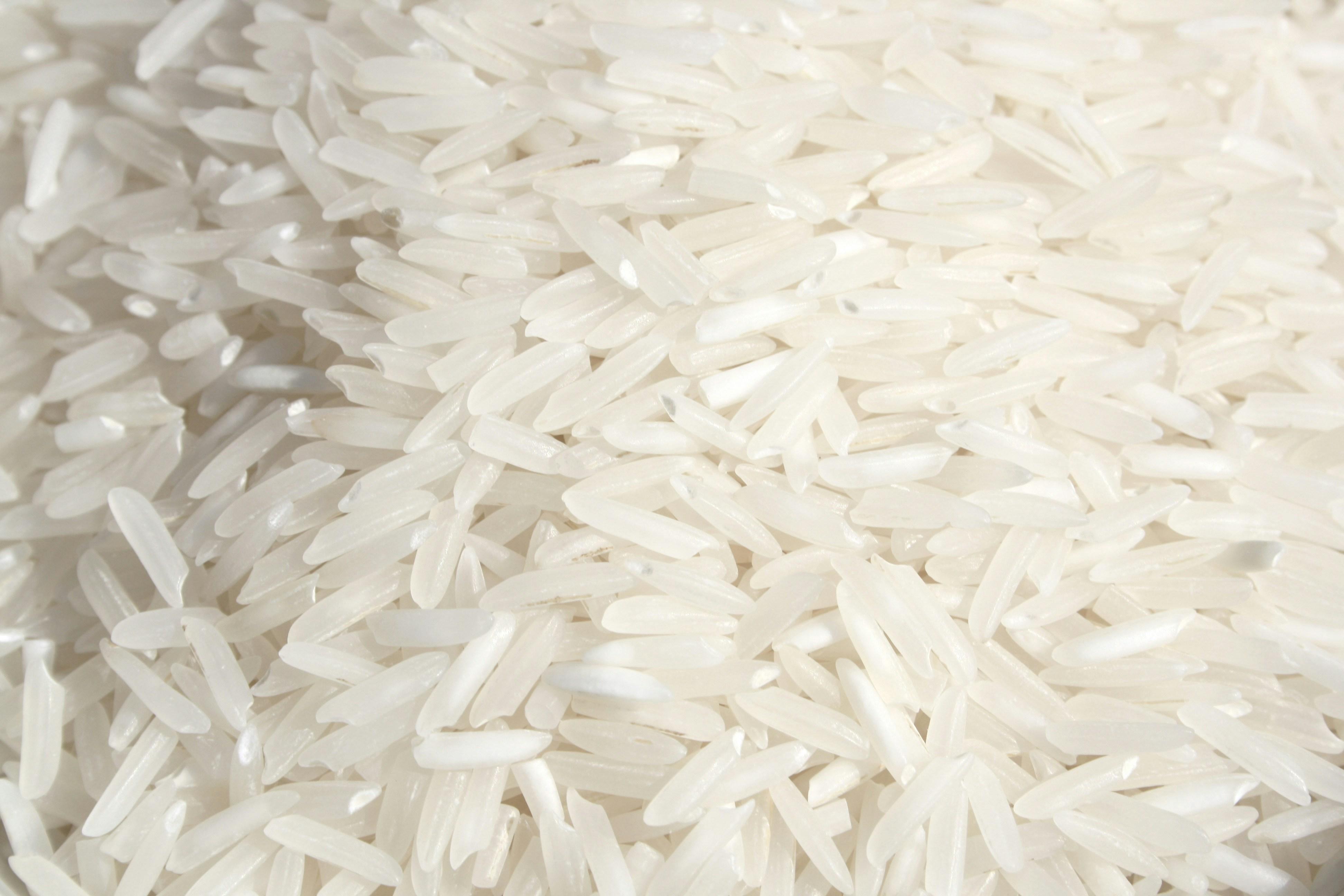
The Evolution of Rice Processing Technology and Its Impact on Quality
Over the years, rice processing technology has undergone a remarkable transformation, driven by the integration of advanced machinery and techniques that enhance efficiency while preserving the grain’s quality. Initially, rice was processed using rudimentary methods that relied heavily on manual labor.Though, the introduction of mechanization in post-harvest processing has revolutionized the industry. Today, machines such as paddy separators, huskers, and whiteners work in tandem to streamline the entire process, resulting in less breakage and improved overall yield. With the use of precision milling technologies, producers can ensure that each grain meets stringent quality standards, minimizing losses and maximizing profit margins.
The impact of these advancements on rice quality is profound, as modern processing techniques allow for better control of factors such as moisture content and texture. Technologies that monitor and adjust the processing environment are now commonplace, further enhancing quality outcomes. Some essential benefits include:
- Reduced grain breakage: Efficient milling reduces the production of broken rice.
- Improved nutritional retention: Modern processors minimize nutrient loss during milling.
- Enhanced shelf life: Advanced techniques help prevent spoilage and extend freshness.
The continuous evolution in rice processing technology not only increases productivity but also contributes to a sustainable supply chain by reducing waste and energy consumption. As producers adopt these innovations, the rice industry moves towards a future where quality is consistently improved, meeting ever-changing consumer demands.

Key Components of Efficient Rice Processing Machines
Rice processing machines are crucial in ensuring that grains are converted from their raw state into a form suitable for consumption. At the heart of these machines are several key components that enhance their efficiency and effectiveness. Hulling machines are designed to remove the outer husk of paddy rice, providing the first step in the milling process. Following this, milling machines play a critical role in generating the polished white rice that consumers prefer. Additionally, cleaning systems help eliminate foreign materials and impurities, ensuring that the final product is of high quality. Each component works in harmony to transform paddy rice into a market-ready product.
An equally vital aspect of rice processing machines is their ability to promote sustainability and cost-effectiveness. Energy-efficient motors are vital, as they considerably reduce power consumption while maintaining high output levels.Automated control systems allow for precise adjustments throughout the processing stages, maximizing yield and reducing waste. Furthermore, modular designs enable easy upgrades and maintenance, ensuring that the machinery remains relevant amidst advancing technologies. With these components, rice processing machines not only streamline production but also enhance overall operational efficiency.
Sustainable Practices in Rice Processing for a Greener Future
In the realm of rice processing, adopting eco-friendly techniques plays a pivotal role in promoting sustainability. By integrating energy-efficient machines and renewable resources, producers can significantly reduce their carbon footprint. Innovations such as solar-powered drying systems and biofuel-driven milling equipment not only lessen dependency on fossil fuels but also enhance operational efficiency. Embracing these technologies allows rice processors to minimize waste and optimize resource usage, making a tangible impact on environmental conservation.
Moreover, sustainable practices in rice processing extend beyond machinery to encompass entire production processes. Implementing waste valorization strategies, such as utilizing rice husks for bioenergy or composting, ensures that by-products are repurposed effectively. Key strategies include:
- Water Conservation: Utilizing closed-loop water systems to minimize consumption.
- Organic Certification: Shifting towards organic cultivation practices that reduce chemical inputs.
- Eco-friendly Packaging: Choosing biodegradable or recyclable packaging options to further decrease waste.
These methods exemplify the shift towards a more responsible rice processing system, ultimately contributing to a greener future. By investing in sustainable machinery and practices, the industry can not only meet the demands of an environmentally conscious consumer base but also ensure the well-being of the planet.
Investing in innovation: Choosing the Right Rice Processing Equipment
Investing in the right rice processing equipment is crucial for optimizing production and ensuring quality. With a myriad of options available, producers must consider several factors to make informed decisions.Here are some key considerations:
- Capacity: Determine the processing volume required to meet demand efficiently.
- Technology Adaptability: Opt for machines that incorporate the latest technology, such as automation and energy efficiency.
- Maintenance and Durability: Select equipment that minimizes downtime and is constructed with high-quality materials.
beyond these basic aspects, prospective buyers should also evaluate the reliability of the manufacturer and the availability of after-sales support. Reliable customer service can dramatically simplify troubleshooting and maintenance. Reviewing case studies or testimonials can provide insights into how different machines perform in real-world scenarios. Additionally, consider the long-term operational costs, as investing slightly more upfront in superior technology may lead to substantial savings over time.
| Feature | Basic Model | Advanced model |
|---|---|---|
| Processing Speed | 200 kg/hour | 500 kg/hour |
| Operator Requirement | 1-2 | Automated |
| Energy Consumption | High | Low |
Key Takeaways
As we conclude our exploration into the world of rice processing machines, it becomes clear that these innovative technologies are not just tools; they are the backbone of a crucial industry that nourishes billions across the globe.The journey from paddy to plate involves a complex interplay of machinery and craftsmanship, underscoring the importance of precision and efficiency in every step of the process.by transforming raw grain into a staple that sustains diverse cultures and communities, rice processing machines not only enhance productivity but also preserve the rich traditions associated with rice cultivation and consumption. As we look toward the future, the ongoing evolution of these machines holds the promise of meeting the rising global demand for food while embracing sustainability and technological advancement.
In an ever-changing landscape, it is vital to acknowledge the essential role that these machines play—not only in feeding the present but also in securing the future. As we innovate and adapt, let us continue to celebrate the remarkable journey of grain transformation, recognizing its profound impact on our lives and the world around us. After all, in every grain of rice lies the story of human ingenuity, resilience, and the shared quest for nourishment.