
In the heart of agricultural landscapes, where the golden hues of ripe rice sway gently in the breeze, lies a hidden world of innovation and technology: the modern rice processing plant. This dynamic facility serves as a crucial nexus between the farmer’s field and our dinner plates, transforming harvested grain into a staple commodity cherished by cultures across the globe. Here, tradition meets precision as time-honored practices and cutting-edge machinery converge to enhance quality, efficiency, and sustainability. From the initial sorting of rough grains to the final polished product, the journey of rice through this intricate process reveals not only the craftsmanship behind its transformation but also the evolving methods that ensure food security in an ever-changing world. Join us as we delve into the inner workings of these modern marvels, exploring how they are revolutionizing the grain industry while honoring the rich heritage of rice cultivation.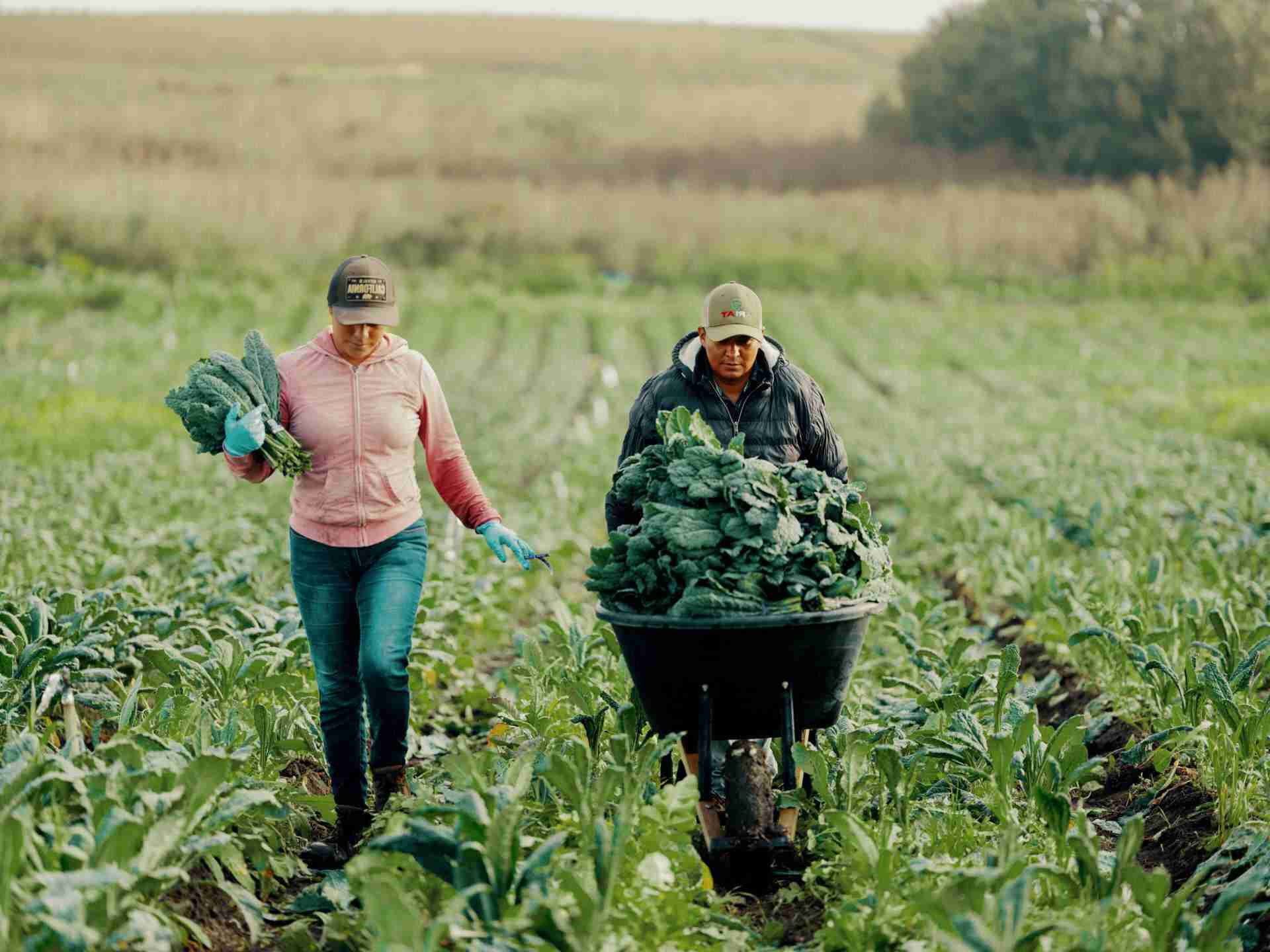
Understanding the Journey from Harvest to Table
In the modern rice processing plant, the journey from harvest to table is a complex dance of machinery and human skill, intricately designed to transform raw grain into the delicious staple we find on our dining tables. The process begins with the careful collection of rice stalks, ensuring a select quality from the outset. Once in the processing facility, the grains undergo several meticulous steps designed to enhance their flavor, texture, and nutritional profile:
- Hulling: Removing the outer husk of the rice, this stage is vital for revealing the edible grain.
- Brown Rice Production: Skipping the polishing step creates brown rice, which retains its bran layer, offering a nutty flavor and higher nutritional benefits.
- Polishing: A glossy outer layer is added, improving the aesthetics and shelf life but removing some nutrients.
Once polished, the rice is sorted and packaged using advanced technology to ensure uniformity and quality control. Automated systems facilitate rapid processing while maintaining accuracy, utilizing color-sorting and weight-sorting machines that efficiently eliminate impurities. Flowcharts illustrate this intricate process in action, with each stage represented, ensuring transparency and traceability:
| Processing Stage | Description |
|---|---|
| Hulling | Removal of outer husk. |
| Brown Rice Production | Retains bran; more nutritious. |
| Polishing | Enhances appearance; somewhat nutrient loss. |
| Sorting | Quality control through advanced technology. |

Innovations in Milling Technology for Enhanced Efficiency
Modern milling technology has taken significant strides in recent years, offering novel approaches to enhance the efficiency of rice processing plants. Advanced machinery now integrates cutting-edge sensors and automation systems that monitor grain quality in real time, allowing millers to make swift adjustments during processing. This dynamic interaction not only optimizes output but also significantly reduces waste through precise calibration of milling parameters. Key innovations in this area include:
- Digital Grain Quality Analysis: Automated systems assess moisture content and grain integrity, ensuring only the best grains are processed.
- Energy-efficient Mills: New designs focus on minimizing energy consumption, using less power while maintaining high throughput.
- Modular Milling Systems: These adaptable setups allow for easy upgrades and expansions as demand increases.
Moreover, the implementation of IoT (Internet of Things) technology in milling processes creates a connected ecosystem where machinery communicates seamlessly to streamline operations. Real-time data analytics enhance decision-making capabilities, providing insights that help millers adapt to market changes swiftly. The advantages of this intelligent integration can be summarized in the following table:
| Feature | Benefit |
|---|---|
| Real-Time Monitoring | Adjusts processing parameters on-the-fly, reducing grain loss. |
| Predictive Maintenance | Anticipates equipment failures, minimizing downtime. |
| Data-Driven Insights | Guides operational strategies for maximum efficiency. |
Sustainable Practices that Shape the Future of Rice Processing
In the heart of modern rice processing plants, sustainable practices are redefining operational efficiency and environmental stewardship. By embracing innovative technologies, these facilities are not only enhancing productivity but also minimizing their ecological footprint. Some of the key sustainable strategies include:
- Water Conservation: Implementing advanced irrigation systems and water recycling technologies significantly reduces water usage.
- Energy Efficiency: Utilizing renewable energy sources like solar and biomass to power processing operations lowers carbon emissions.
- Waste Management: Recycling by-products such as rice husk and straw into energy or organic fertilizers promotes a circular economy.
Moreover, thriving rice processing plants are investing in eco-friendly machinery that reduces waste and enhances overall efficiency. For instance, steam and pressure cooking methods are gaining popularity due to their ability to extract more from the grain while minimizing loss. These plants are also focused on:
| Aspect | Traditional Methods | Sustainable Innovations |
|---|---|---|
| Energy Consumption | High fossil fuel reliance | Solar and biofuel applications |
| Water Usage | Excessive, inefficient | Drip irrigation and rainwater harvesting |
| Waste Generation | High volume, minimal recycling | By-product utilization for energy and composting |
By integrating these sustainable innovations, rice processing plants pave the way for a more responsible agricultural future, setting an example for other sectors to follow. These practices create a holistic approach to food production, ensuring that environmental health, economic viability, and social responsibility coexist within the industry.
Quality Control Measures for Superior Grain Products
In a modern rice processing plant, the pursuit of excellence begins with meticulous quality control measures at every stage of production. From the moment grains arrive at the facility, they undergo a rigorous inspection process. This initial assessment involves the sorting of grains to remove impurities and substandard products. Key measures include:
- Visual Inspection: Trained personnel carefully examine each batch for foreign materials, discolorations, and any signs of spoilage.
- Moisture Testing: The moisture content of the grains is tested using advanced moisture meters to ensure optimal storage conditions and prevent spoilage.
- Sample Analysis: Random samples are taken for laboratory analysis to detect microbial contamination, ensuring food safety standards are met.
Beyond initial inspections, ongoing quality assurance processes are vital for maintaining product integrity throughout production. Automated systems play a crucial role in enhancing consistency and efficiency. Notable practices include:
- Automated Sorting: High-tech sorting machines equipped with optical sensors identify and remove defective grains, ensuring only the best make it to packaging.
- Regular Maintenance Checks: Equipment undergoes routine inspections and maintenance to minimize downtime and maintain production quality.
- Feedback Loops: Quality control teams analyze data from production runs to implement necessary adjustments in real time, optimizing processes.
| Quality Control Activity | Frequency |
|---|---|
| Visual Inspection | Per Batch |
| Moisture Testing | Hourly |
| Sample Analysis | Daily |
| Automated Sorting | Continuous |
Wrapping Up
As we conclude our journey through the intricate world of modern rice processing, we are reminded that grain, in its simplest form, holds within it a tapestry of stories—of farmers, communities, and cultures woven together by the humble grain. The modern rice processing plant stands as a testament to innovation and tradition, transforming raw harvests into the staple that sustains millions. With each grain that passes through sophisticated machinery, we witness a blend of technology and craftsmanship, ensuring that quality and nutrition remain paramount.
In the pursuit of efficiency and sustainability, these facilities illuminate the path toward a more resilient food system, one that honors the past while embracing the future. As we look ahead, the transformations underway in rice processing reflect a broader commitment to addressing global challenges, from food security to environmental stewardship.
Thus, the story of rice is not merely about the grain itself, but about the ecosystem of knowledge, labor, and technology that it nurtures. As we partake of this essential crop, let us appreciate the journey it undertakes—from field to plate—each step a silent reminder of the artistry and science that feeds our world. Thank you for joining us in this exploration, and may the grains of rice continue to inspire and nourish us for generations to come.




