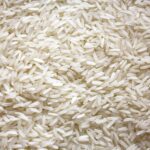
Rice, the humble grain that sustains billions around the world, undergoes a complex transformation before it reaches our plates. From paddies to polished grains, the art of rice processing is a delicate dance of tradition and technology. Join us as we delve into the fascinating world of how this staple food is meticulously cultivated, harvested, and transformed into the perfect companion for any meal.
The Importance of Proper Rice Cleaning
Proper rice cleaning is the cornerstone of high-quality rice processing. By meticulously cleaning each grain, you ensure that your final product is free from debris, impurities, and unwanted particles. This not only enhances the overall appearance of the rice but also improves its taste and texture.
When you take the time to clean your rice properly, you also prolong its shelf life and prevent the growth of mold and bacteria. This is essential for ensuring that your rice stays fresh and safe for consumption. Additionally, removing excess starch and surface contaminants through cleaning helps promote even cooking and prevents sticking. Remember, the art of rice processing begins with thorough cleaning!

Optimizing Water Ratio for Perfectly Cooked Rice
When it comes to cooking rice, getting the water ratio just right is crucial for achieving perfectly cooked grains. The secret lies in finding the balance between too much water, which can result in mushy rice, and too little water, which can leave you with undercooked, crunchy grains. Follow these tips to master the art of rice processing and optimize your water ratio:
- Rinse the rice: Before cooking, rinse the rice under cold water to remove excess starch. This will prevent the rice from becoming too sticky and help it cook more evenly.
- Use the right amount of water: The general rule of thumb is to use a 1:2 ratio of rice to water. However, this can vary depending on the type of rice you are using. Consult the packaging or recipe for specific guidelines.
- Let it rest: Once the rice is cooked, let it rest off the heat for a few minutes with the lid on. This will allow the grains to steam and absorb any remaining moisture, resulting in fluffy, perfect rice.

Mastering the Technique of Rice Steaming
Steaming rice is not just a cooking technique; it’s an art form that requires precision, patience, and practice. To truly master the technique of rice steaming, you must understand the importance of the water-to-rice ratio, the optimal cooking time, and the right temperature for steaming. Here are some tips to help you perfect your rice steaming skills:
- Use a good quality rice cooker or steamer to ensure even cooking.
- Rinse the rice thoroughly before steaming to remove excess starch.
- Measure the water accurately using the recommended ratio for the type of rice you are cooking.
- Cover the rice and water with a tight-fitting lid to trap the steam and cook the rice evenly.
| Rice Type | Water-to-Rice Ratio |
|---|---|
| Short grain white rice | 1:1.25 |
| Basmati rice | 1:1.5 |
| Brown rice | 1:2 |
By following these tips and experimenting with different rice varieties, you’ll soon become a master of the art of rice processing. With practice, patience, and a little creativity, you’ll be able to produce perfectly steamed rice every time, making your meals truly delicious and satisfying.
Enhancing Flavor and Texture Through Rice Milling
Rice milling is a delicate process that goes beyond simply removing the outer husk of the grain. It is an art form that aims to enhance the flavor and texture of rice, turning it into a premium product that is sought after by chefs and consumers alike.
Through precise milling techniques, rice can be polished to perfection, removing any impurities and creating a smooth, shiny surface that reflects light. This not only improves the visual appeal of the rice but also enhances its texture, making it fluffy and light when cooked. Additionally, the milling process can help release the natural oils and aromas trapped within the grain, resulting in a more fragrant and flavorful final product.
The Way Forward
As we conclude our exploration into the intricate world of rice processing, we are reminded of the craftsmanship and dedication that goes into this age-old art form. From the planting of the seed to the polishing of the grain, each step in the process requires skill and precision to produce the perfect bowl of rice. Whether enjoyed steamed, fried, or rolled into sushi, rice has been a staple in diets around the world for centuries. And as we continue to appreciate the importance of this humble grain, let us also recognize and honor the hard work of those who bring it to our tables. Let us savor each grain of rice, knowing the craftsmanship and artistry that went into its creation. And let us continue to celebrate the art of rice processing for generations to come.