
Inside the Parboiled Rice Processing Plant: A Closer Look
Nestled in the heart of agricultural production, where golden fields of rice sway gently in the breeze, lies a bustling hub of innovation and tradition: the parboiled rice processing plant. This facility stands as a testament to the intricate balance between nature and technology, where simple grains undergo a transformative journey that amplifies their nutritional value and enhances their culinary potential. As we peel back the layers of this complex operation, we invite you to join us on an enlightening exploration of the processes, machinery, and people that breathe life into the humble grain. From the initial steaming that sets the stage for quality to the meticulous sorting and packaging that follow, we will delve into the meticulous world of parboiled rice processing and uncover the secrets behind one of the world’s staple foods. Buckle up as we embark on a journey that promises to reveal not only how parboiled rice is made but also why it holds a cherished place on tables across the globe.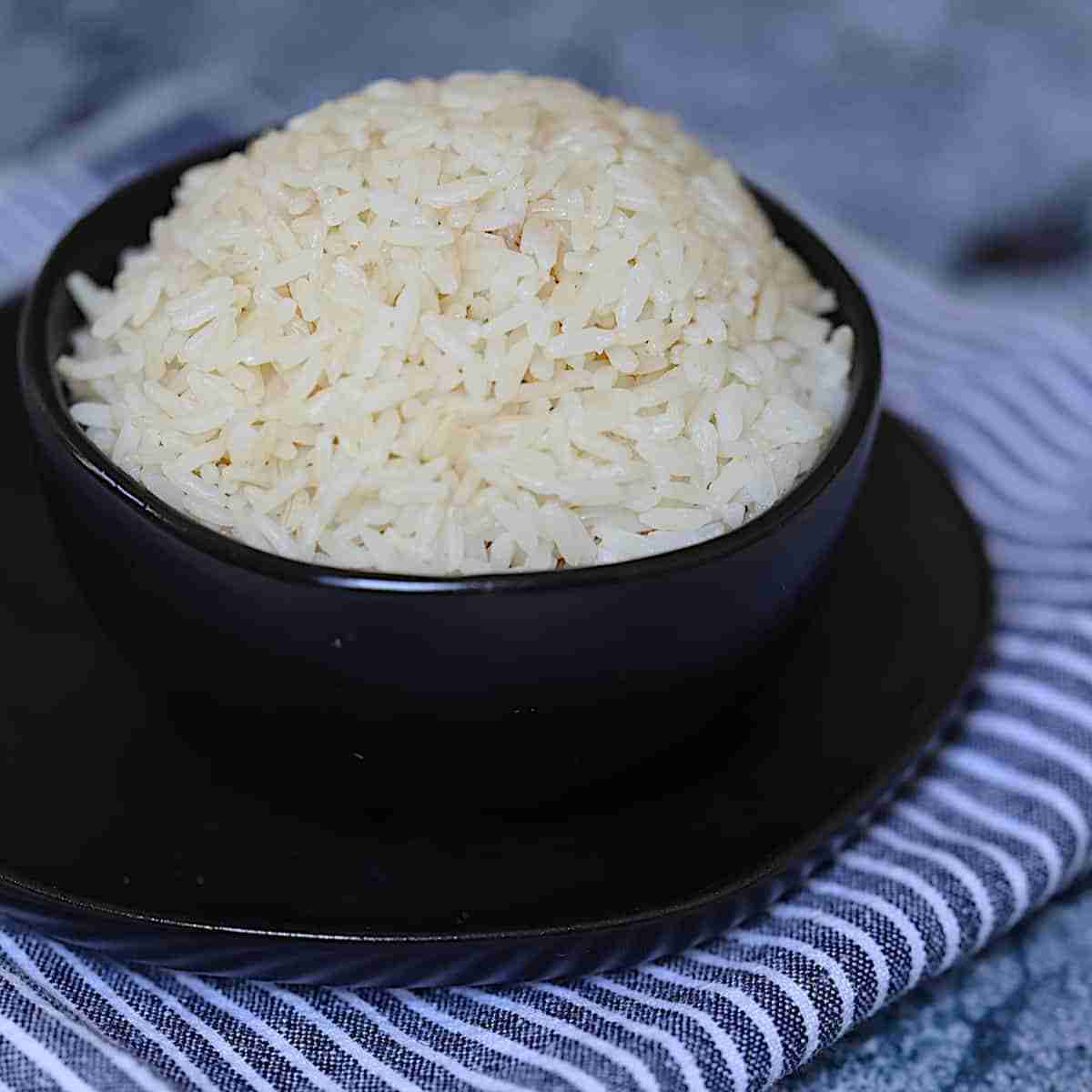
Exploring the Workflow: Anatomy of a Parboiled Rice Processing Facility
Within the heart of a parboiled rice processing facility, a detailed and systematic workflow unfolds, transforming raw paddy into the golden grains that adorn countless plates worldwide. The journey begins with the careful selection and cleaning of raw rice, where impurities such as stones, dirt, and unwanted grains are meticulously removed. Following this, the paddy is subjected to a process known as steaming, where it is soaked and heated under pressure to initiate gelatinization. This crucial step not only enhances the nutritional profile of the rice but also prevents breakage during subsequent milling and cooking. Once steamed, the grains are dried to precisely controlled moisture levels, ensuring optimal quality and longevity.
After drying, the processed rice enters the milling phase, which involves the removal of the husk and bran layers using specialized machinery. The facility is equipped with modern equipment designed to maximize efficiency, including abrasive hullers and polishers that refine the rice while preserving its essential nutrients. Additionally, quality checks are routinely performed to maintain a high standard, which can involve sorting rice by size and color. The final stage is packaging, where the parboiled rice is carefully weighed and sealed, ready for distribution. This intricate symphony of steps showcases how a blend of tradition and technology comes together, delivering a product that is both nutritious and versatile.
| Process Step | Description |
|---|---|
| Selection | Removing impurities from raw paddy. |
| Steaming | Preparing grains for gelatinization. |
| Drying | Achieving optimal moisture content. |
| Milling | Removing husk and bran layers. |
| Packaging | Sealing and preparing for distribution. |

Quality Control Measures: Ensuring Consistency and Safety in Parboiled Rice
In the intricate world of parboiled rice processing, adhering to strict quality control measures is paramount for guaranteeing the grain’s consistency and safety. At the heart of these measures are comprehensive inspection protocols that encompass every stage of production. Detailed procedures are implemented, including:
- Raw Material Inspection: Incoming rice is evaluated for moisture content, impurities, and grain quality.
- Processing Monitoring: Each processing step, from soaking to steaming, is monitored using advanced technology to ensure optimal conditions.
- Final Product Testing: Parboiled rice samples are subjected to rigorous tests for taste, texture, and nutritional value.
To maintain top-notch standards, plants often implement a feedback loop that involves routine audits and consumer feedback mechanisms. This strategic approach allows producers to continuously enhance their quality protocols and rectify any deviations swiftly. A summary of this approach can be illustrated in the following table:
| Quality Control Step | Purpose | Frequency |
|---|---|---|
| Raw Material Inspection | Ensure high-quality input | Every batch |
| Processing Monitoring | Maintain optimal processing conditions | Continuous |
| Final Product Testing | Verify quality and safety | At completion of each batch |
These measures not only bolster consumer confidence but also contribute to the overall integrity of the parboiled rice industry, reinforcing a commitment to excellence and safety in every grain produced.
Technological Innovations: Enhancing Efficiency in Rice Processing Operations
In the realm of rice processing, technological innovations have transformed traditional methods into streamlined, efficient operations. Advanced machinery such as automated parboilers and continuous dryers are optimizing the cooking and drying phases of parboiled rice production. These innovations not only improve throughput but also enhance the quality of the end product, ensuring a consistent texture and flavor. By incorporating precision sensors and data analytics, plant operators can monitor performance in real time, leading to reduced waste and increased yield. This shift towards smart technology represents a significant step forward in addressing the challenges faced by rice processors worldwide.
Furthermore, integration of robotic systems for packaging and sorting has revolutionized the packing process, dramatically decreasing labor costs while improving accuracy. By employing machine learning algorithms, these systems can adapt to varying sizes and types of rice, ensuring that products are packaged efficiently for retail. The table below highlights some of the key innovations currently reshaping the rice processing industry:
| Innovation | Description | Benefits |
|---|---|---|
| Automated Parboilers | Machines that control heat and water levels for optimal parboiling. | Consistent quality, reduced labor. |
| Continuous Dryers | Systems that provide steady airflow and temperature control. | Faster drying times, lower energy consumption. |
| Robotic Packaging | Use of robots for sorting and packing rice into bags. | Reduced labor costs, enhanced accuracy in packaging. |
| Precision Sensors | Devices that monitor temperature, humidity, and other factors. | Real-time data for improved decision-making. |
Sustainable Practices: Reducing Environmental Impact in Rice Production
In the realm of rice production, sustainable practices play a crucial role in mitigating environmental impacts while ensuring the quality of the final product. Many parboiled rice processing facilities are now adopting eco-friendly methods that prioritize resource efficiency and minimize waste. By utilizing renewable energy sources, such as solar panels and biomass, these plants significantly reduce their carbon footprint. Additionally, integrating advanced technology enables precise water management systems which help in conserving water resources during both the milling and parboiling processes.
Moreover, there is a strong emphasis on waste management and recycling within these facilities. Implementing the following practices enhances sustainability:
- Crop Rotation: Enhances soil health, reducing the need for chemical fertilizers.
- Water Filtration Systems: Treat wastewater before reuse in irrigation.
- Biomass Utilization: Converts byproducts into energy, eliminating landfill waste.
Furthermore, partnerships with local farmers foster a community-focused approach, ensuring that sustainable agricultural practices are upheld. This holistic methodology not only benefits the environment but also creates a circular economy where resources are reused efficiently, paving the way for a more sustainable future in rice production.
The Way Forward
As we conclude our journey through the intricate world of parboiled rice processing, we are left with a deeper appreciation for the complexities and precision involved in transforming raw grain into a staple that graces tables around the globe. From the initial soaking to the final packaging, each step in the processing plant plays a vital role in ensuring quality and consistency, reflecting the dedication of those who labor behind the scenes.
This exploration not only highlights the technological advancements that enhance the efficiency of rice processing but also emphasizes the value of sustainability in meeting the demands of a growing population. As we look towards the future of food production, the insights gained from our visit serve as a reminder of the intricate connections between agriculture, industry, and nourishment.
In a world where the journey from farm to table is increasingly scrutinized, understanding the processes that underpin our food sources empowers us as consumers. So, the next time you enjoy a steaming bowl of parboiled rice, take a moment to appreciate the journey it has undertaken—one that involves skill, innovation, and a commitment to quality. Thank you for joining us on this exploration; we hope it has sparked your curiosity about the food that nourishes us every day.




