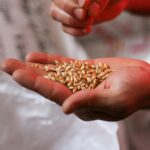
Inside a Parboiled Rice Processing Plant: Innovations and Insights
In the heart of the agricultural landscape, where the rhythms of nature intertwine with the pulse of innovation, lies a fascinating realm that transforms humble grains into staple food. Parboiled rice, a nutritional powerhouse cherished across cultures, owes its vibrant texture and enhanced flavor to a meticulous processing journey. This article invites you to step behind the scenes of a parboiled rice processing plant, where tradition meets technology. As we explore the intricate processes, state-of-the-art machinery, and sustainable practices that redefine rice production, we will uncover the innovations driving efficiency and quality in this age-old industry. Join us as we delve into the insights of experts and witness the alchemy that turns paddy into a prized dietary staple, revealing not just the mechanics behind the process, but also the dedication to preserving our global food heritage.
Exploring the Modern Machinery Behind Parboiled Rice Production
In the realm of rice production, the journey from paddy to parboiled rice is a fascinating interplay of traditional practices and cutting-edge technology. Modern processing plants are equipped with state-of-the-art machinery that enhances efficiency and improves the quality of the final product. Central to this evolution are several key components that integrate seamlessly to facilitate the process:
- Pre-steaming Units: These machines play a pivotal role in gelatinizing the starches within the rice, ensuring that the grains retain their shape and nutritional value.
- Drying Systems: Advanced drying equipment uses controlled temperature and humidity to reduce moisture content, preventing spoilage and allowing for extended shelf life.
- Color Sorters: High-resolution optical sorting devices eliminate impurities and discolored grains, resulting in a visually appealing final product.
Moreover, automation has revolutionized the logistics of parboiled rice processing. With the integration of IoT technologies, operators can monitor and control various stages of production remotely, optimizing both productivity and energy consumption. The layout of the processing plant is meticulously designed to facilitate smooth transitions between stages, enhancing operational flow:
| Processing Stage | Key Technology Used |
|---|---|
| Steaming | Pre-steaming Units |
| Drying | Advanced Dryers |
| Sorting | Color Sorters |

Sustainable Practices in Rice Processing: Balancing Efficiency and Ecology
Within the confines of a parboiled rice processing plant, innovative measures are being embraced to harmonize the dual objectives of operational efficiency and ecological responsibility. Modern techniques are being adopted that not only streamline production but also minimize environmental impact. For instance, water recirculation systems significantly reduce water consumption during the parboiling process, while solar energy solutions are transforming energy needs, allowing plants to curtail their carbon footprint. Additionally, the implementation of biomass energy generated from rice husks provides a renewable energy source, turning waste products into valuable resources.
Furthermore, advancements in waste management practices are gaining traction, ensuring that by-products are effectively utilized rather than discarded. Many plants are now incorporating techniques such as:
- Organic fertilizers: Utilizing rice bran and husk as nutrient-rich fertilizers for agricultural purposes.
- Bioenergy production: Converting waste into energy to power operations.
- Value-added by-products: Transforming rice milling by-products into animal feed or specialty products.
These strategies not only foster a more sustainable operational model but also contribute to a circular economy, reinforcing the importance of responsible practices at every stage of production.

Quality Control Measures: Ensuring Consistency in Every Batch
In the realm of parboiled rice production, adherence to stringent quality control measures is paramount to maintain the integrity and flavor of every grain. Each batch undergoes a rigorous inspection starting from the raw material stage. This initial phase encompasses a thorough visual assessment for defects, followed by moisture content analysis using advanced digital moisture analyzers. A well-defined checklist guides the process, ensuring that only high-quality paddy is selected for processing. The subsequent steps include:
- Sampling Protocols: Random samples are taken for quality benchmarks.
- Color Testing: Automated systems assess color consistency.
- Texture Analysis: Grain hardness and structure are measured.
Once the rice has been processed, additional quality checks are performed to guarantee that each batch meets the established standards. The use of innovative technology, such as optical sorting machines, plays a crucial role in eliminating impurities and achieving uniformity. Additionally, our dedicated quality assurance team conducts taste tests to verify flavor profiles and texture preferences as part of our commitment to excellence. The full spectrum of quality control is encapsulated in a meticulous record-keeping system, which allows for continuous feedback and refinement of processes. This ensures that every bag of parboiled rice delivered to consumers is of the highest possible quality, satisfying both culinary demands and market expectations.
Future Trends: Innovations Shaping the Future of Rice Processing
Advancements in technology are pivotal in transforming the rice processing sector, with a trend toward automation and machine learning leading the way. Robotic systems are now being integrated into the production line, enhancing precision and efficiency. Benefits of this innovation include:
- Increased consistency in processing quality
- Reduced labor costs, allowing operators to focus on strategic tasks
- Minimized human error, resulting in better product yield
Another remarkable innovation is the use of smart sensors that monitor the grain at various stages of processing. These sensors can instantly detect moisture content, temperature fluctuations, and possible contaminants. This data-driven approach enables real-time adjustments, optimizing the processing conditions. The table below outlines key technologies and their benefits:
| Technology | Benefits |
|---|---|
| Robotics | Enhances efficiency and reduces labor costs |
| Smart Sensors | Allows for real-time monitoring and adjustments |
| Data Analytics | Predictive maintenance, leading to less downtime |
To Wrap It Up
As we conclude our exploration of the intricate world within a parboiled rice processing plant, it becomes clear that this industry is a dynamic fusion of tradition and innovation. The journey from paddy to polished grain is not merely a sequence of mechanical steps; it is a complex orchestration of science, technology, and human expertise. With advancements in processing techniques and a commitment to sustainability, the industry is not just meeting global demand but also paving the way for a more efficient and environmentally friendly future.
As we peel back the layers of this fascinating process, we uncover not only the insights that drive productivity and quality but also the stories of the people and communities that thrive alongside it. Each kernel of rice carries with it a narrative of innovation, resilience, and an enduring connection to the earth.
In a world increasingly focused on food security and sustainability, the rice processing sector stands at the forefront, continually evolving to meet the challenges ahead. Whether you are a seasoned professional in the industry or simply a curious observer, we invite you to reflect on the profound implications of what lies within these processing plants—a microcosm of our agricultural future. Thank you for joining us on this enlightening voyage into the heart of parboiled rice processing.