Harvesting Quality: Inside a Parboiled Rice Processing Plant
Amid the rhythmic hum of machinery and the earthy aroma of freshly processed grains, a world of transformation unfolds within the walls of a parboiled rice processing plant. Here, raw paddy undergoes a meticulous journey that not only enhances its nutritional profile but also elevates its culinary appeal. This article invites you to step inside this bustling hub of activity, where tradition and technology converge to harvest quality at every stage of production. From the careful selection of rice varieties to the intricate steaming and drying processes, we will explore the intricate workings of parboiled rice processing—revealing the science behind the grains that grace our plates and the dedication of those who bring them from farm to fork.Join us as we uncover the secrets of quality harvesting,the vital role it plays in the global food supply,and the relentless pursuit of excellence that defines this essential industry.
Understanding Parboiling: The Art and Science Behind Enhanced Rice Quality
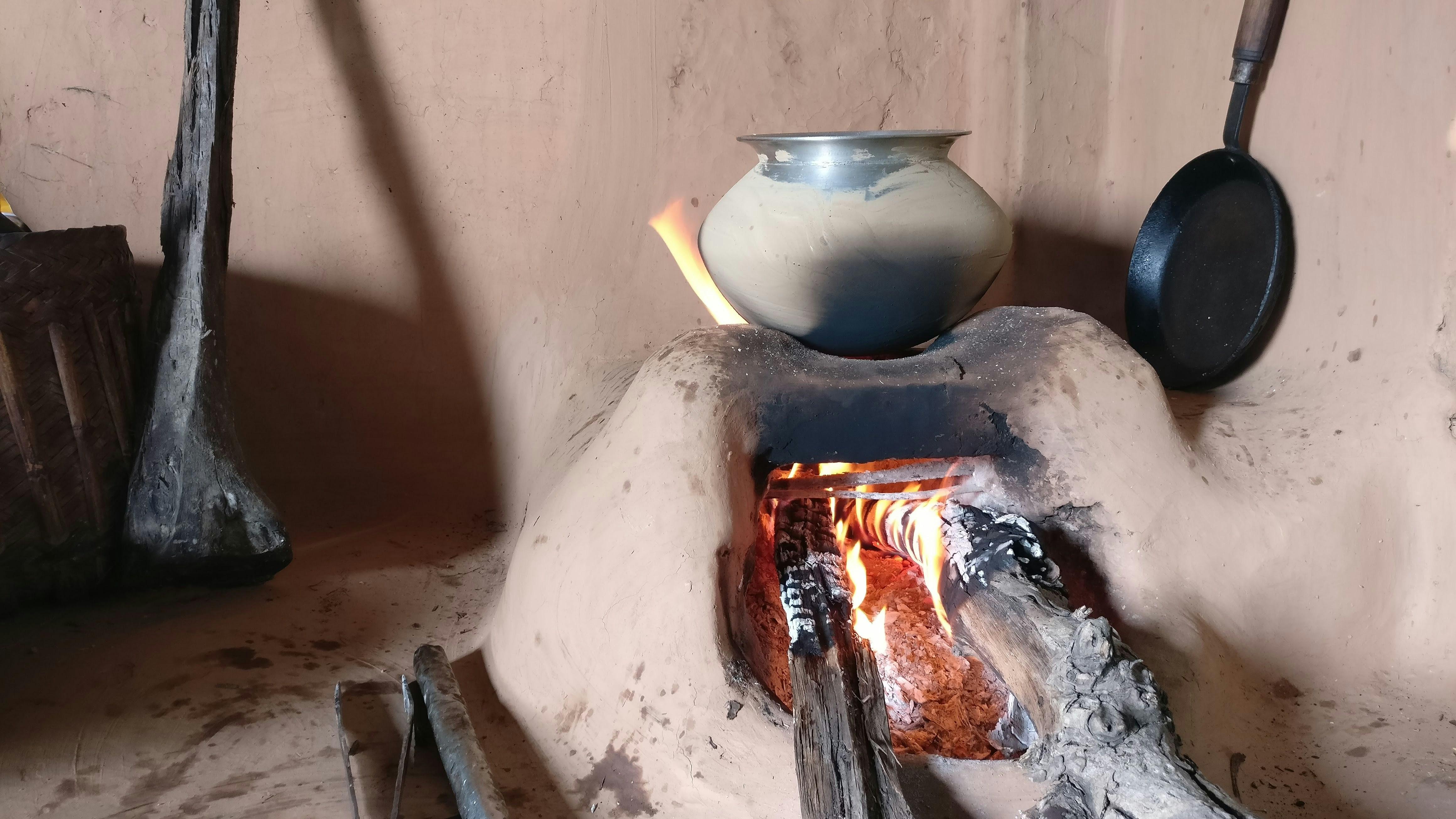
Parboiling is a meticulous process that bridges both traditional methods and advanced scientific principles, enhancing the quality of rice significantly. By partially cooking the grains while they are still in their husk, parboiling allows for the transfer of nutrients from the bran to the endosperm. This not only leads to a more flavorful and healthier product but also transforms the texture,making it less likely to become sticky when cooked. Some of the key benefits of parboiling include:
- Improved Nutritional Value: The process retains essential vitamins and minerals that might or else be lost during regular milling.
- Enhanced Shelf Life: Pre-cooking reduces the moisture content, which lowers the risks of spoilage and pest infestations.
- Consistent Cooking Quality: Parboiled rice is less prone to breakage, resulting in appealing, fluffy grains upon cooking.
The mechanics of parboiling involve several critical steps—frist, soaking the unprocessed rice in hot water, then steaming it under pressure, and finally drying it to ensure that it can be milled without compromising quality. Each of these stages plays an essential role in influencing the characteristics of the final product. To further illustrate the parboiling process, consider the following table that outlines its main stages:
| Stage | Description |
|---|---|
| Soaking | Rice is soaked in hot water to initiate the absorption of moisture and nutrients. |
| Steaming | The soaked rice is steamed under high pressure,allowing for even cooking and nutrient retention. |
| Drying | After steaming, rice is dried to reduce moisture, making it suitable for storage and milling. |

Essential Equipment and Technology for Efficient Processing
The backbone of any parboiled rice processing plant lies in its equipment and technological infrastructure, designed to maximize efficiency while maintaining quality. Essential machinery includes paddy dryers, which reduce the moisture content to optimal levels, ensuring long-term storage and preventing spoilage. Steam boilers are also crucial, allowing for the effective parboiling of rice by providing the necesary steam energy for the soaking process. Other components such as rice hullers and polishing machines play vital roles in enhancing the quality and presentation of the final product, ensuring that rice grains are not only more digestible but also visually appealing.
Moreover,advancements in automation and control systems have transformed traditional processing lines into smart manufacturing hubs. These systems monitor and adjust various parameters in real-time, which is pivotal for maintaining consistent quality throughout the processing phase. Essential tools integrated into the setup include sensors for moisture and temperature control, and conveyor belts for smooth transportation of rice at every stage. To support better decision-making,data analytics tools can further optimize processes by analyzing performance metrics. ultimately, these technologies streamline the workflow and reduce waste, elevating the overall productivity of the plant.
Quality Control Measures: ensuring Consistency from Harvest to Packaging
In a parboiled rice processing plant, stringent measures are in place to guarantee that every grain meets the highest standards of quality. The journey begins right from the moment the rice is harvested. Farmers are trained to select only the best grains, implementing practices that ensure minimal damage during transportation. Once the rice reaches the processing facility, a detailed inspection process kicks in, examining the grains for moisture content, impurities, and physical defects. This ensures that only the highest-quality rice is moved forward in the production line.
Following the initial inspection, the rice undergoes various treatments designed to preserve its quality throughout processing. The plant employs a combination of technology and skilled personnel to monitor key factors, including temperature, humidity, and duration of parboiling. Automated systems provide real-time data,enabling quick adjustments as needed to maintain optimal conditions. The final step before packaging involves a meticulous quality check where samples are tested for taste and texture, ensuring that consumers receive a product that is not only visually appealing but also deliciously consistent.
| Quality Control Step | Description |
|---|---|
| Initial Inspection | Verification of moisture content and physical integrity of harvested grains. |
| Parboiling Control | Monitoring temperature and humidity for optimal grain planning. |
| Final Quality Check | Taste and texture tests to ensure flavor consistency. |
Sustainable Practices in Parboiled Rice Production: Balancing Yield and Environmental Impact
The production of parboiled rice has evolved to integrate sustainable practices that not only enhance yield but also minimize environmental degradation. Farmers are increasingly adopting integrated pest management (IPM) techniques, which significantly reduce the need for chemical pesticides. This holistic approach not only protects the ecosystem but also promotes biodiversity. Additionally, the use of organic fertilizers derived from renewable resources, such as compost and green manure, helps maintain soil health and contributes to higher crop productivity without the adverse side effects of synthetic alternatives.
furthermore, water conservation techniques are gaining traction within parboiled rice cultivation. Employing practices such as drip irrigation or rainwater harvesting ensures optimal water usage, reducing wastage and promoting sustainable agriculture. Farmers are also embracing crop rotation, which enhances soil fertility and reduces disease pressure, leading to more resilient yields. By balancing these modern agricultural techniques, the parboiled rice production chain demonstrates a commitment to sustainability while still meeting the demands of a growing population.
| Practice | Benefit |
|---|---|
| Integrated Pest Management | Reduces chemical pesticide use, promotes biodiversity |
| Organic Fertilizers | enhances soil health, boosts productivity |
| Drip Irrigation | Improves water efficiency, reduces wastage |
| Crop rotation | Enhances soil fertility, increases resiliency |
Future Outlook
as the sun dips below the horizon, casting a warm golden glow over the sprawling fields of rice, the journey from farm to table comes to a satisfying close within the bustling walls of the parboiled rice processing plant. here, quality is more than a mere promise; it is a meticulously crafted reality, borne out of innovative techniques and a deep respect for tradition. Each grain processed echoes the dedication to excellence—transforming the raw harvest into a staple that nourishes millions.
In this intricate dance of engineering and nature,we have witnessed how modern technology harmonizes with age-old practices,ensuring that only the finest rice makes its way to our plates. The meticulous care taken at each stage—steaming, drying, and milling—ensures that every pouch of parboiled rice encapsulates a story of resilience and quality, ready to enhance countless culinary creations.
As we reflect on the processes that lay hidden behind the simplicity of this beloved grain, let us carry forward the appreciation for those who toil in the fields and the factories, turning the fruits of the earth into wholesome sustenance. every meal shared is a testament to their unwavering commitment, reminding us that the journey of rice from field to fork is a festivity of quality that transcends generations.