
Rice – often referred to as the “staple food of the world”, is a central component of countless global cuisines. From steaming bowls of fragrant jasmine rice to crispy sushi rolls, this versatile grain plays a vital role in culinary traditions across the globe. But have you ever stopped to consider the journey this humble grain takes from paddy to plate? Join us as we delve into the intricate world of rice processing, exploring the fascinating journey that transforms raw rice grains into the beloved staple we all know and love.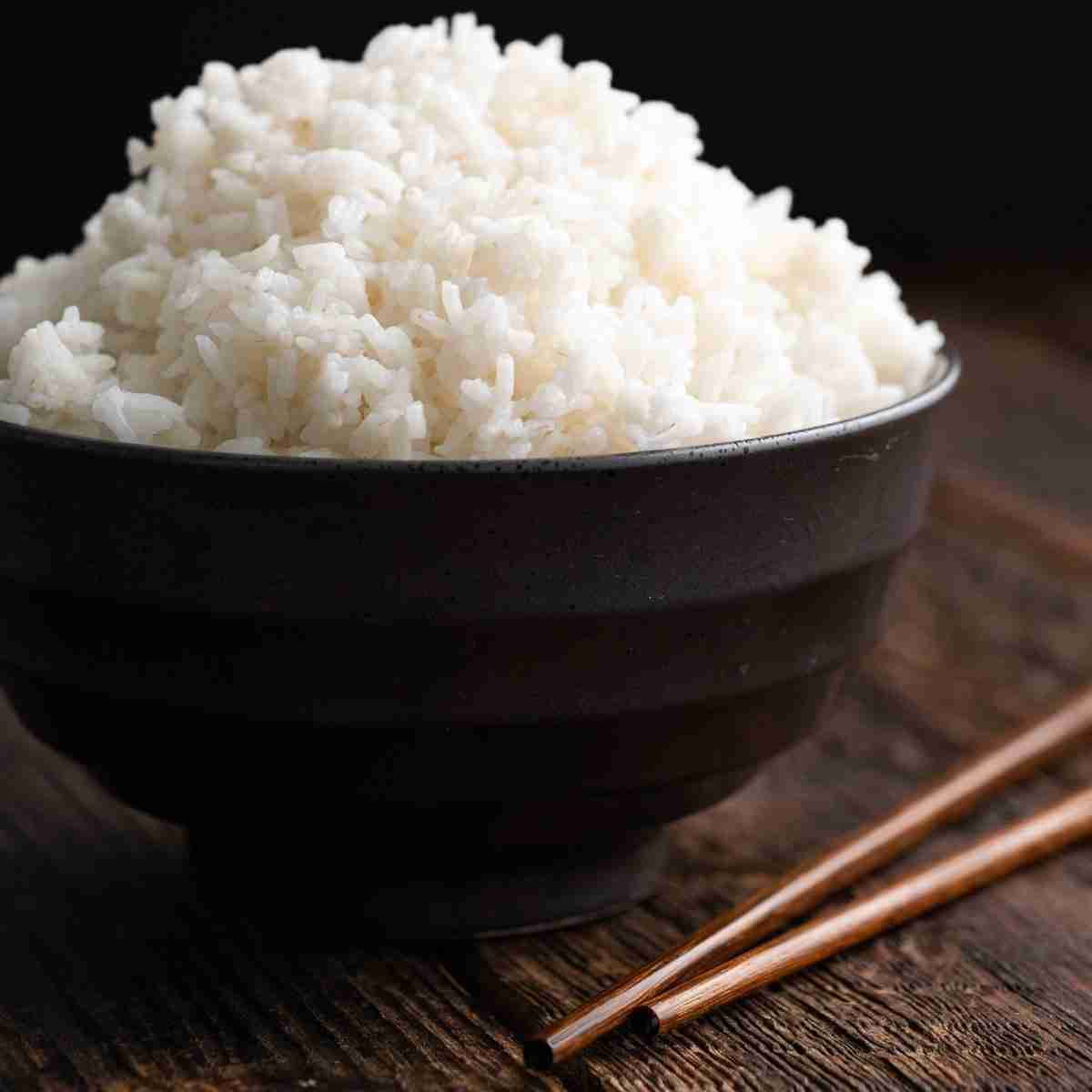
– The Growing Cycle of Rice Cultivation: Understanding the Different Varieties and Cultivation Techniques
Rice cultivation is a complex and intricate process that involves a series of steps from planting to harvesting. Different varieties of rice require different cultivation techniques and care throughout the growing cycle. Understanding these variations can help farmers optimize their yields and produce high-quality rice.
There are several varieties of rice, including long-grain, medium-grain, and short-grain varieties. Each type has its own distinct characteristics and uses, making it important for farmers to choose the right variety for their specific needs. In addition to variety selection, there are various cultivation techniques that can impact the overall quality of the rice, such as water management, soil health, and pest control. By mastering these techniques, farmers can ensure a successful growing cycle and a bountiful harvest.
– The Intricate Process of Rice Milling: Unveiling the Techniques and Technologies Involved
Rice milling is an intricate process that involves several techniques and cutting-edge technologies to transform raw paddy into the white grains we see on our plates. One of the first steps in the process is cleaning the paddy to remove impurities such as dust, stones, and other debris. This is typically done using a combination of vibrating screens, air classifiers, and magnets to separate the unwanted materials from the paddy.
Once the paddy has been cleaned, it is then de-husked to remove the outer hull and reveal the brown rice underneath. This is usually done using a de-husking machine, which employs abrasive rollers or rubber roll huskers to gently strip away the hull without damaging the delicate rice kernel inside. The brown rice is then further polished to remove the bran layer and produce the familiar white rice that we all know and love. This polishing process involves passing the rice through a series of friction rollers or abrasive surfaces to achieve the desired level of whiteness and sheen.

– Enhancing Quality and Nutrition: Tips for Choosing the Best Rice Products for Your Plate
When it comes to choosing the best rice products for your plate, there are several factors to consider to ensure you are getting the highest quality and most nutritious options available. One important aspect to keep in mind is the processing journey that rice undergoes from paddy to plate. Understanding this journey can help you make informed decisions about the rice products you select.
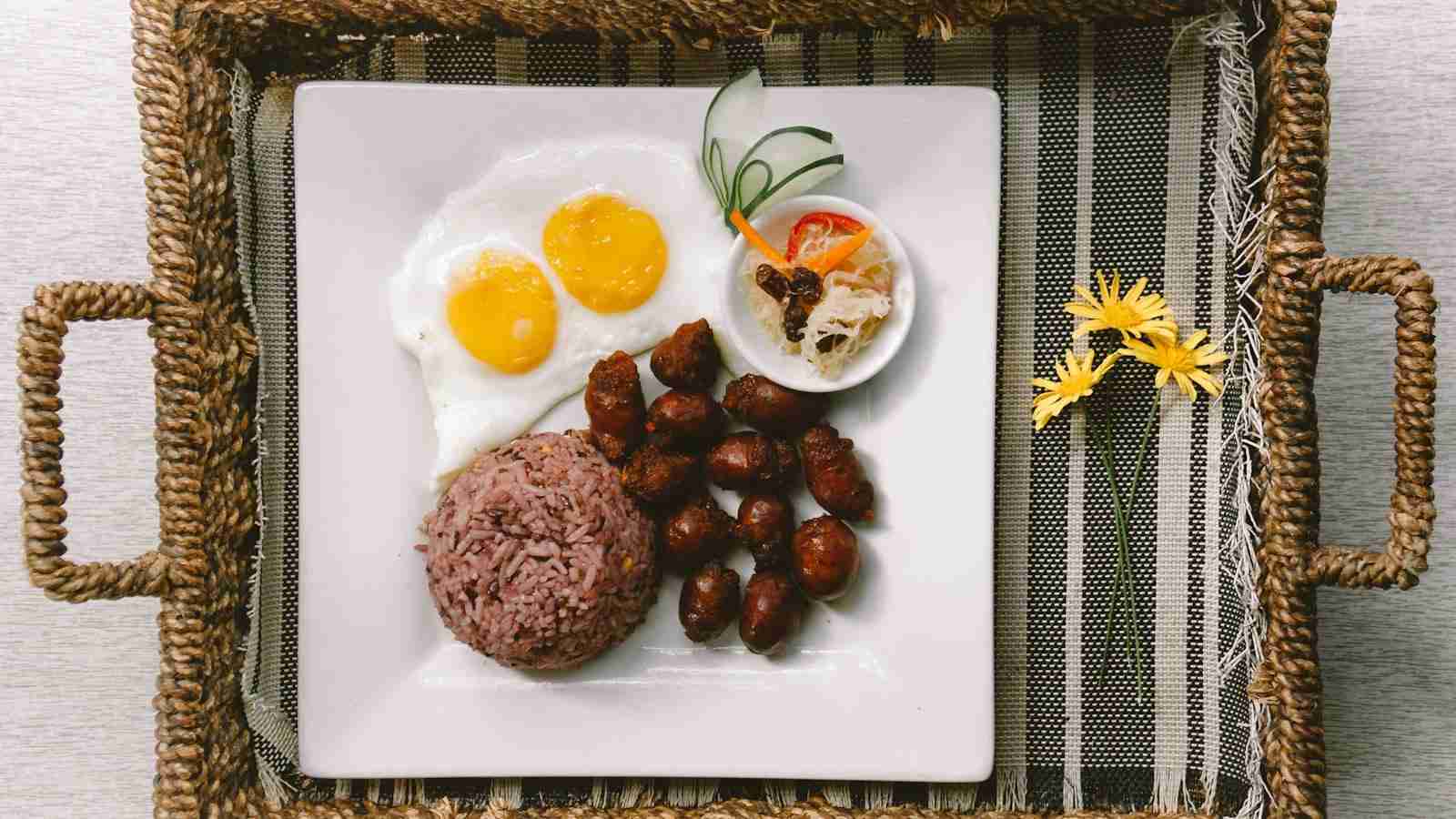
First and foremost, opt for whole grain rice products whenever possible. Whole grain rice retains the outer bran layer, germ, and endosperm, providing a higher nutritional value compared to refined white rice. Additionally, look for rice products that undergo minimal processing and are free from additives and preservatives. By choosing rice products that are as close to their natural state as possible, you can enjoy all the health benefits that rice has to offer.
In Summary
As we conclude our journey through the intricate and fascinating world of rice processing, we are left with a newfound appreciation for the humble grain that plays such a vital role in our everyday lives. From the flooded paddies to the perfectly cooked plate, the journey of rice is one of transformation and precision. It is a process that blends tradition and technology, skill and sustainability.
So the next time you enjoy a steaming bowl of rice, take a moment to reflect on the journey it took to get to your plate. Let it serve as a reminder of the ancient art and science that goes into producing this staple food, and the dedication of the farmers and processors who work tirelessly to bring it to our tables.
From paddy to plate, rice truly is a marvel of nature and human ingenuity. May we continue to savor its taste and appreciate the labor of love that goes into every grain. Thank you for joining us on this enlightening journey through rice processing. Until next time, happy eating!




