In the vast tapestry of global cuisine, few ingredients hold as much meaning as rice. This humble grain, nurtured by sun-kissed fields and harvested with care, serves as a cornerstone of sustenance for billions around the world. Yet, the journey from grain to plate is often a labyrinthine process that merits exploration. in “From Grain to Plate: The Art of Rice Processing Unveiled,” we embark on a fascinating odyssey through the intricate stages of rice processing—a world where tradition meets innovation, and where each step transforms nature’s bounty into a culinary staple. From the rhythmic swaying of rice paddies to the bustling machinery of milling, this article will illuminate the skilled artisans and modern techniques that elevate rice from a mere ingredient to an essential part of our daily lives, enriching our tables and our cultures along the way. Join us as we uncover the artistry embedded in each grain, revealing the stories that connect us to one of humanity’s oldest crops.
The Journey of Rice: Understanding Cultivation and Harvesting Techniques
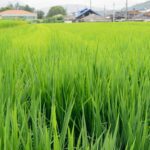
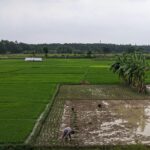
rice, a staple food for more than half of the world’s population, embarks on a remarkable journey from field to fork. Cultivation begins with selecting the right variety suited to the local climate and soil conditions. Farmers typically prepare the land by tilling the soil and flooding the fields to promote healthy seed germination and reduce weed growth. Key techniques in cultivating rice include:
- Transplanting: Young seedlings are moved from seedbeds to flooded fields, which enhances growth rates.
- Direct seeding: Seeds are sown directly into dry soil or shallow water, reducing labor costs.
- Wetland systems: Utilizing waterlogged conditions to improve yield while preserving water resources.
As the rice matures, careful attention must be given to its health and growth.When the grains reach their optimal ripeness, harvesting typically occurs with the help of traditional sickles or modern machinery, marking a crucial turn in the rice’s journey. The post-harvest phase is as vital as cultivation, involving processes that enhance quality and prevent spoilage. Essential steps in harvesting and processing rice include:
| Step | Description |
|---|---|
| Harvesting | Cutting the rice plants, frequently enough done when grains turn golden brown. |
| Threshing | Separating the grains from the stalks, which can be done manually or mechanically. |
| Drying | Reducing moisture content to prevent spoilage, often achieved using sunlight or dryers. |
| Milling | Removing the husk and bran layers, turning brown rice into white rice. |
Decoding the milling Process: Transforming Rough Rice into Culinary Gold
The journey from rough rice to the perfectly polished grains we cherish involves a meticulous milling process that combines tradition and innovation. Initially, the harvested rice, still cloaked in its tough outer husk, is subjected to a series of steps designed to unveil its inner potential. This process typically includes the steps of:
- Husking: the removal of the tough outer shell.
- Brown Rice Production: What remains is brown rice, which boasts a nutty flavor and higher nutrient content.
- Whitening: The outer bran layer is polished away, revealing the white, starchy kernel.
- Sorting: This crucial step ensures uniformity by separating broken grains from whole ones.
Each stage not only transforms the grain but also captures the essence of diverse culinary cultures.to visualize the process and its impacts, consider the following table that illustrates the characteristics of rice at different stages of milling:
| Stage | Description | Nutritional Value |
|---|---|---|
| Husked Brown Rice | Rough rice with the outer husk removed, retaining bran layers. | High in fiber and essential fatty acids. |
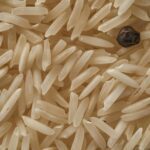
| White Rice | Brown rice polished to remove bran and germ. | Lower fiber, primarily starchy carbohydrates. |
| Milled Rice | Further polished for shine and uniformity. | Enhanced texture, often enriched with vitamins. |
the milling process is not just a mechanical transformation; it is an art form that celebrates the grain’s versatility. Each step crafts rice into an ingredient that graces tables around the world, embodying culinary traditions and creating connections between cultures and communities.
Nutritional Benefits of Processed Rice: enhancing Health Through Quality
Processed rice, often viewed through a simplistic lens, emerges as a powerhouse of nutritional benefits that can significantly enhance our well-being. The transformation from raw grain to the polished product not only improves shelf life but also enriches vital nutrients. For instance, the milling process thoughtfully removes bran and germ layers, concentrating essential carbohydrates while retaining some amount of protein, providing a rapid energy source that fuels daily activities.When fortified, processed rice can deliver even more, as manufacturers often enhance its nutritional profile with micronutrients such as iron and folic acid, making it a staple in combating nutritional deficiencies in many populations.
Moreover, the glycemic index of processed rice varies significantly based on the type and method of processing, allowing for versatile dietary inclusion. Choosing varieties such as parboiled rice can provide higher fiber content compared to regular white rice, potentially aiding digestion and promoting a feeling of fullness. Additionally, this type retains nutrients that may otherwise be lost during conventional processing. With options like brown rice—where only the outermost husk is removed—the whole grain still possesses antioxidants and othre beneficial phytochemicals, encouraging overall heart health and reducing inflammation. It’s clear that processed rice, when selected and prepared with care, can play an integral role in a balanced diet.
Sustainable Practices in Rice Processing: Balancing Tradition and Innovation
As the global demand for rice continues to surge,integrating sustainable practices in rice processing becomes imperative. Traditional methods, often steeped in cultural significance, must evolve to meet modern sustainability challenges without losing their essence. Key practices include:
- Water conservation: Implementing advanced irrigation techniques such as drip systems and rainwater harvesting to minimize water usage.
- Waste Utilization: Transforming rice husks and straw into bioenergy or organic fertilizers, ensuring that by-products contribute back to the ecosystem.
- Energy Efficiency: Adopting energy-efficient machinery and renewable energy sources to lower carbon footprints during processing.
Innovation plays a pivotal role in redefining how rice is processed, making operations both eco-friendly and economically viable. The incorporation of technology leads to improved quality control and traceability from farm to table. Consider the benefits of using:
| Technology | Benefits |
|---|---|
| Mobile Apps | Enhance farmer engagement and provide real-time data on best practices. |
| Blockchain | Ensure clarity and traceability in the supply chain. |
| Automation | reduce labor costs and enhance efficiency in processing plants. |
This blend of preserving age-old techniques with cutting-edge technologies not only promotes sustainability but also empowers local communities engaged in rice cultivation and processing. An approach that respects tradition while embracing innovation ensures that the journey from grain to plate is as harmonious as it is indeed efficient.
final thoughts
As our journey through the intricate world of rice processing comes to a close, we find ourselves embracing the delicate balance between tradition and innovation that defines this essential staple. From the sun-drenched paddies where golden grains are nurtured to the meticulous techniques that transform raw harvests into culinary delights, we have unveiled the artistry inherent in every step of the process.
Rice, a simple grain, serves as a canvas for culture and history, reflecting the diverse flavors and practices of communities around the globe. Each bowl of rice tells a story—one of heritage, dedication, and the pursuit of perfection.As we savor this humble grain in our meals, let us linger on the craftsmanship that has evolved over centuries, honoring the hands that cultivate and process it with such care.
In appreciating the journey from grain to plate, we not only elevate our understanding of rice but also recognize our connection to the land and the people who sustain it. So, the next time you partake in a dish featuring this versatile ingredient, remember the rich tapestry that unfolds with every bite—an art form that lies at the heart of many cultures, waiting to be celebrated and cherished.