
From Grain to Great: The Journey of Rice Processing
In the heart of countless cultures around the globe, rice stands as a symbol of sustenance, tradition, and culinary artistry. What begins as a simple grain on sprawling paddies undergoes a remarkable transformation—a journey steeped in history, innovation, and resilience. From the gentle sway of lush green fields to the bustling mills where machinery hums in concert with human skill, the path of rice processing is as intricate as it is fascinating. This article invites you to explore the layers of this journey, delving into the processes that elevate humble grains into staples of kitchens and dining tables worldwide. Join us as we uncover the steps that bridge agriculture and gastronomy, revealing the dedication and craftsmanship behind one of humanity’s most cherished foods.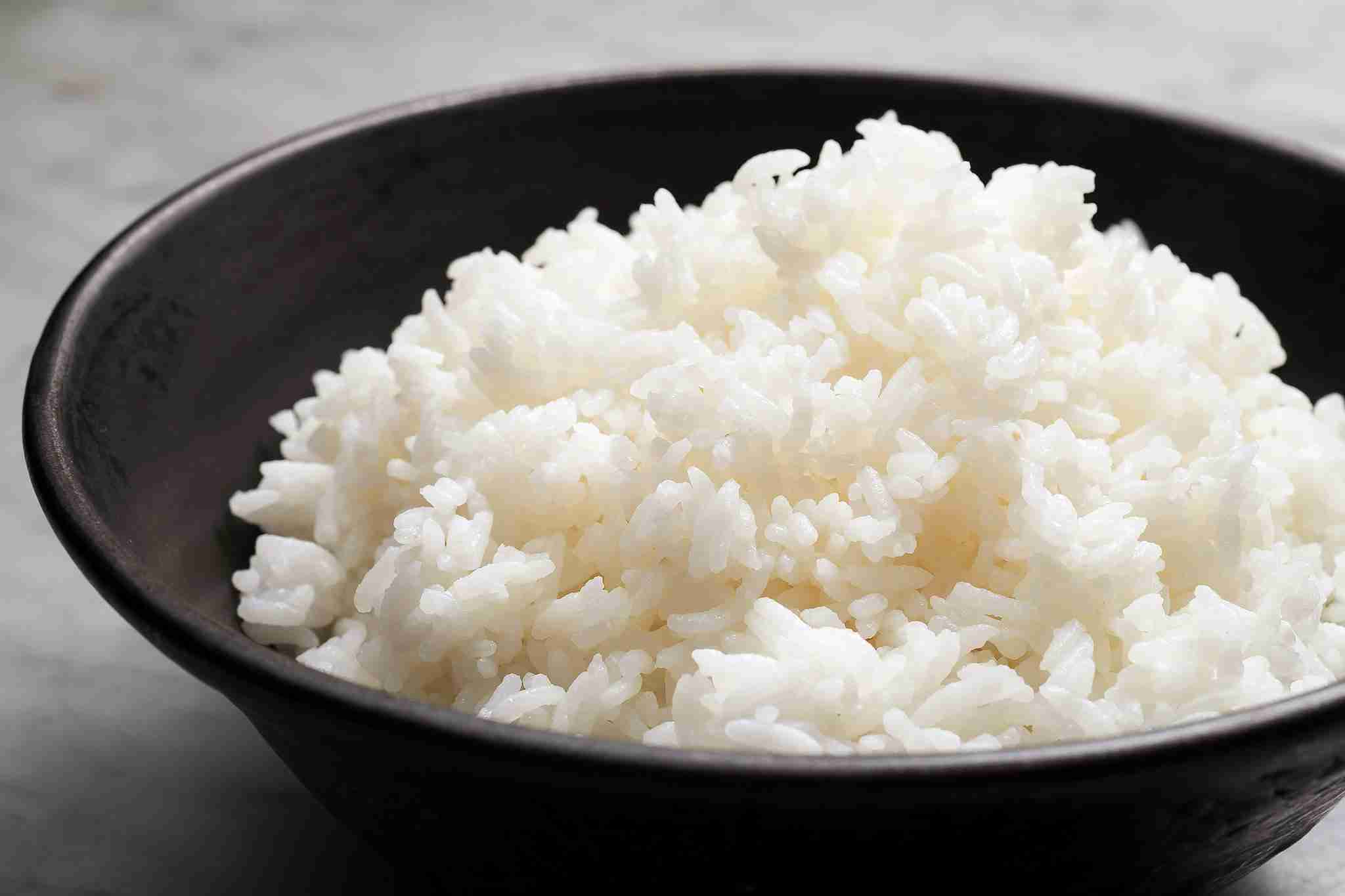
The Lifecycle of Rice: Understanding Agricultural Practices
Rice cultivation begins with the selection of high-quality seeds, which play a crucial role in determining the yield and resilience of the crop. Farmers typically choose seeds based on their adaptability to local conditions and resistance to common pests and diseases. After preparing the land, which includes plowing and leveling the fields, the selected seeds are sown either through traditional methods or using modern machinery. The growth cycle typically spans from 120 to 180 days, during which the plants require careful management of water, nutrients, and pest control.
Once the plants reach maturity, harvesting begins. This is accomplished through manual labor or mechanical harvesters, depending on the scale of production. The harvested rice, still enveloped in its husk, undergoes several post-harvest processes. These include threshing, where the rice grains are separated from the straw, and drying, essential for reducing moisture content to prevent spoilage. After drying, the rice is milled to remove the husk and bran, resulting in either brown or white rice. Here’s a simple overview of the milling stages:
| Stage | Description |
|---|---|
| Harvesting | Gathering mature rice plants from the fields. |
| Threshing | Separating the grains from the straw. |
| Drying | Reducing moisture content for preservation. |
| Milling | Removing the husk and bran to produce rice. |

Transforming Nature: The Art and Science of Milling Rice
The journey of rice from fields to the dinner plate is a remarkable blend of nature’s bounty and human ingenuity. Milling is the transformative phase where raw, paddy rice is processed into the silky, polished grains we recognize. This intricate process not only preserves the nutritional value of rice but enhances its flavor and appearance. It begins with harvesting, where rice plants are carefully cut and gathered, turning vast green fields into a canvas of golden grains. Next comes the threshing, where the grains are separated from the stalks, revealing the gleaming paddy that is then prepared for milling.
At the heart of rice milling lies an array of sophisticated machines, meticulously designed to optimize each step. The paddy is cleaned to remove impurities, and then de-husked to extract the inner grain. Following this, the rice undergoes polishing, which not only gives it a shiny finish but also enhances its shelf life. A subtle balance of technology and tradition, the milling process can be summarized as follows:
| Process | Description |
|---|---|
| Harvesting | Cutting and gathering of mature rice plants. |
| Threshing | Separation of rice grains from stalks. |
| Cleaning | Removal of impurities and broken grains. |
| De-husking | Extracting rice grains from the husk. |
| Polishing | Giving the rice a glossy finish and longer shelf life. |
This meticulous process not only shapes the culinary experience but also reflects the deep connection between agriculture and technology. Each step is an art form, honed through generations, that allows us to enjoy a staple food that is central to cuisines around the world. In this transformation, rice goes from humble grain to a delightful component celebrated on plates, showcasing the harmony between nature’s gifts and human craftsmanship.
Nutritional Value Unveiled: How Processing Affects Health Benefits
Processing rice transforms it from a humble grain into a dietary staple enjoyed worldwide. Brown rice, the unrefined version, retains the bran and germ layers, offering a wealth of nutritional benefits. It is rich in fiber, essential vitamins, and minerals, contributing to heart health and weight management. In contrast, white rice, produced through extensive polishing, loses many of these beneficial components, resulting in a more palatable but less nutritious product. This journey of transformation underscores the intricate balance between enhancing flavor and sacrificing nutritional value.
The impact of processing extends beyond mere caloric content. With rice, the method of preparation can drastically alter its health benefits. Consider the following:
- Whole Grain Benefits: Brown rice’s high fiber content promotes digestive health.
- Vitamin Loss: Refining rice strips it of B vitamins that play crucial roles in energy metabolism.
- Glycemic Index Variance: White rice has a higher glycemic index, which may affect blood sugar levels.
- Fortification Options: Some brands enrich white rice with iron and B vitamins, attempting to restore lost nutrients.
The nutritional landscape of rice can also be shown in a comparative table:
| Type of Rice | Fiber (g/100g) | Vitamins Retained | Glycemic Index |
|---|---|---|---|
| Brown Rice | 3.5 | Thiamine, Niacin, B6 | 50 |
| White Rice | 0.4 | Iron (fortified), Minimal Vitamins | 72 |
This overview illustrates that the journey of rice from field to fork is not just about preparation but about understanding how each step in processing can influence our health and nutrition.
Sustainable Innovations: The Future of Rice Processing Techniques
The landscape of rice processing is evolving, with sustainable innovations transforming traditional methods into next-generation practices that promise improved efficiency and reduced environmental impact. Key advancements include biodegradable packaging for rice products, allowing for a decrease in plastic waste, and the integration of renewable energy sources into processing facilities. With solar-powered dryers and biomass furnaces, processors can lower their carbon footprints while harnessing natural resources. Furthermore, the adoption of precision agriculture techniques is optimizing the cultivation process, leading to higher yields and less resource waste throughout the supply chain.
Additionally, the future of rice processing is being shaped by innovative technologies that enhance quality while prioritizing sustainability. Emerging practices involve the use of fermentation processes not only to enhance flavor but also to increase nutritional value, making rice products more appealing to health-conscious consumers. Water-saving technologies, such as alternate wetting and drying (AWD), are gaining traction, aiming to reduce water consumption significantly during cultivation and processing. Unifying these advancements within the industry showcases a commitment to preserving both economic viability and environmental integrity, ensuring that rice remains a staple food for generations to come.
Insights and Conclusions
In the intricate dance of agriculture and technology, the journey of rice processing emerges as a remarkable story of transformation. From its humble beginnings in sun-drenched paddies to its final destination on our dinner plates, rice undergoes a meticulous process that marries tradition with innovation. Each grain tells a tale of care, craftsmanship, and community, reflecting not just the rich cultural heritage associated with this staple food, but also the relentless pursuit of efficiency and quality in modern food systems.
As we unpack the nuances of rice processing, we are reminded of the vital role this grain plays in sustaining populations and nurturing economies across the globe. The next time you savor a steaming bowl of rice, take a moment to appreciate the journey it has taken—from the fields where it was meticulously tended, through the intricate processing stages, and finally to your table. In celebrating the evolution of rice processing, we honor not just the grain itself, but the countless hands and hearts that bring it to life, a testament to our shared reliance on the land and its bounty. Thus, the story from grain to great continues—an eternal cycle of growth, harvest, and nourishment that binds us all together.




