
From Grain to Goodness: The Journey of Rice Processing
In the heart of many kitchens around the world lies a humble staple: rice. This seemingly simple grain has nourished generations, transcending borders and cultures. But have you ever paused to consider the journey it undertakes before gracing your dining table? From lush, green fields where it sways gently in the breeze to the intricate processing plants that transform harvested grains into the polished rice we recognize, each step in the journey of rice is a testament to centuries of agricultural heritage and modern innovation. In this article, we embark on an enlightening exploration of rice processing—from its cultivation and harvesting to milling and packaging—unveiling the meticulous art and science behind this beloved food. Join us as we delve into the world of rice, uncovering the journey that turns grain into goodness, and celebrating the efforts that ensure this vital resource remains a cornerstone of nutrition and sustenance worldwide.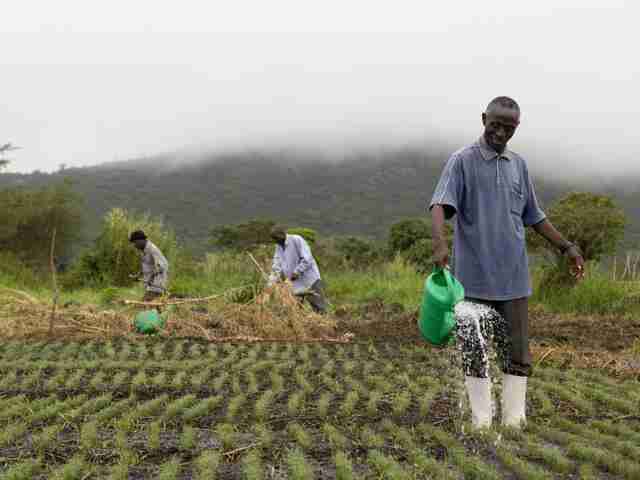
Exploring the Cultivation Practices that Shape Quality Rice
The journey to exceptional rice begins long before the grain reaches your plate. The land, climate, and cultivation techniques play crucial roles in determining the quality of the rice harvested. Farmers carefully select rice varieties based on local environmental conditions, ensuring that the plants thrive in their specific regions. Traditional practices such as crop rotation and integrated pest management not only promote sustainability but also enhance the flavor profile and nutritional value of the rice. By maintaining the balance of ecosystems, growers can produce rice that embodies the essence of their environment.
Moreover, water management is a cornerstone of cultivation practices that directly affects grain quality. Irrigation techniques, whether using traditional flooding methods or modern drip systems, contribute to the rice’s final taste and texture. Careful attention to soil health, including the use of organic fertilizers, ensures that nutrients are readily available for the growing plants. The timing of planting and harvest is another critical factor, as rice must be picked at its peak maturity to lock in quality. Below is a simple table illustrating some key cultivation factors that influence the quality of rice:
| Factor | Impact on Quality |
|---|---|
| Soil Type | Influences nutrient availability and flavor |
| Climate | Affects growth cycle and grain size |
| Water Management | Determines grain texture and moisture content |
| Harvest Timing | Critical for optimal taste and quality preservation |
Understanding the Steps of Rice Milling for Optimal Nutrition
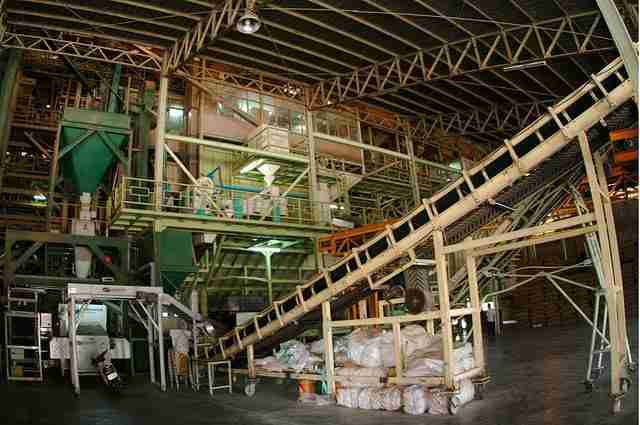
To unlock the full potential of rice as a nutritional powerhouse, understanding the intricate process of rice milling is essential. The journey from paddy to polished rice involves multiple steps, each contributing to the final product’s quality and health benefits. Initially, the harvested paddy is cleaned to remove impurities such as dirt and stones. Following this, the husk is removed through a process known as de-husking. This refining process results in brown rice, which retains its bran layer—rich in vitamins, minerals, and fiber. The optional milling into white rice removes the bran and germ, leading to a product that, while softer and quicker to cook, has diminished health benefits. It’s crucial for consumers to recognize the value of brown rice as it maintains higher nutritional content.
Having understood the importance of each step, one must also consider the milling techniques used. Different methods yield varying levels of refinement and nutritional retention. Here are some key processes to consider:
- Dry Milling: Involves removing the husk and bran through mechanically abrasive techniques.
- Wet Milling: Utilizes water for a more gentle approach, preserving nutrients.
- Polishing: Enhances appearance but can strip away essential nutrients.
- Fortification: Some mills add vitamins and minerals post-milling to enhance nutritional value, an important step for communities relying on white rice.
To illustrate the effects of these processes on nutritional content, consider the following table:
| Rice Type | Fiber (g per 100g) | Vitamin B6 (mg per 100g) | Iron (mg per 100g) |
|---|---|---|---|
| Brown Rice | 3.5 | 0.1 | 0.4 |
| White Rice | 0.4 | 0.02 | 0.2 |
| Fortified White Rice | 0.4 | 0.1 (after fortification) | 0.3 (after fortification) |
This table vividly demonstrates the nutritional trade-offs involved in rice milling. Understanding these steps empowers consumers to make informed dietary choices, enabling them to select rice options that align with their health goals.
Innovations in Rice Processing and Their Impact on Sustainability
The landscape of rice processing is undergoing a transformative shift, driven by innovative technologies that not only enhance efficiency but also promote environmental sustainability. Advances such as eco-friendly milling techniques and the incorporation of renewable energy sources are reshaping traditional practices. For instance, newer milling machinery uses less water and minimizes energy consumption while improving the quality of the final product. This reduction in resource usage not only lowers operational costs but also diminishes the carbon footprint associated with rice production. As a result, producers are increasingly adopting practices that align with a global push towards sustainability.
Furthermore, innovations such as biodegradable packaging and waste-to-value programs are contributing to a circular economy in rice processing. By utilizing by-products, such as rice husks and bran, manufacturers can create value-added products ranging from biofuels to animal feed. These not only reduce waste but also provide additional revenue streams for farmers and producers. The table below illustrates some of the impacts of these innovations:
| Innovation | Impact |
|---|---|
| Eco-friendly milling techniques | Reduced water use and energy consumption |
| Biodegradable packaging | Minimized environmental footprint |
| Waste-to-value programs | Creation of biofuels and animal feed |
Enhancing Culinary Experiences through Proper Rice Preparation Techniques
Unlocking the full potential of rice begins with proper preparation techniques that transform each grain into a canvas for culinary artistry. Washing rice is more than just a simple rinse; it removes excess starch, ensuring that cooked rice achieves the perfect fluffy texture.
- Soaking: Soaking rice for 30 minutes before cooking helps to hydrate the grains, leading to even cooking and enhancing flavor absorption.
- Toasting: Briefly toasting the rice in oil or butter before boiling can introduce a nutty flavor that elevates a dish’s profile.
- Cooking Ratio: Mastering the exact water-to-rice ratio is crucial. A general guideline is 2 cups of water for every 1 cup of white rice, but this may vary by variety.
The methods employed not only influence texture and taste but also reflect cultural practices and traditions. The right technique can lift a simple meal to an extraordinary dining experience, exemplifying how something as humble as rice can shine when handled with care. To illustrate the importance of preparation, consider the following comparison of different cooking methods:
| Cooking Method | Texture | Flavor |
|---|---|---|
| Boiling | Soft and fluffy | Neutral |
| Steaming | Firm and chewy | Enhanced |
| Frying | Crispy | Rich and savory |
The Way Forward
As we conclude our exploration of “From Grain to Goodness: The Journey of Rice Processing,” it becomes clear that this humble staple is much more than mere sustenance. The intricate journey of rice, from the fields where it is nurtured to the meticulous processes that transform it into a versatile ingredient, reflects a blend of tradition, innovation, and cultural significance. Each grain carries a story, shaped by the hands of farmers, millers, and chefs who honor its heritage while embracing the future.
Understanding this journey not only deepens our appreciation for rice as a dietary staple but also connects us to a rich tapestry of global practices and values. As we enjoy our next meal, let us remember the labor and care encapsulated in each bite, reminding us that every journey, no matter how small, contributes to the greater narrative of sustenance and community. In embracing the cycle from grain to goodness, we celebrate not just a food, but a fundamental link to the world around us.




