
From Field to Table: The Journey of Rice Processing
In the vibrant tapestry of global cuisine, few staples hold as prominent a place as rice. This versatile grain, a dietary cornerstone for billions, embarks on a remarkable journey from its humble beginnings in lush, swaying fields to the comforting dish that graces our tables. The journey of rice is not merely a tale of cultivation; it encompasses a rich interplay of tradition, technology, and transformation. As we delve into this intricate process, we will explore each step of rice processing—unearthing the methods that elevate this unassuming seed from the earth to a fragrant bowl of sustenance. Join us as we trace the path of rice, revealing the artistry and science behind an ingredient that nourishes and unites cultures around the world.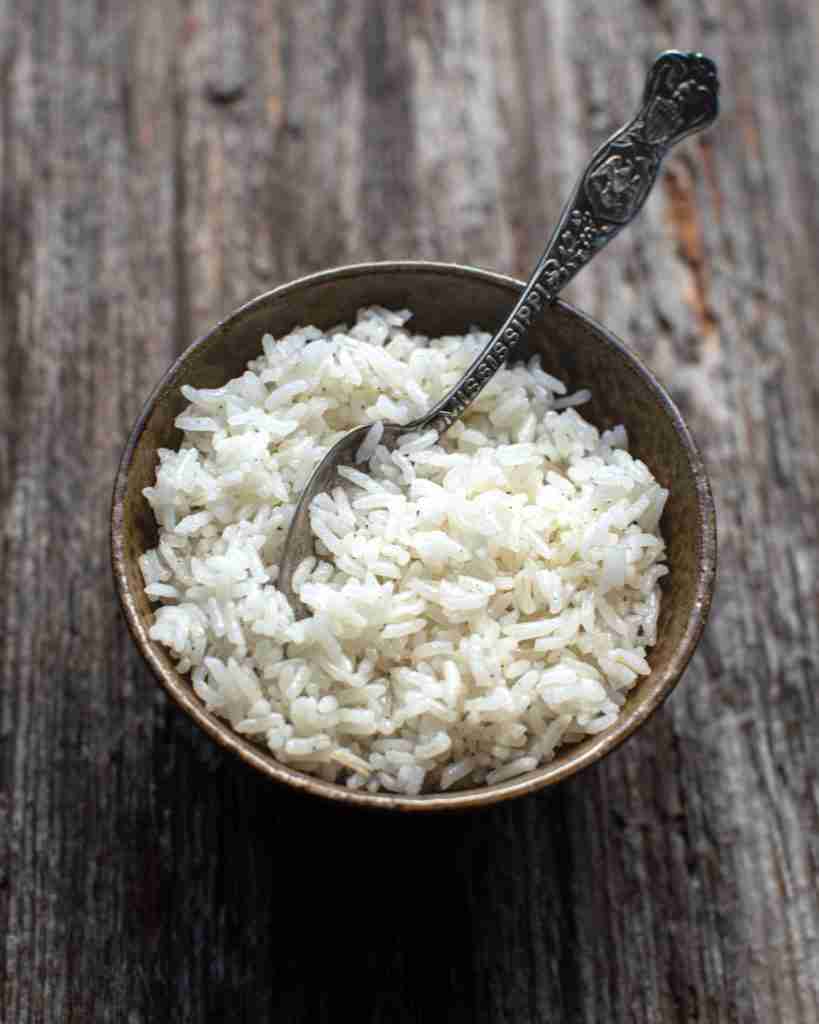
Understanding the Rice Harvesting Process and its Impact on Quality
The process of harvesting rice is a meticulous orchestration that directly influences the final quality of the grain. Typically, rice reaches maturity after about four to six months of growth, depending on the variety, climate, and soil conditions. Once the grains are ready, farmers employ either manual or mechanized methods for harvesting. The timing of the harvest is crucial; too early and the grains may not be fully developed, too late and they may shatter or spoil. Strong sunlight and optimal weather conditions further enhance the harvest’s success, minimizing moisture content and preventing fungal infections. Several key factors during this stage significantly affect the quality of the rice that ultimately makes it to the consumer’s table, including:
- Weather conditions: Clear skies promote even drying and reduce spoilage risk.
- Harvesting techniques: Proper techniques help avoid grain damage.
- Timing: Harvesting at the right maturity point enhances overall quality.
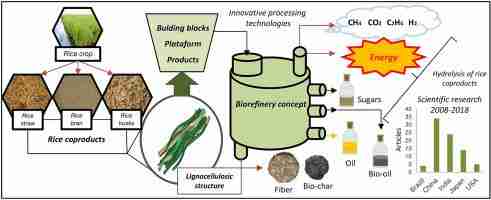
After the initial gathering, the rice undergoes a series of processing stages that refine it to its market-ready form. Post-harvest, the grains are often subjected to drying, husking, and milling, each step meticulously designed to preserve nutritional value and enhance taste. During drying, the moisture level is carefully controlled to prevent mold growth, while husking removes the outer shell, revealing the edible rice within. Milling further polishes the grain, allowing for a more appealing presentation. However, the decisions made here can have lasting repercussions on the rice quality. For instance, excessive polishing may lead to a loss of nutritional content. A comparative overview of the different processing methods can highlight these choices and their implications for quality:
| Processing Method | Effect on Quality |
|---|---|
| Traditional Milling | Retains more nutrients; promotes flavor. |
| Modern Milling | Higher yield; but may lose some nutritional value. |
| Parboiled Rice | Enhances texture; retains vitamins. |
Exploring Traditional and Modern Techniques in Rice Processing
Rice processing has evolved significantly over the centuries, marrying traditional methods with modern innovations. Traditionally, farmers utilized hand tools such as wooden pestles and mortars, allowing them to manually hull and thrash the rice. This labor-intensive approach was not only a rite of passage for many agricultural families but also fostered community ties through shared practices. As rice transitioned from field to table, these age-old techniques included soaking, steaming, and sun-drying, which imbued the grains with unique flavors and textures, connecting the produce deeply to the land it came from.
In contrast, modern techniques have revolutionized the efficiency and scale of rice processing. Mechanization has introduced advanced machinery that can handle multiple steps—such as cleaning, milling, and polishing—within a single operation, drastically reducing time and labor costs. Some of the latest technologies include parboiling systems that retain nutrients and improve cooking quality, enhancing the overall consumer experience. The combination of these innovations ensures a consistent product while addressing sustainability concerns, as modern rice processing methods increasingly focus on reducing waste and energy consumption.
| Traditional Techniques | Modern Techniques |
|---|---|
| Hand-hulling using wooden pestles | Automated hulling machines |
| Soaking and sun-drying | Controlled drying systems |
| Steaming in bamboo baskets | Pressure steaming technologies |
| Community milling setups | Large-scale industrial mills |

Ensuring Sustainability: Best Practices in Rice Production
Employing sustainable practices in rice production is paramount for both the environment and the economy. Crop rotation is one vital strategy, where diversifying crops helps improve soil health and reduces pests and diseases. Additionally, integrating cover crops can enhance soil organic matter and moisture retention, promoting a healthier ecosystem. Utilization of drip irrigation systems not only conserves water but also targets the root zone effectively, minimizing water waste. Other ecological approaches include employing integrated pest management (IPM) techniques, which reduce reliance on chemical pesticides while promoting natural predators. These methods work synergistically to boost productivity while preserving the land for future generations.
Furthermore, farmers can adopt organic farming techniques that focus on environmental sustainability and consumer health. These practices encompass maintaining biodiversity through polyculture, which can bolster resilience against climate impacts. Keeping a close watch on soil health with regular testing and tailored amendments ensures nutrient balance and minimizes fertilizer runoff. Below is a simple table showcasing the critical aspects of sustainable rice production practices:
| Practice | Benefit |
|---|---|
| Crop Rotation | Enhances soil health and reduces pests |
| Drip Irrigation | Conserves water and targets root zones |
| Integrated Pest Management | Reduces chemical pesticide use |
| Organic Farming | Promotes environmental sustainability |
From Storage to Culinary Delights: Navigating Rice Distribution and Preparation
After rice is harvested, the journey continues as it undergoes a meticulous process of storage, distribution, and ultimately, preparation. Farmers store their freshly harvested rice in carefully controlled environments to maintain optimum quality and flavor. Durable silos or ventilated warehouses are often used to prevent spoilage and protect the grains from pests. During this phase, the rice is subjected to rigorous inspections to ensure that only the best grains make it to consumers. The transition to distribution requires intricate logistics planning, where rice is transported to various markets and retailers. Factors such as transportation costs, shelf life, and demand forecasts play a crucial role in this phase, ensuring that each grain retains its essence as it moves closer to our kitchens.
Upon reaching grocery shelves, the potential of rice is unlocked through culinary art. Versatile in nature, rice can be prepared in numerous ways, from steaming to frying. Chefs and home cooks alike appreciate its adaptability, making it a staple in diverse cuisines. Here are some popular preparation methods:
- Steaming: Preserves nutrients and delicate flavors.
- Frying: Adds a delightful crunch to various dishes.
- Boiling: Simple and quick, perfect for instant meals.
- Risotto: A creamy dish that showcases rice’s starchiness.
| Rice Type | Flavor Profile | Culinary Use |
|---|---|---|
| Jasmine | Floral, nutty | Thai dishes, stir-fries |
| Arborio | Rich, creamy | Risottos |
| Basmati | Aromatic, light | Indian curries, pilafs |
| Brown | Earthy, chewy | Salads, side dishes |
Wrapping Up
As we conclude our exploration of the intricate journey from field to table in the world of rice processing, it’s clear that this staple food is far more than just a side dish. Each grain of rice carries with it the story of dedicated farmers, innovative processing techniques, and age-old traditions that bridge communities across the globe.
From the sun-drenched fields where rice is meticulously cultivated, to the bustling mills where it undergoes transformation, every step in this journey reflects the harmony of nature and human ingenuity. As we savor rice in our meals, let us remember the interconnected web of effort and expertise behind it. The next time you enjoy a warm bowl of rice, take a moment to appreciate the hands that tended the fields, the technology that refined the harvest, and the culinary art that brings it to your table.
In celebrating rice, we acknowledge not only its significance as a dietary staple but also its role as a symbol of cultural identity and sustenance. Here’s to the journey of rice, an extraordinary cycle that nourishes both body and spirit, connecting us all in the simplest yet profound ways.




