
From Field to Plate: The Art and Science of Rice Processing
In the quiet rustle of golden paddy fields, where the sun embraces each grain of rice, a fascinating journey begins—one that weaves together tradition and innovation, the art of cultivation, and the science of processing. Rice, a staple for over half of the world’s population, carries with it stories of cultural significance, culinary delight, and agricultural mastery. But what happens between the moment it is harvested and the time it reaches our plates?
This article delves into the intricate processes that transform raw grains into the fluffy, fragrant staple we love. From the age-old techniques passed down through generations to cutting-edge technologies that enhance quality and efficiency, we explore the delicate balance of human touch and mechanization. Join us as we uncover the hidden complexities of rice processing—an alchemical blend that not only preserves the nutritional value of this vital crop but also celebrates the rich tapestry of flavors that define cuisines around the world.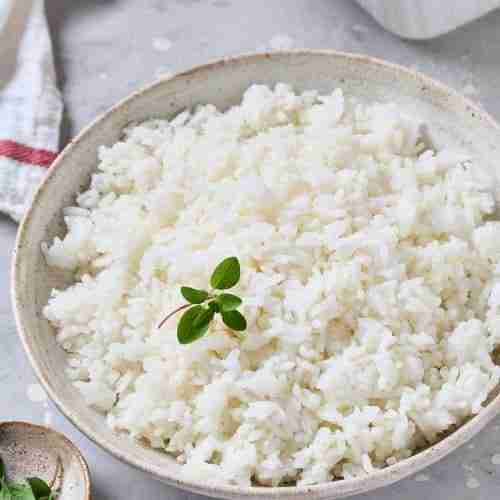
The Journey of Rice: Understanding Cultivation and Harvesting Techniques
Rice is a staple food for over half of the world’s population, and its journey from field to plate is both a rich tradition and an intricate science. Cultivation begins with the careful selection of seeds, which are soaked and then planted in flooded fields known as paddies. The use of water not only supports the growth of the rice but also helps to suppress weeds and pests. Farmers employ various techniques for nurturing their crops, which can include:
- Transplanting: Seedlings are grown in nurseries and then transplanted into prepared fields for optimal growth.
- Direct Seeding: Seeds are sown directly into the field, allowing for faster and more efficient planting.
- Integrated Pest Management: Utilizing natural predators and practices to minimize pesticide use.
As the rice matures, the harvesting process requires precision and timing to ensure quality and yield. Harvesting too early can lead to immature grains, while late harvesting can result in loss due to weather conditions. Traditional methods involve hand-cutting, but mechanized harvesting is becoming increasingly common. After harvesting, rice goes through several processing stages that include:
| Processing Stage | Description |
|---|---|
| Threshing | Separating the grains from the stalks. |
| Drying | Reducing moisture content to prevent spoilage. |
| Milling | Removing husks and bran to produce white rice. |
The techniques deployed at each stage not only dictate the quality of the rice but also affect its nutritional value and flavor. Maintaining a balance between traditional practices and modern innovations is key to ensuring that rice remains a sustainable and vital food source for generations to come.

Innovations in Milling: Balancing Tradition and Modern Technology
The evolution of rice milling combines time-honored practices with cutting-edge technology, ensuring the quality and efficiency of transforming paddy into polished grains. Traditional methods, such as water milling and manual husking, highlight the deep-rooted cultural significance of rice processing, while modern techniques like infrared or laser sorting and automated milling machines revolutionize the industry. The delicate art of milling is now more precise, reducing waste and improving yield, while still honoring the legacy of craftsmanship passed down through generations.
Innovations in milling not only address the efficiency and sustainability of the process but also cater to the growing demand for healthier rice. Techniques such as multiple-stage milling optimize grain quality, producing different grades of rice tailored to diverse markets. Furthermore, the advent of smart technology has enabled real-time monitoring of milling processes, allowing millers to adjust parameters dynamically and enhance product consistency. The balance between traditional practices and modern advancements underscores a journey that values heritage while embracing the future.
| Traditional Techniques | Modern Innovations |
|---|---|
| Water milling for a softer finish | Infrared sorting for purity |
| Manual husking using hand tools | Automated milling machines for precision |
| Small-scale local operations | Commercial large-scale milling plants |
| Natural drying processes | Controlled drying technology for consistency |

Nutritional Elevation: The Impact of Processing on Rice Quality
When considering the journey of rice from the field to our plates, the processing stage plays a pivotal role in determining the nutritional profile and overall quality of this staple food. Depending on the method employed—ranging from traditional to modern techniques—various essential nutrients can be retained or diminished. For instance, methods that prioritize whole grain preservation, such as parboiling, can enhance the retention of vitamins and minerals compared to white rice, which loses many nutrients during milling. The degree of processing directly influences factors like flavor, texture, and even cooking time, ultimately impacting consumer preferences and health outcomes.
Additionally, processing methods yield diverse varieties of rice, each with its unique characteristics and culinary uses. Below are key distinctions among common rice types, showcasing the impact of processing:
| Rice Type | Processing Method | Nutritional Content |
|---|---|---|
| Brown Rice | Minimally processed (bran and germ intact) | High in fiber, vitamins B1 and B3 |
| White Rice | Heavily milled (bran and germ removed) | Lower in nutrients, fortified with some vitamins |
| Parboiled Rice | Soaked, steamed, and dried before milling | Retains more nutrients than white rice |
Understanding these differences illuminates why particular methods are favored in certain cuisines and cultures. Moreover, the resurgence of interest in whole grain products has steered consumers back to minimally processed options, favoring the benefits of dietary fiber and micronutrients. Such insights emphasize that the journey of rice is not merely about getting it from farm to table, but understanding how the art of processing can either elevate or diminish its nutritional value, shaping our experience and health with every bite.
Sustainable Practices: Enhancing Efficiency in Rice Production and Processing
Embracing sustainable practices at every stage of rice production is key to enhancing efficiency and reducing the environmental footprint of this essential crop. Techniques such as integrated pest management (IPM) and alternative wetting and drying (AWD) minimize resource use while ensuring robust yields. Additionally, adopting crop rotation with legumes can improve soil health and reduce dependence on chemical fertilizers. Such practices not only promote biodiversity but also lead to the cultivation of more resilient rice varieties that are better equipped to withstand climate variability.
Moreover, the implementation of modern processing technologies plays a pivotal role in optimizing the transformation of harvested rice into consumable products. By utilizing solar drying methods, producers can decrease energy consumption and preserve the nutritional value of rice. Furthermore, investing in automated milling systems enhances precision, thereby reducing waste and improving overall output quality. Here’s a concise table showcasing some innovative processing technologies that contribute to sustainability:
| Technology | Benefits |
|---|---|
| Solar Drying | Reduces energy costs, maintains grain quality |
| Automated Milling | Minimizes waste, improves efficiency |
| Biomass Utilization | Generates renewable energy, reduces waste |
Wrapping Up
As we conclude our exploration of the intricate journey from field to plate, it’s clear that rice processing is not merely a mechanical procedure but a harmonious blend of art and science. Each grain carries with it a story, shaped by the hands of farmers, the precision of processing methods, and the cultural traditions that elevate it from a staple to a centerpiece of our meals. The meticulous care taken in every step—from harvesting to milling, and ultimately to cooking—ensures that the rice on our plates is not only nutritious but also steeped in a rich heritage.
As we savor our next bowl of rice, let us appreciate the craft behind each grain and the myriad of factors that contribute to its journey. In the delicate balance between nature and technology, we find a profound respect for both the land that nurtures the crop and the innovations that refine it. This understanding invites us to engage with our food on a deeper level, fostering a connection that transcends the dinner table and reminds us of the shared effort involved in feeding the world. The story of rice processing is one of collaboration, sustainability, and passion—one that serves as a reminder of the intricate web that links us all, from the fields to our plates.




