
Nestled in the heart of the countryside, where lush rice paddies stretch as far as the eye can see, lies a hidden gem of sustainable industry – a rice processing plant. From the humble seedlings planted in the fields to the perfectly packaged grains on your dinner plate, this facility plays a crucial role in bringing one of the world’s most beloved staples from field to fork. Join us as we uncover the essentials of a rice processing plant and explore the intricate journey that transforms raw grains into a pantry staple enjoyed by millions worldwide.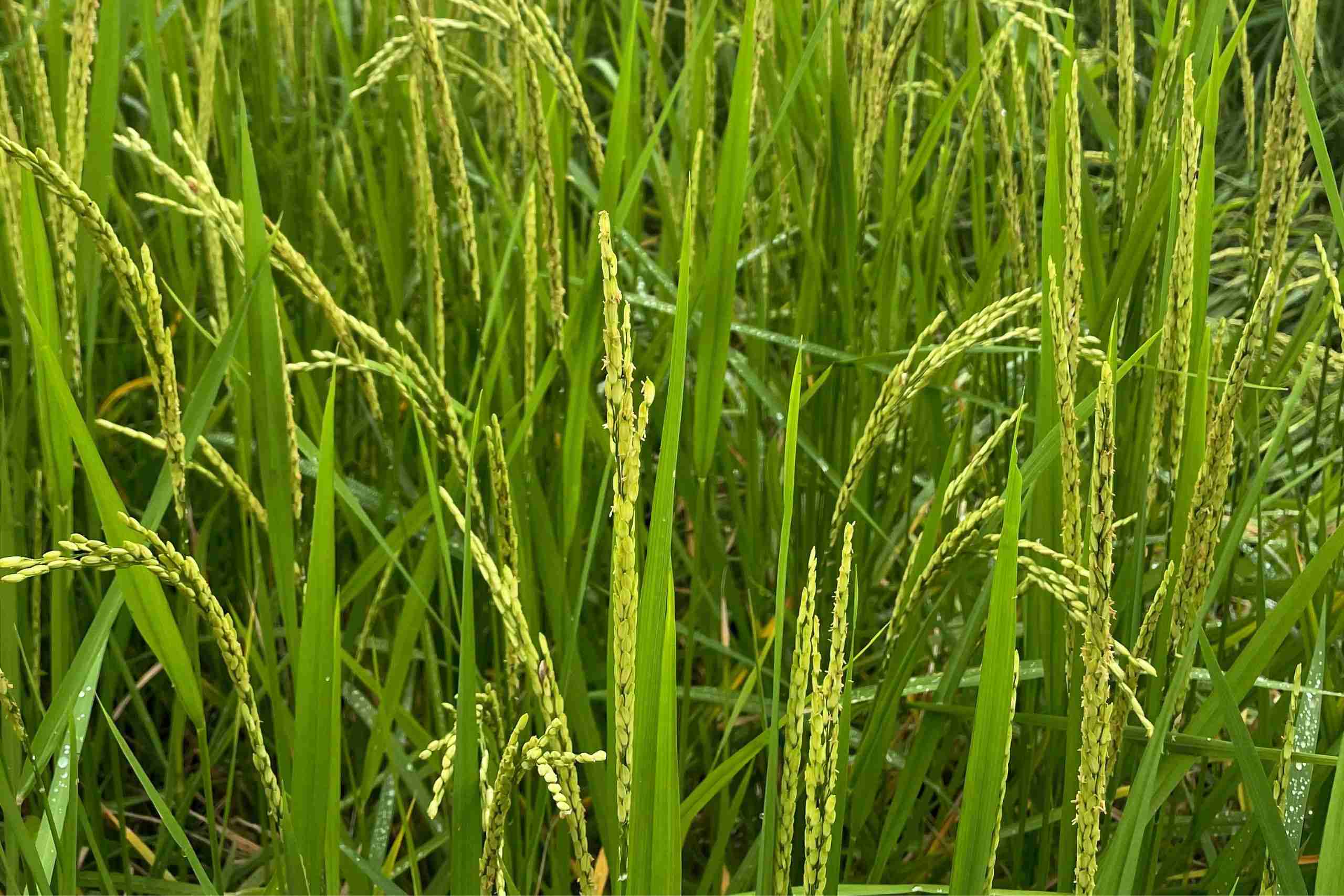
Exploring the Journey of Rice from Farm to Table
As we delve into the intricate journey of rice from the farm to our tables, one essential step is the processing plant. This is where the raw rice grains undergo a series of steps to transform into the familiar staple that graces our plates. At the processing plant, the rice goes through cleaning, milling, polishing, and packaging processes to ensure it reaches us in its best form.
**Cleaning Process:**
- Removal of impurities such as dust, stones, and husks.
- Sorting the rice grains based on size and quality.
Milling Process:
- Removal of the outer husk to reveal the brown rice.
- Milling to remove the bran layer and create white rice.
| Rice Processing Steps | Description |
|---|---|
| Cleaning | Remove impurities and sort grains |
| Milling | Remove husk and bran layer |

Key Components of a Modern Rice Processing Plant
Rice processing plants are intricate facilities that play a crucial role in transforming harvested rice grains into the polished white rice commonly found on store shelves. These modern plants are equipped with advanced machinery and sophisticated systems to ensure efficiency and quality throughout the processing journey. Let’s delve into the key components that make up a state-of-the-art rice processing plant:
1. Cleaning and Destoning: One of the initial steps in the rice processing process involves removing impurities and stones from the raw rice grains. This is achieved through a series of cleaning and destoning machines that separate foreign matter from the rice to ensure purity and food safety.
| Key Components | Function |
|---|---|
| Pre-cleaner | Removal of large impurities such as sticks and stones |
| Destoner | Sifting out stones and heavy impurities to prevent damage to milling equipment |
2. Milling and Whitening: Once the raw rice is cleaned, it undergoes the milling and whitening process to remove the outer husk and bran layers. This step is crucial in producing the desirable polished white rice that is popular among consumers worldwide. The milling and whitening machinery used in modern processing plants ensures the precise removal of these outer layers while preserving the integrity of the rice grain.
- Husker: Removes the husk layer from the rice grain
- Whitener: Polishes the rice grain to achieve the desired white appearance

Efficient Techniques for Cleaning and Milling Rice
Rice processing plants play a crucial role in ensuring that the grain we consume is clean, safe, and ready for consumption. One efficient technique that is commonly used in these plants is cleaning through sorting machines. These machines separate impurities such as stones, sticks, and broken grains from the rice, ensuring a high-quality final product for consumers.
Another essential technique is milling the rice to remove the outer husk and polish the grain. This process involves removing the bran layer to reveal the white rice underneath. By using advanced milling technology, rice processing plants can efficiently produce polished rice that is both visually appealing and nutritious for consumers.
Best Practices for Packaging and Distribution
Rice processing plants play a crucial role in ensuring that the rice we consume reaches our plates in the best possible condition. To achieve this, several best practices need to be followed throughout the packaging and distribution process. Here are some essential tips to consider:
- Quality Control: Implement strict quality control measures to ensure that only the best quality rice is packaged and distributed.
- Sustainable Packaging: Use environmentally friendly packaging materials to reduce the plant’s carbon footprint and contribute to a greener future.
- Efficient Distribution: Optimize distribution routes and methods to ensure timely delivery of rice to consumers while minimizing waste and costs.
Furthermore, maintaining proper hygiene standards in the processing plant is essential to prevent contamination and ensure the safety of the rice. Regular cleaning and sanitization of equipment and workspaces are crucial to meet food safety regulations and maintain consumer trust. By following these best practices, rice processing plants can streamline their operations and deliver high-quality rice products to customers around the world.
| Tip | Benefits |
| Implement quality control measures | Ensure only the best rice is distributed to consumers |
| Use sustainable packaging | Contribute to a greener future and reduce environmental impact |
| Optimize distribution routes | Ensure timely delivery and minimize costs |
Future Outlook
As we wrap up our journey from field to fork, the intricate process of rice processing plants has been unveiled in all its essential glory. From the meticulous care in the cultivation of rice paddies to the precision machinery used in milling and packaging, each step plays a crucial role in bringing this staple grain to our tables. Next time you sit down to enjoy a steaming bowl of rice, take a moment to appreciate the incredible journey it undertook to get there. Bon appétit!




