
From Field to Fork: The Journey of Rice Processing
Imagine a humble grain, often overlooked in the bustling aisles of grocery stores, yet central to the diets of over half the world’s population. Rice, a staple food for billions, embarks on a remarkable journey that begins in sun-kissed paddies, teeming with life, and culminates on dinner tables around the globe. But what lies between these two points? The journey of rice processing is a fascinating tale of tradition and innovation, where ancient practices meet modern technology, each step crucial in transforming a simple seed into the fragrant, fluffy rice we savor with our meals. In this exploration, we will delve into the intricate processes that rice undergoes—harvesting, milling, and packaging—unveiling the dedicated efforts of farmers, millers, and distributors that ensure this beloved grain reaches our plates in its finest form. Join us as we trace the path of rice from field to fork, enriching our understanding of this essential food source.
The Cultivation Chronicles: Understanding Rice Growth and Harvesting Techniques
The journey of rice from the field to our plates is an intricate process that embodies both tradition and innovation. After planting, rice seedlings embark on a three to six-month growth cycle, depending on the variety and environmental conditions. During this time, the farmers meticulously monitor several factors to ensure optimal growth conditions. Key steps include:
- Irrigation Management: Ensuring the rice paddies maintain optimal water levels.
- Pest Control: Utilizing integrated pest management strategies to protect the crops.
- Fertilization: Applying organic and inorganic fertilizers at the right stages of growth.
As the rice grains mature and turn a golden hue, the time for harvesting approaches. Traditionally, this is done by hand using sickles, although mechanized harvesters are becoming common in many areas. Once harvested, rice undergoes a series of processing steps to prepare it for consumption. These can be summarized in the following table:
| Processing Step | Description |
|---|---|
| Threshing | Separating grains from the stalks. |
| Winnowing | Removing chaff and impurities. |
| Drying | Reducing moisture content for storage. |
| Milling | Removing husk and bran to produce white rice. |

Innovative Milling Methods: Transforming Grain into Edible Rice
The journey of rice from field to fork is not just an agricultural process, but an intricate synergy of tradition and innovation. As farmers reap the golden sheaves, the transformation begins, paving the way for modern milling methods that revolutionize the way grain is processed. Through advanced techniques, traditional stone milling has evolved into a more efficient and precise methodology, ensuring minimal grain loss and optimal texture. Key innovations include:
- Laser Sorting: Utilizes high-precision lasers to remove impurities and imperfections.
- Water-Based Milling: Reduces heat exposure, preserving nutrients and enhancing flavor.
- Automated Systems: Increases efficiency and consistency, reducing human error in milling processes.
The application of these methods leads not only to improved product quality but also to sustainability within the industry. The integration of environmentally friendly practices ensures that the milling process minimizes waste while maximizing yield. Today’s innovative milling facilities often incorporate:
| Feature | Benefit |
|---|---|
| Energy-efficient machines | Lower carbon footprint and reduced operational costs |
| Closed-loop water systems | Conservation of water resources and decreased waste |
| Quality assurance technology | Consistent product quality meeting market demands |
This shift not only enhances the quality of the rice we enjoy but also signifies a commitment to sustainable agricultural practices. With every grain processed, the dedication to both innovation and the environment shapes the future of this staple food.
Quality Control Measures: Ensuring Safety and Consistency in Rice Processing
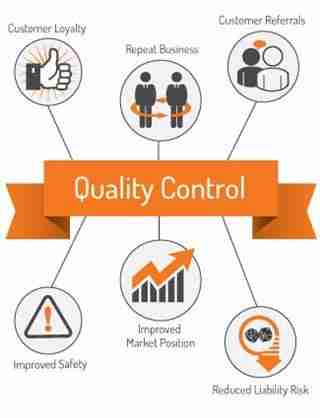
In the intricate journey from the field to your plate, the implementation of robust quality control measures is vital for the processing of rice. These measures serve not only to guarantee the safety of the product but also to uphold the consistency that consumers expect. Throughout various stages, such as harvesting, milling, and packaging, specific protocols are established to eliminate contaminants and maintain the nutritional integrity of rice. Regular inspections are critical, where parameters such as moisture content and impurity levels are meticulously monitored. This ensures that the rice not only meets safety standards but also aligns with consumer preferences for quality.
Additionally, adherence to industry regulations is essential in fostering trust among consumers. Quality control teams use advanced technologies to automate testing, allowing for rapid assessments and timely interventions when issues arise. Key aspects of quality control include:
- Visual inspections to identify any discoloration or foreign materials.
- Laboratory analyses for detecting microbial activity and chemical residues.
- Sampling techniques that provide representative batches for consistent quality evaluation.
By employing these strategies, rice processors can ensure that every grain delivered to the market not only adheres to safety standards but also meets the high expectations of consumers savoring their meals.
Sustainable Practices: Balancing Efficiency with Environmental Responsibilities
In an era where environmental concerns are paramount, the rice processing industry is embracing innovative methods to ensure production efficiency aligns with ecological stewardship. Traditional practices have often sacrificed sustainability in favor of immediate gains, but modern techniques focus on long-term health for both the planet and the industry. Some of these practices include:
- Water Conservation: Utilizing advanced irrigation systems like drip irrigation to minimize water wastage during cultivation.
- Renewable Energy Sources: Implementing solar-powered equipment at processing facilities to reduce dependency on fossil fuels.
- Waste Management: Converting by-products like rice husks into biofuel or compost, closing the waste loop effectively.
Furthermore, integrating technology plays a crucial role in reconciling efficiency with ecological concerns. Smart farming techniques, including precision agriculture, allow farmers to monitor environmental conditions and make informed decisions that optimize yields without compromising soil health or biodiversity. Key components of this technological framework are:
| Technology | Benefit |
|---|---|
| Remote Sensing | Measures crop health and optimizes resource allocation. |
| Drones | Surveys fields and provides real-time data for better planning. |
| Soil Sensors | Monitors soil moisture and nutrient levels to enhance efficiency. |
Key Takeaways
As we close the chapter on the journey of rice from field to fork, it becomes clear that this staple grain embodies a rich tapestry of cultural significance, labor, and innovation. Each grain carries with it the stories of farmers who nurture the land, the artisans who skillfully process it, and the chefs and home cooks who transform it into a beloved meal.
Understanding this journey not only deepens our appreciation for rice as a dietary staple, but it also highlights the vital importance of sustainable practices and ethical sourcing in today’s world. As we partake in this simple yet profound culinary journey, let us remember the hands that have shaped its path, ensuring that each meal is more than just sustenance—it is a celebration of connection and heritage.
Next time you savor a bowl of rice, take a moment to reflect on its journey, embracing the flavors and traditions that have been passed down through generations. After all, every grain has a story, and we are fortunate to be part of that narrative. From field to fork, the journey of rice is a reminder of our shared humanity, nourishing both body and soul.




