
From Field to Bowl: The Art and Science of Rice Processing
In the vast tapestry of global cuisine, few ingredients hold as much significance as rice. For millennia, this humble grain has served as a staple food, nourishing billions and shaping cultures across continents. But what lies beneath the surface of this seemingly simple staple? The journey from field to bowl is a meticulous dance of tradition and technology, where age-old practices intersect with modern advancements to elevate rice from just a crop to a culinary cornerstone. In this article, we delve into the intricate art and science of rice processing, exploring the steps that transform golden grains glistening in the sun into the fluffy, fragrant rice served on dinner tables around the world. Join us as we uncover the hidden layers of this journey, revealing not only the labor and innovation behind every grain, but also the cultural significance that rice embodies in our shared human experience.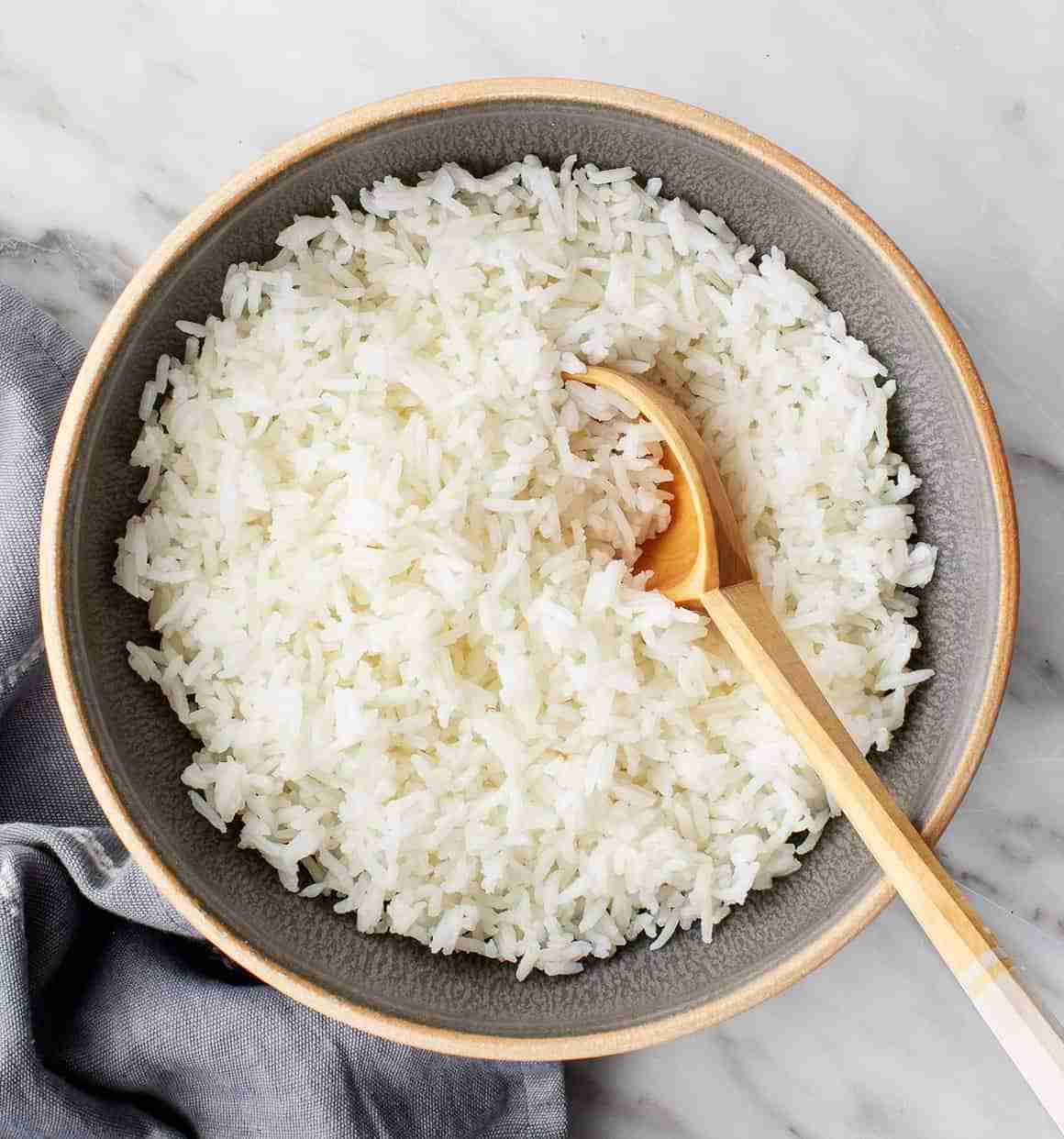
Understanding Rice Varieties and Their Unique Processing Needs
Rice is a staple food in many cultures, and its various types offer distinct flavors, textures, and culinary uses. Understanding the different rice varieties is essential for optimal preparation and consumption. Long-grain rice, such as Basmati and Jasmine, tends to remain separate and fluffy when cooked, making it ideal for pilafs and fried rice. In contrast, short-grain rice, like Sushi rice, is sticky and often used in dishes that require a clumpier texture. Medium-grain rice strikes a balance between the two, perfect for risottos or paellas. Each type demands specific handling techniques to release their best characteristics during cooking.
Processing methods also differ significantly based on the variety of rice. The journey from field to bowl involves intricate steps that can enhance or diminish quality. Basic processing techniques include hulling, where the outer husk is removed, and milling, which polishes the rice, affecting its taste and nutritional value. Some rice requires parboiling, where it is partially boiled in the husk before milling, yielding firmer grains that absorb flavor well and maintain their shape. To illustrate the diverse processing needs, consider the following table:
| Variety | Processing Method | Best Uses |
|---|---|---|
| Basmati | Soaked and steamed | Pilafs, Biryani |
| Sushi Rice | Steamed, seasoned | Sushi, Onigiri |
| Arborio | Polished | Risotto |

The Role of Technology in Enhancing Rice Quality and Efficiency
Technology has revolutionized the way rice is cultivated and processed, ultimately enhancing both quality and efficiency. Precision agriculture tools, such as GPS and sensors, help farmers monitor field conditions, ensuring optimal planting times and resource utilization. These advancements enable a more nuanced understanding of soil health, which in turn influences yield quality. Incorporating drones into this process aids in crop surveillance and mapping, allowing farmers to identify areas needing attention without extensive manual labor. Additionally, the advent of automated irrigation systems guarantees that rice paddies receive the right amount of water, preventing wastage and promoting healthier crops.
On the processing side, modern milling technology has significantly improved the transformation of harvested rice into the product we recognize. Advanced milling equipment efficiently removes husks and polishes grains, maintaining both nutritional value and flavor. Furthermore, quality control technologies such as digital sorters ensure that only the best grains make it to market, reducing waste and enhancing consumer trust. A noteworthy innovation includes computer vision systems, which can assess grain quality in real-time, allowing for immediate adjustments in processing parameters. The combination of these technologies makes it possible to produce high-quality rice while meeting the growing demands of the global food market.
Traditional Techniques vs. Modern Innovations in Rice Milling
The journey of rice from its lush fields to our dinner tables is a captivating blend of time-honored methods and cutting-edge technology. Traditional rice milling techniques, such as hand pounding and stone grinding, have been practiced for centuries, reflecting a deep-rooted cultural heritage. These approaches often celebrate the artisanal aspect of milling, relying on local resources and skills passed down through generations. Key features of these time-tested techniques include:
- Minimal Machinery: Basic tools that connect farmers with the land.
- Preservation of Flavor: The gentle milling process helps retain essential oils and nutrients.
- Community Engagement: Often performed collaboratively, fostering social bonds.
In contrast, modern innovations have revolutionized the rice milling landscape, merging efficiency with precision. Contemporary mills employ advanced machinery that minimizes waste and maximizes output. These state-of-the-art facilities utilize technologies such as automatic sorting and milling, ensuring uniform grain quality while significantly reducing processing time. Some attributes of modern rice milling include:
- High Efficiency: Increased production capacity meets growing global demand.
- Precision Mechanisms: Enhanced control over the milling process, leading to lower broken grain rates.
- Environmental Considerations: Sustainable practices through energy-efficient technological advancements.
| Aspect | Traditional Techniques | Modern Innovations |
|---|---|---|
| Production Speed | Slow | Fast |
| Grain Quality | Varied | Consistent |
| Waste Percentage | Higher | Lower |
Sustainability Practices in Rice Processing: Balancing Tradition and Progress
As the global demand for rice continues to rise, integrating sustainability practices into rice processing has become crucial for protecting the environment while enhancing productivity. Traditional methods, often rooted in cultural heritage, are now being complemented by innovative technologies. By adopting eco-friendly processing techniques, rice producers aim to lower their carbon footprints and conserve natural resources. Some key practices include:
- Water Conservation: Utilizing closed-loop water systems to minimize waste.
- Waste Management: Recycling byproducts like husks and bran into bioenergy or animal feed.
- Energy Efficiency: Implementing solar and biomass technologies to power milling operations.
- Organic Practices: Transitioning to organic fertilizers and pest control to reduce chemical dependency.
These sustainable initiatives do not only improve environmental outcomes but also enhance the quality of rice, preserving its nutritional value and flavor. The balance between tradition and progress is reflected in adaptive processing methods, where generations of knowledge meet modern advancements. A closer look at typical processing stages reveals:
| Processing Stage | Traditional Method | Sustainable Innovation |
|---|---|---|
| Harvesting | Manual cutting with sickles | Use of water-efficient machinery |
| Milling | Stone grinding | Solar-powered milling units |
| Packaging | Plastic bags | Biodegradable packaging materials |
By harmonizing traditional craftsmanship with cutting-edge technology, rice processors can cultivate a more sustainable future while honoring the rich heritage of rice cultivation. This harmonious blend not only sustains the livelihoods of farmers but also preserves the delicate balance of ecosystems, ensuring that the journey of rice from field to bowl remains rooted in responsibility and respect for nature.
Concluding Remarks
In the grand tapestry of culinary evolution, rice stands as a timeless staple, woven into the fabric of cultures around the globe. The journey from field to bowl is not merely a passage of grains; it is a harmonious blend of art and science, where tradition meets innovation. As we have explored the intricate processes that transform paddy into polished rice, it becomes evident that each step plays a crucial role in preserving quality, flavor, and nutritional value.
The dedication of farmers, the precision of engineers, and the creativity of chefs all converge at this point, reminding us that food is more than sustenance— it’s a story, an experience, and a reflection of the world we inhabit. As you savor your next bowl of rice, take a moment to appreciate the journey it has undertaken from the sun-kissed fields to your table and the collective craftsmanship that makes it all possible. In understanding this journey, we honor not just the food on our plates, but the rich heritage of those who cultivate and celebrate it every day. Let us continue to value and savor this simple yet profound grain that connects us all.




