
In the vibrant tapestry of global cuisine, few ingredients have woven their way into the cultural and culinary fabric of societies quite like rice. Among its many forms, parboiled rice stands out not only for its versatility and nutritional benefits but also for the intricate journey it undergoes from paddy to plate. This article delves into the transformative process of parboiled rice processing, uncovering the age-old techniques and modern innovations that shape its character. By exploring the methods that enhance flavor, texture, and health benefits, we aim to illuminate the significance of parboiling within the world of food production. Join us as we take a closer look at this remarkable journey—one that reflects the fusion of tradition and technology, culminating in a staple beloved across continents.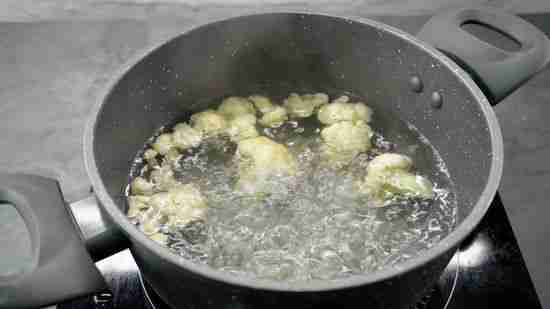
Understanding the Parboiling Process and Its Nutritional Benefits
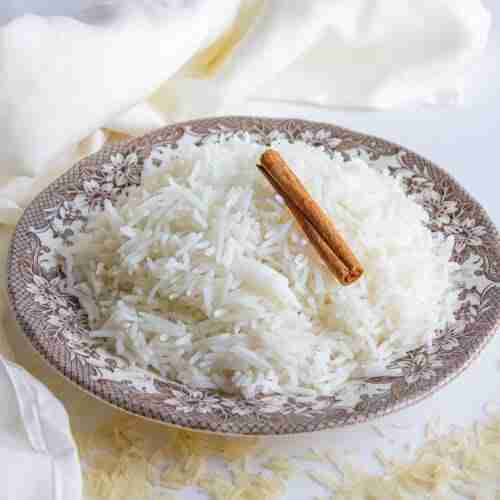
Parboiling is a remarkable technique that enhances not just the storage life of rice but also its nutritional profile. This process involves soaking, steaming, and drying the rice before milling. As a result, key vitamins and minerals from the husk are absorbed into the grain, offering a nutritional boost compared to conventional milling methods. The parboiling process also alters the structure of starches, making them less prone to clumping during cooking, and in turn, results in a fluffier texture that many find appealing. By making rice easier to digest and packed with nutrients, parboiled rice serves as a valuable addition to various dishes around the world.
In addition to improved texture and storage capability, consuming parboiled rice offers several nutritional advantages. This method ensures higher levels of essential vitamins and minerals, such as:
- B vitamins: Essential for energy metabolism
- Iron: Crucial for blood production and transporting oxygen
- Magnesium: Important for muscle and nerve function
- Fiber: Aids in digestion and promotes satiety
The nutritional value of parboiled rice can be summarized in the following table:
| Nutrient | Amount (per 100g) |
|---|---|
| Carbohydrates | 77g |
| Protein | 2.5g |
| Fat | 0.6g |
| Fiber | 1.4g |
These attributes ensure that parboiled rice is not only a versatile ingredient but also a nutritious cornerstone for a balanced diet.
Innovative Techniques in Parboiled Rice Production
The evolution of parboiled rice production has witnessed the integration of several cutting-edge techniques that enhance both the quality and efficiency of the process. Soaking is one of the primary innovations, allowing grains to absorb water before the steaming process. This not only ensures uniform cooking but also helps in retaining vital nutrients. Steam pressure control is another key component that has revolutionized production, optimizing the gelatinization of starch within the rice. This meticulous approach results in grains that are less sticky and maintain their integrity during cooking, addressing common concerns faced by consumers.
Moreover, advancements in drying technology have significantly improved the shelf-life and storage of parboiled rice. Techniques such as airflow drying and infrared drying facilitate faster moisture removal, preventing spoilage and enhancing flavor retention. In addition, the implementation of quality assessment tools has become indispensable. Utilizing color sorting and infrared spectroscopy, producers can ensure that only the highest quality grains reach retailers and consumers. The synergy of these innovative practices not only boosts productivity but also aligns with sustainable production goals, making parboiled rice an attractive option for health-conscious and environmentally aware consumers.
| Technique | Benefit |
|---|---|
| Soaking | Improves uniformity and nutrient retention |
| Steam Pressure Control | Enhances grain integrity and reduces stickiness |
| Airflow Drying | Prolongs shelf-life and enhances flavor |
| Quality Assessment Tools | Ensures high-quality grains for consumers |
Sustainability Practices in Rice Processing for Environmental Impact
In the quest for a more sustainable future, rice processing methods are adopting innovative practices that not only enhance the quality of parboiled rice but also significantly reduce environmental impacts. One of the key approaches involves the efficiency of water usage. Traditional rice milling methods are notorious for their high water consumption, but modern techniques utilize closed-loop systems that recycle water throughout the processing cycle. This not only conserves precious water resources but also minimizes wastewater discharge. Another critical aspect is the utilization of renewable energy sources. Many mills are now incorporating solar panels and bioenergy systems, harnessing natural resources to power operations, thereby decreasing reliance on fossil fuels and mitigating greenhouse gas emissions.
Furthermore, optimizing the processing stages plays a crucial role in reducing the carbon footprint associated with rice production. Implementing energy-efficient machinery cuts down energy consumption significantly, while investment in waste management solutions ensures that by-products such as husks and bran are repurposed for other uses, such as animal feed or biofuel. This shift not only promotes a circular economy but also contributes to soil health when these by-products are composted. The table below highlights the key sustainability practices adopted in modern rice processing and their corresponding environmental benefits:
| Practice | Environmental Benefit |
|---|---|
| Water Recycling | Reduces water consumption and minimizes wastewater |
| Renewable Energy | Lowers dependency on fossil fuels and reduces emissions |
| Energy-Efficient Machinery | Decreases energy usage during processing |
| Waste Utilization | Supports a circular economy and improves soil health |
Market Trends and Consumer Preferences in Parboiled Rice Products
The demand for parboiled rice has surged in recent years, fueled by a growing recognition of its nutritional benefits and culinary versatility. Consumers are increasingly aware of the advantages of incorporating parboiled rice into their diets, including higher nutrient retention and improved digestibility compared to regular white rice. As health consciousness rises, more people are prioritizing products that align with a balanced diet, leading to significant interest in items that offer both quality and health benefits. Current trends highlight preferences toward products that are natural, minimally processed, and sustainable, prompting manufacturers to focus on eco-friendly packaging and ethical sourcing practices.
Market research shows that the following factors are influencing consumer choices when it comes to parboiled rice products:
- Flavor and Texture: Consumers appreciate the nutty flavor and firm texture that parboiled rice offers, making it a popular choice for various cuisines.
- Nutritional Awareness: There is a notable shift towards healthier eating habits; parboiled rice is often seen as a better alternative to traditional rice due to its enriched content.
- Convenience: With fast-paced lifestyles dominating consumer habits, products that require minimal cooking time or come in easy-to-use packaging are gaining traction.
- Ethical Consumption: Shoppers are increasingly opting for brands that support fair trade practices and demonstrate environmental stewardship.
| Consumer Preferences | Trending Features | Impact on Market |
|---|---|---|
| Nutritional Benefits | High in vitamins and minerals | Greater market share for health-oriented brands |
| Flavor Profile | Distinctive nutty taste | Increased popularity in global cuisines |
| Cooking Convenience | Quick cooking times | Attracting busy families and professionals |
To Conclude
As we conclude our exploration of the transformative journey of parboiled rice processing, we find ourselves at a fascinating intersection of science, tradition, and sustenance. From the meticulous soaking and steaming processes that unlock the grain’s full potential to the cultural significance that parboiled rice holds in various cuisines around the world, this humble staple reveals itself to be much more than just a dietary component.
Through innovation and age-old practices, the parboiling technique not only enhances the nutritional profile of rice but also preserves the integrity of flavors, bridging generations and communities. As we harvest insights from this intricate journey, it becomes clear that the story of parboiled rice is a testament to human ingenuity and resilience, resonating beyond the kitchen and into our broader understanding of food sustainability and health.
As we move forward, may we continue to celebrate and appreciate the transformative processes behind the foods we consume, recognizing that every grain tells a story—one that nourishes not only our bodies but also our shared connections to culture and heritage. So, as you enjoy your next bowl of parboiled rice, remember that every bite is a reflection of centuries of innovation and tradition, a celebration of the journey from field to plate.




