
Exploring Parboiled Rice Processing: A Glimpse Inside the Plant
In the world of grains, rice stands as a staple for billions, weaving its way into cultures and cuisines across the globe. Yet, not all rice is created equal; among the myriad varieties, parboiled rice holds a unique position. Known for its distinctive texture and enhanced nutritional profile, this rice undergoes a fascinating transformation before it graces our plates. But what exactly happens behind the scenes in the processing plants where parboiled rice is crafted? Journey with us as we pull back the curtain on the intricate machinery, techniques, and science that turn raw paddy into the beloved commodity we recognize. This exploration invites you to witness the meticulous steps involved, from harvesting to steaming and drying, as we uncover the secrets of parboiled rice processing and its impact on quality, flavor, and sustainability.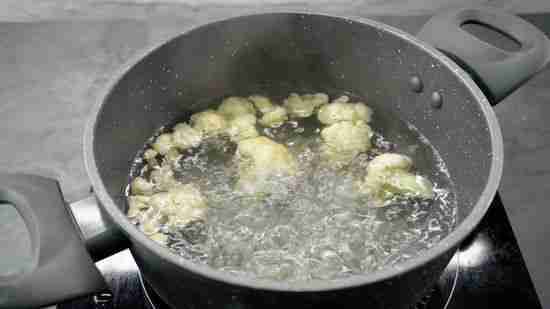
Understanding the Parboiling Process: The Science Behind the Grain
The parboiling process begins with the rice grains being soaked in water, allowing them to absorb moisture and swell. This initial step is crucial as it makes the rice softer and prepares it for cooking. Following the soaking, the grains are steamed, which helps gelatinize the starches present within. This transformation significantly enhances the nutritional value of the rice, as essential vitamins and minerals from the bran layer migrate into the grain. Once the steaming is complete, the rice is dried to reduce its moisture content, making it ready for milling and packaging. The entire process not only preserves the color and texture of the rice but also contributes to a unique flavor profile that sets parboiled rice apart from other varieties.
Here are some key benefits of the parboiling process:
- Nutrient retention: Boosts nutrient availability by infusing the rice with vitamins and minerals.
- Improved cooking performance: Results in grains that are firmer and less sticky when cooked.
- Extended shelf life: Enhanced resistance to spoilage due to reduced moisture content.
To further illustrate these benefits, consider the following table showcasing the differences between parboiled rice and regular white rice:
| Feature | Parboiled Rice | Regular White Rice |
|---|---|---|
| Cooking time | Shorter | Longer |
| Nutritional content | Higher | Lower |
| Texture | Fluffy | Sticky |
| Shelf life | Longer | Shorter |

Technology in Action: Innovations in Parboiled Rice Processing Plants
The advancements in technology have considerably transformed the landscape of rice processing, particularly within the domain of parboiled rice plants. These innovations not only enhance efficiency but also elevate the quality of the final product. Among the most significant innovations are:
- Automated Processing Systems: Modern plants utilize fully automated systems that monitor every stage, from steaming to drying. This ensures consistent processing and minimizes human error.
- Energy-Efficient Machinery: The latest machines are designed to reduce energy consumption, adopting more sustainable practices that lower operational costs.
- Digital Quality Control: Advanced sensors and AI-driven technologies enable real-time quality assessments, allowing instant adjustments to maintain the highest standards.
Moreover, many processing facilities now leverage data analytics to optimize operations and forecast production needs. This includes:
| Technology | Benefits |
|---|---|
| IoT Connectivity | Real-time monitoring and predictive maintenance. |
| Robotics | Increased speed and precision in handling grains. |
| Blockchain | Enhanced traceability from farm to table. |
Quality Control Measures: Ensuring Premium Parboiled Rice Production
Ensuring the highest quality in parboiled rice production involves an array of meticulous measures that span from sourcing raw materials to the final packaging stage. The journey commences with the careful selection of paddy rice, where only the highest grade grains are chosen for processing. Each batch undergoes visual inspections for foreign materials, color consistency, and size uniformity, establishing a solid foundation for superior quality. Additionally, moisture content plays a pivotal role in achieving the perfect texture and taste, with moisture analyzers utilized to maintain optimal levels before processing.
Once the rice passes the initial inspections, the production process incorporates stringent quality checkpoints that further enhance its premium nature. During parboiling, several key factors are monitored: temperature, time, and pressure. Consistency in these parameters ensures that the grains retain more nutrients and are less prone to breakage. After parboiling, the rice undergoes thorough drying and cooling, where airflow and humidity are controlled to prevent spoilage. The final stage includes a comprehensive grading process, where rice is sorted based on quality, size, and appearance, and finally packaged with protective measures, ensuring it remains free from contaminants until it reaches the consumer.
| Quality Control Measure | Description | Purpose |
|---|---|---|
| Raw Material Selection | Choosing high-grade paddy rice | Foundation for premium quality |
| Moisture Content Analysis | Using moisture analyzers | Ensure proper texture and taste |
| Parboiling Parameters | Monitoring temperature, time, pressure | Retain nutrients and reduce breakage |
| Post-Parboiling Drying | Controlling airflow and humidity | Avoid spoilage and maintain quality |
| Grading Process | Sorting based on quality and size | Ensure consistency in final product |
Sustainability Practices: Reducing the Environmental Impact of Rice Processing
In the quest for sustainable rice processing, adopting eco-friendly practices is essential to minimize the environmental footprint of rice production. Many processing plants are transitioning to energy-efficient machinery, which not only reduces power consumption but also lowers greenhouse gas emissions. Additionally, the implementation of water recycling systems ensures minimal waste, allowing plants to utilize the same water multiple times throughout the parboiling process. Such innovations contribute significantly to a reduced ecological impact, while also enhancing the plant’s efficiency.
Moreover, there’s a growing trend towards using alternative energy sources, such as solar or biomass, to fuel operations. This shift not only fosters sustainability but also provides cost savings over conventional fossil fuels. Furthermore, educational initiatives within the community encourage farmers to adopt sustainable agricultural practices, such as integrated pest management and organic cultivation methods. These efforts create a holistic approach to sustainability that reinforces the entire rice supply chain.
| Sustainable Practice | Benefits |
|---|---|
| Energy-efficient machinery | Reduces power consumption and emissions |
| Water recycling systems | Minimizes water waste |
| Alternative energy sources | Lowers reliance on fossil fuels |
| Community education | Promotes sustainable farming practices |
To Conclude
As we conclude our journey through the intricate processes of parboiled rice production, we are left with a deeper appreciation for the craftsmanship and precision that defines this essential staple. From the steaming of raw paddy to the careful milling that unlocks its nutrition, each step in the plant reveals a story of tradition, innovation, and sustainability. Understanding these processes not only enhances our knowledge of what we consume but also highlights the importance of embracing quality and method in our food choices.
As you reflect on the insights gleaned from behind the scenes, consider the hands and technologies that bring parboiled rice from farm to table. The next time you savor that fluffy, golden grain, remember that it embodies a journey defined by careful planning and a commitment to excellence. The world of parboiled rice is not just about nourishment; it is about the connection we share with our food sources and the dedication that helps sustain them. Thank you for exploring this fascinating facet of our food system with us—may your culinary adventures continue to be enriched by this newfound awareness!




