in the heart of countless kitchens and the cornerstone of staple diets worldwide, rice transcends mere sustenance to become a symbol of culture and tradition. Yet, behind every fluffy grain lies a complex journey of processing that has evolved dramatically over the years—thanks in large part to the innovation in rice milling technology. From rudimentary methods that relied on human labor to today’s refined machines that marry precision with efficiency, the evolution of rice milling machines has significantly influenced not onyl the quality of this cherished grain but also the livelihoods of millions who depend on it. Join us as we explore the transformative journey of rice milling, unveiling how advancements in machinery have unlocked new standards of quality and sustainability, shaping the future of this essential agricultural product.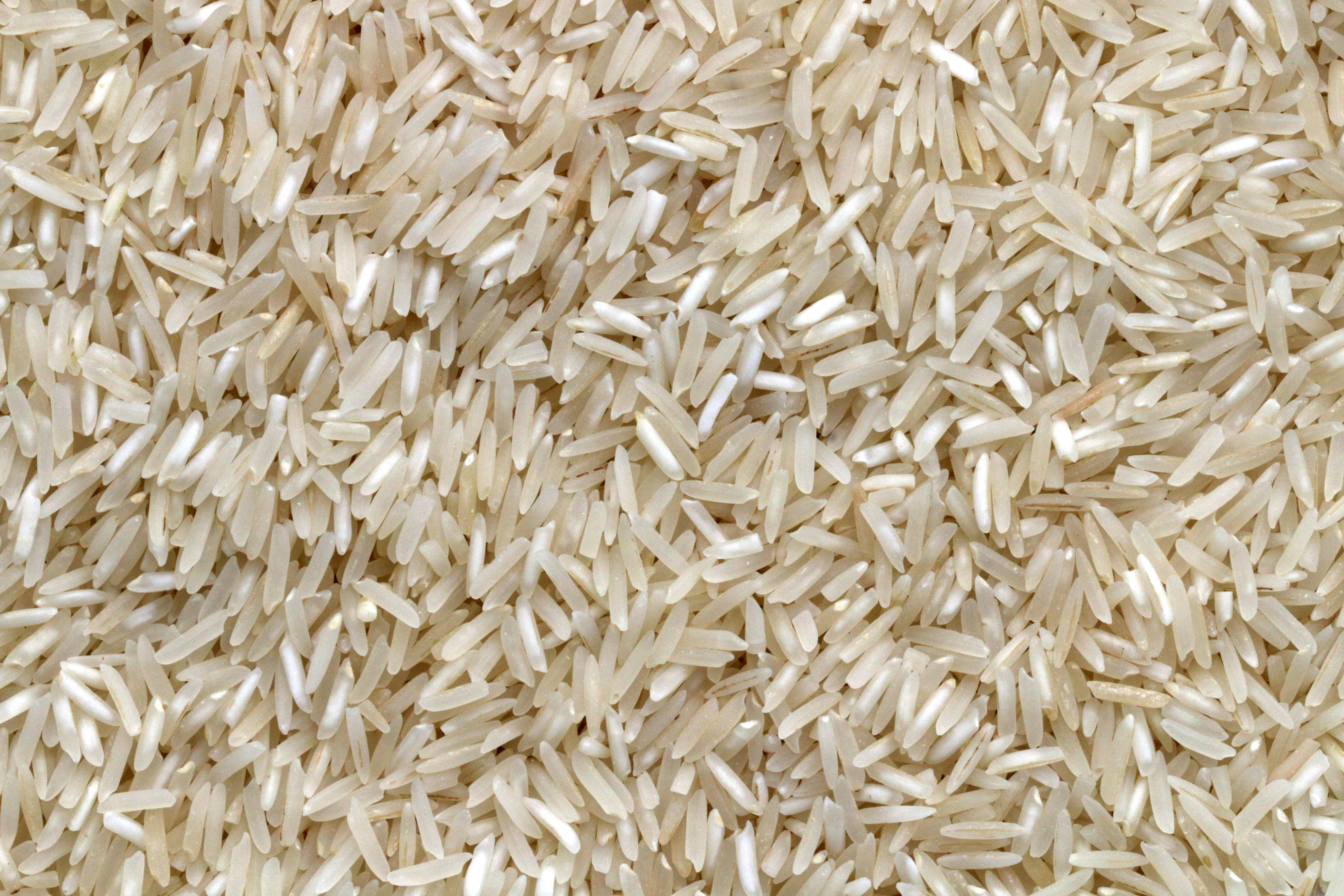
the Historical Journey of Rice Milling Technology
Rice milling technology has undergone a remarkable transformation from its rudimentary beginnings to the sophisticated systems we see today. Originally, rice processing relied on manual methods such as hand pounding and grinding using stone tools. These customary techniques, while effective, were labor-intensive and time-consuming.As societies began to industrialize, the need for efficiency led to innovations in milling technology. The introduction of basic milling machines in the 19th century marked a meaningful shift, enabling farmers and millers to process larger quantities of rice with greater speed. The advent of mechanical huskers, then later, automatic machines revolutionized the industry, enhancing productivity and consistency in rice quality.
By the mid-20th century, advancements in technology resulted in the development of the first modern rice milling systems. These machines featured better hulling efficiency and cost-effectiveness, which provided not only higher quality rice but also increased yield. Major innovations included the introduction of multi-stage milling systems that incorporated various processes – from husking to polishing – all in one setup. Today’s state-of-the-art rice milling plants employ sophisticated technology such as laser sorting, digital control systems, and environmental monitoring, reflecting a commitment to sustainability and quality. The evolution of rice milling technology has not only improved the global supply chain but also contributed to food security worldwide.
| Era | Key Innovation | Impact on Milling |
|---|---|---|
| Ancient Times | Manual pounding | Time-consuming and labor-intensive |
| 19th Century | Mechanical huskers | Increased processing speed |
| Mid 20th Century | Modern milling machines | Higher quality and yield |
| 21st Century | Digital and automated systems | Sustainability and efficiency |

Innovative Advances in Milling Efficiency and Precision
As rice milling processes advance, the integration of smart technology and automation has redefined the landscape of grain processing. Modern rice milling machines are now equipped with sophisticated sensors and data analytics tools that ensure the highest level of efficiency and precision. These innovations enable real-time monitoring of milling parameters, allowing for immediate adjustments that optimize output without compromising quality. The adoption of advanced micromilling techniques minimizes grain damage and enhances the nutritional profile of the rice, leading to a superior end product.
Furthermore, recent advancements have brought about the introduction of energy-efficient designs and modular components, which cater to varying scales of production while significantly reducing waste.The benefits of these improved designs can be summarized as follows:
- Enhanced Yield: Maximizes the quantity of milled rice obtained from raw paddy.
- Reduced Breakage: Lowers the rate of cracked grains, preserving the aesthetic and market value.
- Automation Capabilities: Streamlines operations through automated feeding and discharge systems.
- Data-Driven Insights: facilitates predictive maintenance and operational improvements based on historical data.
| Feature | Benefit |
|---|---|
| Smart Sensors | Optimizes milling conditions |
| Energy Efficiency | Reduces operational costs |
| Modular design | Adapts to different production needs |
Sustainability practices in Modern Rice milling
In the quest for quality and efficiency, modern rice milling has embraced a variety of sustainability practices that not only enhance production but also safeguard the environment. One significant advancement is the integration of renewable energy sources, such as solar and wind power, into milling operations. This shift reduces reliance on fossil fuels, leading to lower operational costs and a minimized carbon footprint. Moreover, rice millers are investing in water recycling systems, allowing them to reuse water in the milling process and reduce waste. This innovative approach conserves one of our most precious resources while maintaining the necessary standards of hygiene and quality.
Additionally, waste management has evolved as a critical component of sustainability in rice milling.By-products from milling,such as rice husks and bran,are now frequently enough repurposed into value-added products.These include biofuels, animal feed, and even organic fertilizers, creating a circular economy within the rice industry. The implementation of energy-efficient milling technologies further complements these practices, reducing energy consumption and improving overall productivity. This not only leads to better quality rice but also promotes a healthier planet, demonstrating how advancements in technology can interlink with environmentally friendly initiatives.
| Sustainability Practice | Impact |
|---|---|
| Renewable Energy Use | Reduced carbon emissions |
| Water Recycling Systems | Conserved water resources |
| Waste Management | Creation of value-added products |
| Energy-Efficient Technologies | Lower energy consumption |
Selecting the Right Milling Equipment for Quality Assurance
When considering the optimal machinery for rice milling, several factors come into play that can directly influence the quality of the final product.Selecting the right milling equipment requires a keen understanding of the specifications and features that contribute to efficiency and precision. Some key aspects to evaluate include:
- Capacity: Depending on the scale of production, the milling equipment should meet the required output without compromising quality.
- Type of Milling Technology: Options such as traditional stone milling versus modern steel milling can impact not only the texture but also the nutritional value of the rice.
- maintenance and Durability: Equipment that requires less frequent maintenance will not only save on costs but also lead to uninterrupted production processes.
Alongside these considerations, the integration of advanced technology into rice milling machines has proven instrumental in quality assurance. Features such as automated sorting systems, moisture control sensors, and real-time monitoring can greatly enhance the milling outcome. A comparative analysis of available technologies can help identify which machines best suit specific production needs:
| Technology | Benefits |
|---|---|
| Automated Sorting | Improves uniformity and reduces waste |
| Moisture control Sensors | Enhances shelf life and quality of rice |
| Real-time Monitoring | Allows for instant adjustments in the milling process |
In Summary
As we conclude our exploration of the remarkable journey of rice milling machines, it’s evident that these innovations are more than just mechanical entities; they are pivotal players in the story of food production and agricultural advancement. From humble beginnings rooted in traditional methods to the sophisticated, high-tech machinery of today, the evolution of rice milling technology reflects our persistent quest for quality and efficiency in food processing.These machines not only ensure that rice – a staple for billions – is refined to perfection but also embody the intricate balance between tradition and modernity.As challenges in agriculture continue to evolve,so too will the technology that supports it. The future promises even more enhancements, with smart features and sustainable practices shaping the next generation of rice milling.
In the grand tapestry of global agriculture, the importance of quality remains paramount. just as each grain of rice holds the potential for nourishment and sustenance,each advancement in milling technology unlocks new pathways for progress—highlighting our shared commitment to feeding the world with integrity and excellence. So, as we look ahead, let’s embrace the innovations yet to come, continuing to unlock the full potential of rice, one machine at a time.