
Unlocking Potential: The Versatility of Rice Milling Machines
In the heart of the agricultural landscape, where tradition meets innovation, rice milling machines stand as unsung heroes, seamlessly transforming a humble grain into a culinary staple enjoyed across the globe. As societies evolve and demands shift, these machines have adapted, offering more than just efficiency in grain processing—they represent a fusion of technology and craftsmanship that unlocks endless possibilities. From small-scale family farms to large commercial operations, the versatility of rice milling machines not only enhances productivity but also empowers farmers to maximize the potential of their harvests. In this exploration, we will delve into the multifaceted roles of rice milling machines, highlighting how they contribute to food security, economic growth, and the sustainability of rice production in an ever-changing world.
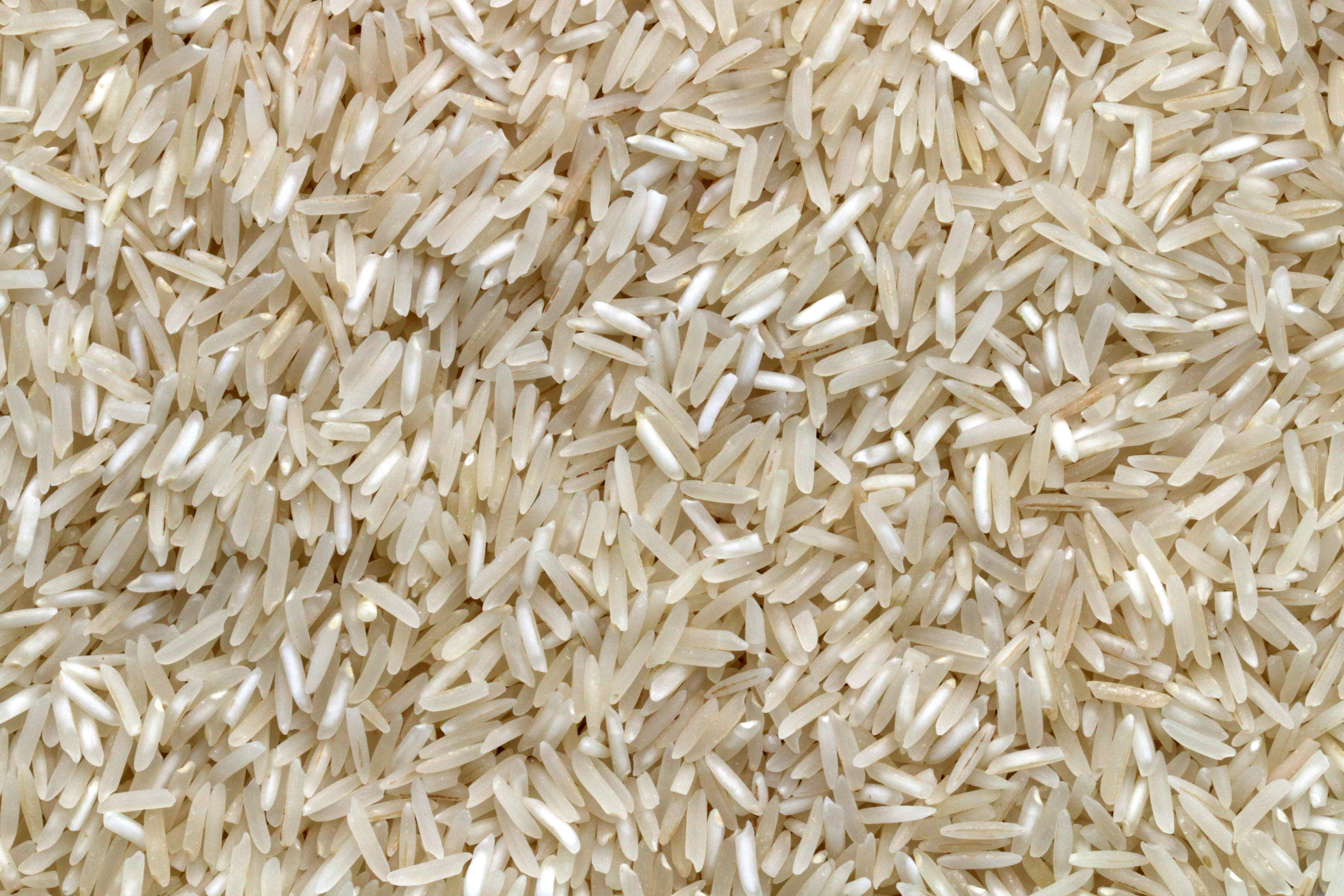
Exploring the Mechanics Behind Rice Milling Technology
Rice milling technology has undergone significant advancements, transforming the humble grain into a versatile staple enjoyed worldwide. The mechanics behind these machines are fascinating, involving a symphony of various components working in perfect harmony. Central to the process are the huskers, which remove the outer husk of paddy rice; the whitener, which polishes the grain to enhance its aesthetic appeal; and the grader, which ensures uniformity by sorting grains based on size and quality. Together, these parts create a streamlined process for efficient milling, where each step is crucial to achieving optimal results.
The efficiencies gained through modern rice milling technology bring considerable benefits not only to grain processors but also to consumers. For instance, these advancements help in achieving high-quality rice with minimal waste, thus maximizing yield. Furthermore, innovations such as automated control systems and energy-efficient designs contribute to decreased operational costs. Additionally, the integration of technology enables real-time monitoring of the milling process, allowing for consistent quality control. The following table highlights some key features of modern rice milling machines:
| Feature | Description |
|---|---|
| Automation | Reduces manual labor and enhances efficiency. |
| Energy Efficiency | Minimizes energy consumption during milling. |
| Quality Control Systems | Ensures uniform grain quality and market readiness. |
| Flexible Settings | Allows adjustments for different rice varieties. |

Transforming Raw Grain: The Process and Benefits of Rice Milling
Rice milling is an essential process that transforms raw grain into one of the world’s staple foods. The journey begins with careful cleaning and removal of unwanted materials, ensuring only high-quality grains move forward. This is followed by hulling,wherein the tough outer shell,or husk,is removed,exposing the edible white rice inside.The process continues with polishing, which enhances the appearance and taste by removing the bran layers. Each step is critical, allowing consumers to enjoy rice that is not only aesthetically pleasing but also nutritious and flavorful.
The benefits of rice milling extend beyond aesthetics and taste; they also contribute considerably to food security and economic growth. By efficiently processing rice, mills can produce high yields, reducing waste and meeting local and international demands. Furthermore,the byproducts generated during milling,such as rice bran,can be repurposed into valuable products such as oil and animal feed. This multifaceted approach enhances sustainability and drives profitability for farmers and millers alike.
| Step | Description | Benefits |
|---|---|---|
| Cleaning | Removes impurities and foreign materials | Ensures quality and safety |
| Hulling | separates the husk from the grain | Increases marketability |
| Polishing | Enhances the grain’s appearance | Improves flavor and texture |
Diverse Applications: Beyond Traditional Rice Production
The innovation in rice milling machines has paved the way for numerous applications that extend far beyond the conventional realm of rice production. these machines have evolved to accommodate a variety of grains and pulses, enhancing food security and promoting agricultural diversity. As an example, farmers can now process millet, sorghum, and quinoa, broadening their crop portfolios while enhancing nutritional offerings. This versatility not only supports local economies but also encourages lasting farming practices, further reducing reliance on monoculture crops.
Moreover, advancements in milling technology have unlocked the potential for utilizing rice husks and bran, addressing waste management challenges and promoting eco-amiable initiatives. The by-products of rice milling can be transformed into high-value products, including:
- Biofuels: Rice husks can be converted into biomass energy, providing a sustainable energy source.
- Poultry and Livestock Feed: Rice bran is nutrient-rich and serves as an excellent ingredient in animal feed.
- Health Supplements: Bran oil extracted from rice bran is renowned for its health benefits and culinary uses.
As rice milling machines adapt to these diverse applications, they continue to play a crucial role in promoting food security, enhancing sustainability, and creating new economic opportunities.
Choosing the Right Rice Milling Machine for Your Needs
When it comes to selecting a rice milling machine, it’s essential to consider several key factors that align with your specific production requirements. First, evaluate the capacity of the machine, which should match your operational scale—whether you are a small family-owned business or a large commercial operation. Additionally, consider the type of rice you will be processing; certain machines are designed for specific varieties like brown, white, or parboiled rice, affecting the level of efficiency and quality in the final product. The layout of your processing facility can also play a crucial role; compact machines may be suitable for limited spaces, whereas modular, expandable models are ideal for future scaling.
Another significant factor to take into account is the machine’s features and technology. Opt for machines that offer versatility, allowing for different milling processes, such as husking, whitening, and polishing, all in one unit. Modern machines often come equipped with automated controls that ensure precise milling and improved yield rates, which can substantially enhance overall productivity. Moreover,pay attention to maintenance requirements—whether the machine allows for easy troubleshooting and access to spare parts can influence your long-term operational efficiency.Here’s a quick comparison table of some popular rice milling machines based on various features:
| Machine Model | Capacity (kg/h) | Key Features |
|---|---|---|
| Model A | 300 | Compact, Multi-function, Easy to operate |
| Model B | 600 | High efficiency, Automated control, Low maintenance |
| Model C | 1000 | Large capacity, Versatile processing options, Energy-efficient |
In Summary
As we conclude our exploration of rice milling machines and their multifaceted applications, it becomes clear that these ingenious devices are much more than mere agricultural tools. They embody the intersection of tradition and innovation, unlocking a world of possibilities for farmers, entrepreneurs, and consumers alike. By harnessing the power of technology, we not only enhance the efficiency of rice production but also preserve the cultural significance of this staple grain. With every grain milled and every community empowered, rice milling machines stand as testament to our ability to adapt, evolve, and thrive in an ever-changing landscape. As we move forward,let us continue to embrace the potential of these machines,ensuring they play a vital role in shaping sustainable food systems and fueling economic growth around the globe.The journey of rice milling is just beginning, and its future promises to be as rich and diverse as the grains themselves.




