
Unlocking Perfection: The Complete Rice Milling Machine Guide
In a world where culinary excellence is cherished and the quest for quality ingredients reigns supreme, rice, one of the most consumed staples globally, stands at the forefront of this gastronomic journey. Yet, the journey of rice from paddy field to plate is far from simple. It involves a crucial stage where the raw grains are transformed into the polished, fluffy rice we delight in. This intricate process is made possible by the unsung hero of the food industry: the rice milling machine.
In this comprehensive guide, we delve into the nuances of rice milling technology, demystifying the machinery that plays a pivotal role in achieving that perfect grain. From understanding the various types of milling machines to exploring cutting-edge innovations that enhance efficiency and quality, we will equip you with the knowledge needed to unlock the potential of your rice milling endeavors. Whether you are a farmer seeking to elevate your post-harvest processing, an entrepreneur aiming to enter the rice market, or simply a culinary enthusiast curious about the magic behind the rice on your plate, this guide serves as your key to mastering the art and science of rice milling. Join us as we embark on this enlightening voyage to perfection.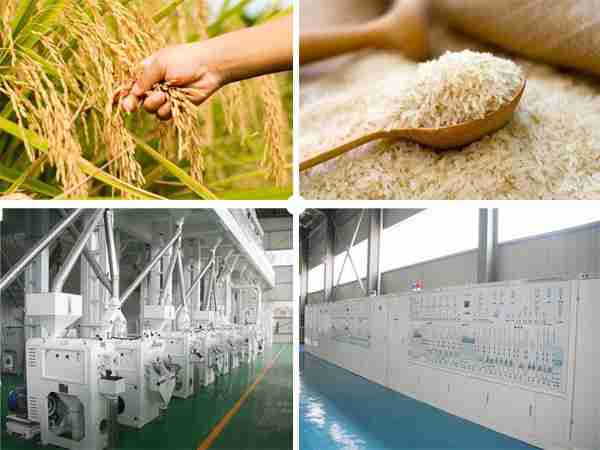
Understanding the Rice Milling Process and Its Importance
The rice milling process is a crucial step in transforming harvested paddy into the white, polished rice that graces our tables. This intricate journey begins with the cleaning of paddy, removing dirt and impurities before the grains undergo hulling to separate the rice from its tough outer shell. Subsequent steps such as bran removal and polishing refine the rice further, ensuring that it not only meets quality standards but also enhances its appeal and preservation. The efficiency of the milling process is paramount, as even slight inefficiencies can lead to significant loss in yield and quality, emphasizing the need for advanced milling technologies in modern agriculture.
As societies evolve and the demand for high-quality rice increases, understanding the nuances of the milling process becomes essential. While traditional methods may still hold significance in some regions, the introduction of automated milling machines has revolutionized the industry. These machines not only ensure uniformity in size and texture but also minimize waste and optimize production. Consider the following benefits of modern rice milling practices, as illustrated in the table below:
| Benefits of Modern Rice Milling | Description |
|---|---|
| Quality Enhancement | Improves the taste, aroma, and nutritional profile of rice. |
| Increased Yield | Maximizes grain recovery through efficient milling. |
| Reduced Waste | Minimizes byproducts and optimizes resource usage. |
| Automation | Enhances efficiency and reliability in the milling process. |
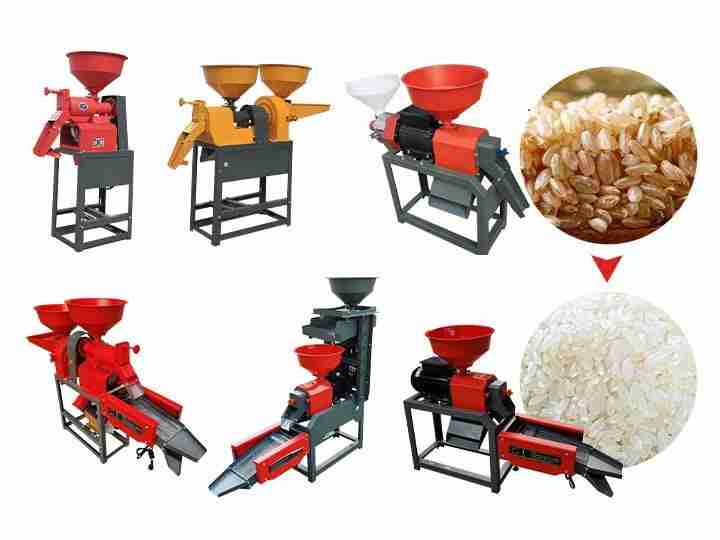
Choosing the Right Rice Milling Machine for Your Needs
Investing in a rice milling machine is no small decision, as it can significantly impact the quality of your rice and, consequently, your business. When making this choice, consider several essential factors to ensure you select the ideal machine for your specific requirements. Start by evaluating your production volume; machines vary from small, compact models for local family businesses to large-scale operations designed for commercial purposes. Additionally, the consistency and quality of rice produced should guide your decision. Machines that offer adjustable settings allow for personalization based on the type of rice being processed, which enhances the final product’s appeal.
Another crucial aspect is the technology and features of the milling machine. Features such as automated systems, easy cleaning, and low maintenance can save you time and effort in the long run. Moreover, consider the energy efficiency of the model, as this can significantly affect operational costs. A well-suited rice milling machine should not only meet your current demands but also have the capability to adapt to your future needs. When comparing different models, you might find it helpful to create a simple reference table, as shown below:
| Feature | Model A | Model B | Model C |
|---|---|---|---|
| Production Capacity | 500 kg/hour | 1000 kg/hour | 1500 kg/hour |
| Energy Consumption | 1.5 kW | 2.2 kW | 2.8 kW |
| Automation Level | Manual | Semi-Automatic | Fully Automatic |
By weighing these factors carefully and comparing alternative options, you can enhance your decision-making process and find the rice milling machine best suited to your operational goals. Always remember to align your choice with both your financial budget and long-term growth ambitions, ensuring your investment leads to increased profitability and superior rice quality.
Key Features to Look for in Modern Rice Milling Equipment
When selecting modern rice milling equipment, efficiency and yield are paramount. Look for machines equipped with high-performance motors that can handle large volumes while minimizing energy consumption. Features such as automated polishing units, which enhance the appearance and quality of rice, are essential. Additionally, adjustable settings for milling parameters enable operators to refine their processes according to the type of rice being processed, resulting in superior output. Advanced dust and bran separation systems can also improve the quality of the finished product while reducing waste.
Another critical aspect to consider is the integrated technology that supports digital monitoring and control. Some modern rice mills come with smart sensors that provide real-time data on the milling process, allowing for immediate adjustments and improving overall productivity. Look for systems that offer easy maintenance, where components can be easily accessed or replaced, ensuring minimal downtime. Safety features, such as emergency stop switches and protective enclosures, are vital as they contribute to a safer working environment for operators.
Maintaining and Optimizing Your Rice Milling Operation for Peak Performance
To achieve optimum efficiency in your rice milling operation, it’s essential to implement a systematic maintenance schedule. This not only prolongs the lifespan of your equipment but also ensures that every grain of rice is milled to perfection. Consider the following key components to focus on:
- Regular Cleaning: Dust and residue can impede machine function, so a thorough cleaning after each milling session is crucial.
- Lubrication: Timely lubrication of moving parts can significantly reduce wear and tear, enhancing performance and reducing downtime.
- Calibration Checks: Regularly check and calibrate your milling machines to ensure they are operating within the desired parameters for moisture content and grain size.
In addition to a solid maintenance plan, optimizing your rice milling operation involves analyzing your workflow for potential improvements. Assessing the layout and flow of your operation can lead to better efficiency and productivity. It may benefit you to conduct time and motion studies to pinpoint bottlenecks in the milling process. Consider these strategies to boost performance:
- Equipment Upgrades: Investing in newer, more efficient machinery can provide significant returns through improved throughput and reduced energy consumption.
- Training Staff: Ensuring that all personnel are well-trained in operating and troubleshooting machines can minimize errors and enhance overall productivity.
- Data Analytics: Utilize data collected from operations to identify trends and areas needing improvement, facilitating informed decisions based on real-time performance metrics.
| Equipment Maintenance Tips | Frequency |
|---|---|
| Clean Filters | Daily |
| Inspect Hoppers | Weekly |
| Check Oil Levels | Monthly |
| Full Equipment Overhaul | Annually |
Key Takeaways
As we conclude our exploration of “Unlocking Perfection: The Complete Rice Milling Machine Guide,” we hope you now possess a clearer vision of the intricate world of rice milling technology. From understanding the various machines and their functions to recognizing how modern advancements can elevate traditional practices, the journey through this guide has equipped you with essential insights.
In an era where efficiency meets quality, harnessing the right equipment can make all the difference in achieving that perfect grain. Whether you’re a seasoned miller or an aspiring entrepreneur, the knowledge you’ve gained here will serve as a solid foundation for informed decision-making in your rice milling endeavors.
As you venture forth, remember that the path to perfection is not merely about the machinery, but also about the dedication to refine your skills, embrace innovation, and adapt to the ever-evolving landscape of agriculture. May your milling operations flourish, producing not just rice but a staple of sustenance and tradition for communities around the world. Thank you for joining us on this enlightening journey!




