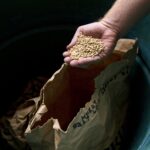
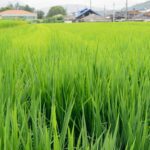
In the world of agricultural innovation, few breakthroughs have played as pivotal a role as the advent of rice milling machines. These remarkable devices not only serve as the bridge between raw agricultural produce and consumer-ready food, but they also unlock the nutritional potential of one of the world’s most staple grains. As rice feeds billions, understanding the science behind the milling process becomes essential for optimizing its health benefits and preserving its inherent qualities. This article delves into the intricate mechanics of rice milling machines, exploring how they function, the technology that drives them, and the nutritional implications of their design and operations. Join us on this journey as we unpack the layers of science behind these machines, illuminating their crucial role in ensuring that rice remains a nutritious foundation for diets around the globe.
Understanding the Milling Process and Its Nutritional Impact
The milling process is a critical step in transforming paddy rice into the white rice commonly consumed worldwide. It involves multiple stages, including dehusking, hulling, and milling, each designed to eliminate the outer layers of the rice grain while preserving as much of its nutritional value as possible. During dehusking, the hard outer husk is removed, followed by hulling, which separates the brown rice from the bran layer. the milling process polishes the grain, leading to the production of white rice. this transformation, though, can significantly impact the nutritional content of the rice, particularly in terms of vitamins and minerals found in the bran and germ. Consequently, understanding the milling process allows consumers to make informed food choices regarding their nutrition.
When exploring the nutritional implications of different milling techniques, it’s significant to consider a few key factors that contribute to the overall health benefits of the rice we consume. These factors include the degree of milling, which frequently enough corresponds to the loss of nutrients, and the addition of fortifications, like vitamins and minerals, to enhance the value of milled rice. Below is a simple overview of how varying degrees of milling can influence nutrient retention:
| Milling Type | Nutritional Retention | Comments |
|---|---|---|
| Brown Rice | High | rich in fiber, vitamins, and minerals |
| White Rice | Moderate | Lower in nutrients due to bran removal |
| Fortified Rice | Variable | Added nutrients can enhance health benefits |
This table highlights the importance of choosing rice with an understanding of how milling affects its nutritional profile. By opting for less processed forms, such as brown rice, or selecting fortified varieties, consumers can improve their dietary intake and support overall health.

Exploring Different Types of Rice Milling Machines and Their Efficiency
One of the most engaging aspects of rice milling technology is the variety of machines available, each designed to cater to different needs and scales of production. Customary millers focus on simplicity, often using stone or wooden mills that have been passed down through generations. These machines, while effective, tend to grind less efficiently and may produce higher levels of broken rice. In contrast, modern milling machines utilize advanced technologies like pneumatic systems and automated controls, which increase productivity significantly. They not only improve processing speed but also enhance the quality of the final product by minimizing grain damage.
Efficiency in rice milling machines can also be categorized based on their operational characteristics. Such as, machines can be classified based on their power source, such as diesel, electric, or hybrid models. Here’s a brief overview:
| Type of Machine | Power Source | Efficiency |
|---|---|---|
| Traditional Mill | Manual | Low |
| Modern Electric Mill | Electric | High |
| Hybrid Mill | Diesel/Electric | Very High |
As these machines evolve, they incorporate features aimed at maximizing yield and preserving the nutritional quality of rice.By utilizing techniques such as conventional milling, which uses a combination of mechanical and abrasive processes, and wet milling, which employs water to enhance separations, manufacturers are pushing the boundaries of efficiency. Choosing the right milling machine can dramatically influence not only the operational throughput but also the nutritional integrity of rice, making understanding these technologies essential for mill owners and agricultural professionals alike.
Maximizing Nutritional Retention Through Advanced Milling Techniques
Advancements in milling techniques have unveiled new possibilities for enhancing the nutritional profile of rice while minimizing the loss of essential vitamins and minerals. Traditional milling often leads to a significant decline in nutritional retention, especially during the removal of the bran and germ layers. However, innovative milling technologies such as water-assisted milling and precision polishing have been introduced to address these issues. These modern methods aim to preserve the inherent nutrients within rice, ensuring that consumers receive a product with higher nutritional value. Furthermore, research indicates that employing a combination of low-temperature milling and controlled air exposure can maintain the integrity of sensitive nutrients, resulting in better overall health benefits for consumers.
The role of equipment design in maximizing nutritional retention cannot be overstated. Advanced rice milling machines feature optimized settings for grinding pressure and speed, which contribute to less mechanical damage and heat generation during processing. Key factors to consider in these machines include:
- Temperature Control: Maintaining lower temperatures during milling helps preserve sensitive vitamins.
- Moisture Regulation: Consistent humidity levels in raw materials ensure minimal nutrient degradation.
- Particle Size Consistency: Uniformity promotes even cooking, enhancing nutrient absorption during consumption.
By utilizing these advanced milling techniques and equipment designs, rice producers can provide consumers with a product that not only tastes great but also supports a healthier lifestyle. The science behind these innovations highlights the importance of silica and anthocyanins in the outer layers of rice grains, both of which are vital for optimal health. By implementing practices focused on enhancing the nutritional content, the rice industry can lead the way in delivering fortified grains that contribute to global nutrition.
Future Trends in Rice milling technology and Their Role in Food Security
As the global demand for rice continues to rise, innovations in milling technology are set to shape the future of this staple food. Advanced milling equipment is being designed with enhanced precision and energy efficiency, addressing both productivity and sustainability. Smart sensors and AI-driven analytics are allowing for real-time monitoring of milling processes, ensuring optimal conversion rates and minimal grain waste. This not only maximizes output but also significantly enhances the nutritional profile of the rice, aligning with modern health standards. Key advancements include:
- Integration of IoT technology: Facilitating remote monitoring and predictive maintenance.
- Energy-efficient milling solutions: Reducing carbon footprints and operational costs.
- Precision milling techniques: Preserving vital nutrients and improving grain quality.
In addition to improving efficiency, these technological shifts will play a crucial role in food security. By increasing productivity and minimizing post-harvest losses, sectors can assure a steady supply of rice to populations in need. As challenges like climate change and population growth put pressure on food resources, the implementation of cutting-edge milling technologies is pivotal. As a notable example, the table below reflects the expected impact of these advancements on rice yield and quality:
| Year | Expected Yield Increase (%) | Quality Improvement (Grade A Rice %) |
|---|---|---|
| 2025 | 15% | 70% |
| 2030 | 25% | 85% |
| 2035 | 35% | 90% |
Final Thoughts
the journey through the intricate world of rice milling machines has revealed not just the mechanics behind them but also the profound impact they hold on nutrition and food security.as we peel back the layers of this process, we come to appreciate how technology transforms raw grains into essential staples, enhancing both flavor and health benefits in our diets.Understanding the science behind rice milling empowers us to make informed choices, whether as consumers striving for balanced meals or as stakeholders in the agricultural sector aiming for sustainable practices. As we continue to innovate and refine our milling processes, the potential to unlock even greater nutritional value remains tantalizingly within reach.
So, the next time you savor a bowl of rice, remember the invisible journey that brought it to your table—a perfect blend of tradition, science, and innovation working in harmony to nourish us all. The future of food lies in our hands, and with it, the promise of better nutrition starts from the simplest of grains.