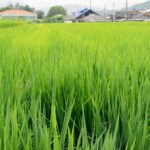
In a world where cuisine is a cornerstone of culture and tradition, few staples hold as much significance as rice. Revered by billions, this versatile grain serves not only as a culinary foundation but also as a symbol of sustenance and growth across diverse societies. as we trace the journey of rice from field to table, we uncover the fascinating innovations that have transformed its processing—most notably, the advancements in commercial rice milling. This article delves into the intricate world of grain unlocking, exploring the technologies and techniques that have reshaped the rice industry. From the whisper of modern machinery to the meticulous art of quality control, we will illuminate how these innovations enhance efficiency, ensure sustainability, and ultimately celebrate this cherished grain that unites us all. Join us as we unravel the secrets of commercial rice milling,shedding light on the remarkable progress that has made quality rice more accessible than ever before.
Revolutionizing Harvests Through Advanced Milling Techniques
In the quest for optimal grain quality, modern milling techniques offer a groundbreaking conversion in the rice production landscape. The integration of high-precision machinery allows for enhanced grain separation, minimal breakage, and improved yield. With methods like stoneless milling and automated polishing, rice undergoes a process that substantially boosts both its nutritional value and marketability. As a result, producers can achieve more consistent and desirable product outcomes, aligning with global consumer expectations for quality.
Beyond machinery, investements in data analytics and AI-powered monitoring systems are shaping a new era of rice milling efficiency. These advanced technologies enable mill operators to adjust processes in real-time, ensuring that every grain is treated with the utmost care. Furthermore, utilizing sustainable practices in water and energy management during milling creates eco-friendly operations that minimize waste. As countries adapt to these innovations, the economic benefits become evident, fostering a competitive edge in the international grain trade.
| Feature | Description |
|---|---|
| Stoneless Milling | Reduces kernel breakage significantly while preserving grain integrity. |
| Automated Polishing | Enhances surface quality and taste profile of the rice. |
| Real-Time Monitoring | Utilizes sensor technology to optimize milling process dynamically. |
| Sustainable Practices | Minimizes resource usage, aligning with eco-friendly milling operations. |

Sustainable Practices in Rice Milling: Balancing Efficiency and environmental Impact
as the demand for rice continues to grow, the milling industry faces increasing pressure to enhance productivity while minimizing its ecological footprint. Many rice mills are now incorporating energy-efficient machinery, which not only boosts output but also reduces greenhouse gas emissions. Utilizing renewable energy sources, such as solar panels and biogas generators, allows rice mills to harness natural resources effectively. Moreover, implementing water recycling systems helps to significantly reduce the volume of water needed in the milling process, promoting better management of this precious resource. The integration of such innovative technologies illustrates a commitment to sustainability while maintaining efficient operations.
Another key aspect of responsible rice milling involves optimizing the use of by-products. modern mills are discovering ways to repurpose husk and bran, which can be transformed into valuable products like animal feed, biofuels, or even natural fertilizers. By adopting such circular practices, rice milling not only enhances resource efficiency but also contributes positively to local economies. To further illustrate these innovations, consider the following table, which highlights the potential environmental benefits of these sustainable practices:
| Practice | Environmental Benefit |
|---|---|
| Solar Energy Usage | reduces fossil fuel dependency |
| Water Recycling | Significantly lowers water waste |
| By-product Utilization | Minimizes waste and creates new value streams |
The role of Technology in Enhancing Grain Quality and Yield
The integration of advanced technology in agriculture has transformed how grains are cultivated, processed, and marketed, ultimately enhancing thier quality and yield. Innovations such as precision farming tools, remote sensing, and data analytics enable farmers to monitor crop health, optimize resource usage, and make informed decisions that lead to better harvests. These tools can identify nutrient deficiencies and pest infestations early, allowing for targeted interventions that minimize waste and maximize output. Moreover, the adoption of drone technology for aerial mapping assists in assessing field conditions, ensuring that every inch of land is utilized effectively while reducing the environmental footprint associated with conventional farming practices.
On the milling side, cutting-edge machinery now plays a pivotal role in improving grain quality post-harvest.Automated milling systems not only streamline the process but also enhance consistency in grain sorting and classification, which are essential for maintaining high standards in the commercial market. The use of smart sensors and AI algorithms in milling operations helps in predicting optimal milling parameters, thus significantly affecting the yield and quality of the final product. For instance, below is a simplified overview of mill efficiency before and after technological advancements:
| Parameters | Before Technology | After technology |
|---|---|---|
| Processing Time | 8 hours | 4 hours |
| Yield Rate (%) | 60% | 80% |
| Grain Quality Index | 75/100 | 90/100 |
This table illustrates not only the remarkable improvements achieved but also underscores the importance of continuous innovation in the grain supply chain. As technology advances, it will enable the grain and milling industry to remain resilient and responsive to changing global demands.
Future Trends in Rice Milling: Innovations Shaping the Industry
As the demand for high-quality rice continues to rise globally, the rice milling industry is undergoing a transformative phase, powered by cutting-edge technology and a commitment to sustainability.One of the most notable innovations is the integration of smart milling systems that utilize AI and machine learning to monitor and optimize milling processes in real-time. These systems enhance efficiency by ensuring minimal grain loss and improving the overall quality of the rice produced. Additionally,the advent of precision milling technology allows for greater consistency in grain size and texture,meeting the diverse preferences of consumers worldwide.
Moreover, the shift towards environmentally friendly practices is reshaping the rice milling landscape.New methods, such as biomass energy production, are being employed to reduce carbon footprints, turning waste byproducts from milling into renewable energy sources. The use of advanced cleaning technologies that utilize less water and fewer chemicals not only conserves resources but also aligns with global sustainability goals. as these innovations take root, they promise to revolutionize the industry, catering to both domestic markets and international demands while reflecting a more responsible approach to natural resource management.
The Conclusion
As we conclude our exploration of the intricate world of commercial rice milling, it becomes clear that the art of unlocking grains extends far beyond traditional practices. The innovations that shape this sector not only enhance efficiency and quality but also reflect a broader commitment to sustainability and food security. As we embrace cutting-edge technologies and sustainable methods, the potential for rice milling to adapt and thrive in an ever-evolving agricultural landscape becomes evident.
from improving milling techniques to exploring new ways to minimize waste and optimize resources, the future of rice production holds great promise. Each grain,once a mere commodity,now stands as a testament to human ingenuity and our relentless pursuit of progress. As we continue to unlock the potential hidden within these grains, we pave the way for a more resilient and resource-conscious world, ensuring that the staple remains a cornerstone of diets worldwide for generations to come.
Thank you for joining us on this journey into the heart of rice milling innovation. As the grains unlock their secrets, so too does our understanding of the vital role they play in global sustenance.