
In the ever-evolving landscape of agriculture and food production, the processing of staple crops remains a cornerstone of global sustenance. Among these crops, rice holds a unique position, serving as a lifeline for billions around the world. As demand for this essential grain continues to rise, so does the need for innovative solutions that enhance productivity and efficiency. Enter the rice milling machine—an intricate amalgamation of technology and tradition that transforms harvested rice into the polished grains we know and love. In “Unlocking Efficiency: The Versatile World of Rice Milling Machines,” we will explore the fascinating mechanics behind these machines, their impact on the rice industry, and the diverse applications that make them indispensable to modern agriculture. Join us as we delve into the transformative power of rice milling technology and uncover how it is shaping the future of food processing.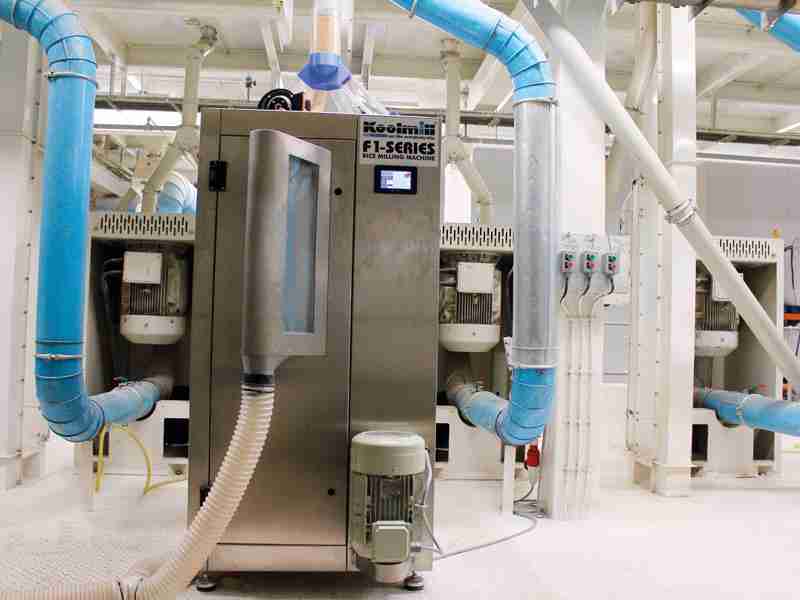
Exploring the Mechanisms: How Rice Milling Machines Work
Rice milling machines are a marvel of engineering, designed to efficiently convert paddy into polished rice ready for consumption. At the core of their operation lies a multi-step process that utilizes various mechanisms to separate the husk, bran, and the grain itself. Initially, the paddy separator plays a critical role, using air flow and vibration to sort out unwanted materials. Once the paddy is cleaned, it moves to the hulling unit, where rubber rollers gently crush the husk away from the rice. This stage is crucial, as it ensures minimal damage to the grains while removing the outer layer effectively.
Following the hulling phase, the milled rice undergoes further processing in the whitening unit. Here, high-speed abrasive stones or friction plates polish the rice, removing the bran and producing a pristine product. An intricate grading system then categorizes the rice based on size and quality, ensuring farmers and consumers receive the best produce. These machines can be tailored to meet specific processing requirements, making them versatile for various rice types. Below is a simplified overview of the rice milling process:
| Process Stage | Primary Function |
|---|---|
| Paddy Separator | Removes impurities and sorts paddy |
| Hulling Unit | Crushes husk away from rice grains |
| Whitening Unit | Polishes rice, removing any remaining bran |
| Grading System | Categorizes rice by size and quality |

Maximizing Productivity: Choosing the Right Rice Milling Equipment
Choosing the appropriate rice milling equipment is critical for optimizing your production process. Several factors must be considered to ensure that your investment aligns with your business goals. First and foremost, capacity is essential—look for machines that can handle your rice processing demands without compromising quality. Additionally, consider the durability and maintenance needs of the equipment, as this will have a significant impact on your operational efficiency. Your choice should also reflect energy consumption; equipment that requires less power not only reduces your operational costs but also supports eco-friendly practices.
Another key element includes understanding the various types of rice milling machines available in the market. Here are some useful distinctions to keep in mind:
- Modern mills: Often equipped with advanced technology for better efficiency and lower waste.
- Traditional mills: Tend to be less expensive, but may not provide the level of output or quality of modern counterparts.
- Modular systems: Allow for customization based on specific processing needs, making them versatile options for diverse operations.
When assessing different machines, it may also be insightful to evaluate the following factors through a comparison table:
| Feature | Modern Mills | Traditional Mills | Modular Systems |
|---|---|---|---|
| Output Efficiency | High | Moderate | Variable |
| Energy Consumption | Low | Moderate | Varies |
| Initial Cost | High | Low | Moderate |
Understanding these aspects will empower you to make an informed decision that enhances productivity while catering to your rice milling needs.
Maintaining Quality: Ensuring Optimal Performance in Rice Production
Ensuring optimal performance in rice production hinges on the delicate balance of quality control and modern technology. One of the paramount factors is the choice of rice milling machines, which play a critical role in transforming rough rice into polished grains ready for market. These machines are designed for efficiency and precision, utilizing a range of processes that can include hulling, milling, and polishing. Each step must be meticulously calibrated to preserve the quality of the rice while maximizing output.
To maintain high standards, it is essential for producers to monitor several aspects throughout the milling process. Key considerations include:
- Machine Calibration: Ensuring the milling machines are properly calibrated to adjust for rice variety and desired grain shape.
- Regular Maintenance: Scheduling consistent maintenance checks to minimize downtime and prolong machine lifespan.
- Moisture Content: Monitoring moisture levels in rice to prevent spoilage and ensure effective milling.
Utilizing advanced technology, such as automated control systems, can also greatly enhance productivity while maintaining quality outputs. The integration of data analytics allows for real-time monitoring and adjustments, ensuring that every batch of rice milling aligns with market demands. Below is a simple comparison table to illustrate some popular rice milling machines along with their features:
| Machine Model | Throughput (Kg/h) | Power (kW) | Special Features |
|---|---|---|---|
| Model A | 1000 | 15 | Auto-Feeder, Dust Collector |
| Model B | 1500 | 20 | Energy Efficient, Low Noise |
| Model C | 800 | 10 | Compact Design, Easy Operation |
Future Innovations: Emerging Trends in Rice Milling Technology
As the world continues to evolve, so too does the technology behind rice milling, with innovations that not only improve productivity but also enhance sustainability. One of the most promising trends is automation. Modern milling machines are now equipped with advanced sensors that monitor grain quality, moisture levels, and workflow efficiency. This data-driven approach reduces manual labor, minimizes waste, and ensures a uniform milling process. Additionally, the introduction of smart technologies has revolutionized the industry, enabling mill operators to remotely manage their equipment, schedule maintenance, and optimize energy consumption through interconnected systems.
Another exciting development is the integration of biotechnology in rice milling processes. By utilizing enzymes and natural additives, these innovations aim to increase the nutritional value of rice while reducing the need for chemical treatments. This aligns with the growing demand for healthier food options and eco-friendly practices. Furthermore, the rise of sustainable milling practices has gained traction, with companies focusing on zero-waste techniques and energy-efficient machinery. The result is a more resilient supply chain that not only meets consumer demands but also fosters environmentally responsible production.
| Innovation | Description | Benefits |
|---|---|---|
| Automation | Advanced sensors for monitoring and control. | Reduced labor and waste. |
| Smart Technologies | Remote management of operations. | Optimized efficiency and energy consumption. |
| Biotechnology | Use of enzymes to enhance grain quality. | Increased nutritional value and reduced chemicals. |
| Sustainable Practices | Zero-waste and energy-efficient machinery. | Environmentally responsible production. |
Key Takeaways
the journey through the dynamic landscape of rice milling machines reveals a blend of innovation, efficiency, and versatility that is reshaping the agricultural industry. As we’ve explored, these machines not only simplify the milling process but also enhance the quality and yield of one of the world’s most vital staples. From small-scale operations to large commercial enterprises, the right milling technology can unlock unprecedented potential, driving both productivity and sustainability.
As the demand for high-quality rice continues to rise, the evolution of rice milling machines promises to meet these needs with precision and adaptability. Whether you are a farmer, an entrepreneur, or simply a rice enthusiast, understanding the capabilities and advancements in this field empowers you to appreciate the meticulous art of rice production. By embracing these innovations, stakeholders can pave the way for a more efficient and fruitful future in rice milling. The journey does not end here—rather, it is only the beginning of exploring new horizons in agricultural technology. Thank you for joining us on this insightful quest into the versatile world of rice milling machines.




