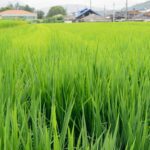
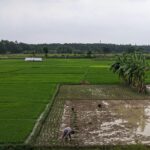
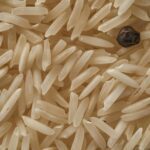
In the heart of agrarian societies, grains have long been the cornerstone of sustenance, culture, adn economic stability. Among these staples, rice stands out as a symbol of nourishment, woven into the fabric of countless traditions across the globe.Yet, beneath its unassuming exterior lies a complex journey—from seed to plate—that hinges on the often-overlooked technology of rice milling machines. These innovative marvels, blending mechanical precision with the art of grain processing, have revolutionized the way rice is harvested, processed, and prepared for consumption. This article delves into the transformative journey of rice milling machines, exploring their evolution, the technology behind them, and their impact on the agricultural landscape.Join us as we uncover how these machines not only refine grains but also reshape economies, sustainability efforts, and culinary experiences worldwide.
Exploring the Evolution of Rice Milling Technology
The advancement of rice milling technology reflects a remarkable progression from rudimentary methods to elegant machinery that has revolutionized grain processing. Initially, rice was milled using conventional manual techniques involving stone tools or pounding with wooden mortars, which, while effective, were labor-intensive and time-consuming. As demand grew, innovators recognized the necessity for efficient solutions, leading to the emergence of mechanical rice mills in the late 19th century. These early machines significantly reduced the workload and time required for milling, bringing about a transformative impact on rice production.
Fast forward to today’s advanced milling systems, which incorporate cutting-edge technologies like automation, artificial intelligence, and energy efficiency.Modern rice milling machines now boast features such as multi-stage milling processes, which enhance the quality of rice, and automated sorting systems that ensure consistency in grain size and color. Notably, advancements in milling technology have not only improved yield but also positively influenced the environmental aspects of rice production. Key innovations include:
- Beater roller technology for superior husk separation.
- Optical sorting machines for precise grain quality control.
- Eco-friendly milling that minimizes waste and reduces energy consumption.
Understanding the Essentials of Modern Rice milling Processes
Rice milling is a meticulous process that transforms raw paddy into the polished grains moast consumers are familiar with. The journey begins with cleaning, where impurities like stones, dust, and other foreign materials are meticulously removed using modern equipment. Following this, the dehusking stage utilizes huskers to separate the husk from the grain.This step is crucial, for the quality of the rice is significantly influenced by the efficiency of this process. The final steps include whitening and polishing, where the rice grains are further processed to enhance their appearance and shelf life. This entire process is a testament to technological advancements aimed at improving quality and minimizing waste.
To amplify efficiency,manny rice milling plants now incorporate automated sorting systems that utilize color sorting technology. This helps in identifying and removing defective grains, ensuring consistent quality. Below is a concise overview of some key technologies commonly employed in modern rice milling:
| Technology | Function |
|---|---|
| Pre-cleaning machines | Eliminate unwanted debris and ensure quality input. |
| Husk removal machines | Separate husk from the paddy efficiently. |
| Grain whitening machines | Polish the rice grains for better market appeal. |
These advancements not only streamline the milling process but also enhance the overall quality and yield of the final product. As the rice industry continues to evolve, the integration of eco-friendly practices and innovative technology remains a priority, fostering a sustainable approach to grain processing.
Highlighting Innovations for Improved Efficiency and Quality
The evolution of rice milling machines has brought forth a new era of efficiency and quality in grain processing. By integrating advanced technologies, manufacturers have been able to enhance the overall performance of these machines significantly. Some key innovations include:
- Automated Milling Processes: Smart sensors and AI algorithms allow for real-time adjustments during the milling process,ensuring consistent grain quality.
- Energy Efficiency: New designs aim to consume less energy while maximizing output, resulting in reduced operational costs.
- Modular Designs: Machines are becoming more customizable, allowing rice millers to adapt to varying scales of production and specific milling needs.
Furthermore, these advancements do not solely focus on efficiency; they also prioritize quality enhancements. Innovations have led to improved yield rates and minimal grain breakage, which are crucial for maintaining the economic value of the rice. Consider the following benefits that these modern machines are bringing to rice milling:
| Benefit | Impact on Quality |
|---|---|
| Precision Milling | Results in higher percentage of whole grains, enhancing market value. |
| reduced Contaminants | Minimized foreign material results in cleaner, healthier product. |
| Consistent Output | Uniformity ensures standard quality, meeting customer expectations. |
Recommendations for Sustainable Practices in Rice Milling
To foster a more sustainable future in rice milling, several innovative practices can be implemented at various stages of the process. One key approach is to prioritize energy efficiency by integrating advanced machinery that minimizes electricity consumption during milling operations. This can include the use of solar energy systems or biomass energy to power mills, reducing reliance on fossil fuels. Other practices include optimizing grain handling techniques to minimize loss and waste,ensuring all parts of the grain are utilized effectively,and employing water management systems that recycle and purify water used in milling processes.
Further enhancing sustainability involves adopting practices that focus on emission reductions and environmental protection. For instance, investing in dust control systems can significantly decrease airborne pollutants, providing a healthier work surroundings and reducing the ecological footprint of the milling operation. Additionally, mills can engage in practices such as:
- Utilizing eco-friendly packaging solutions that minimize plastic use.
- Implementing crop rotation practices that enhance soil health and reduce dependency on chemical fertilizers.
- Collaborating with local farmers to source organic rice and reduce transportation emissions.
| Practice | Benefit |
|---|---|
| Energy-efficient machinery | Reduces operational costs and carbon footprint |
| Biomass energy systems | Utilizes waste products for energy, lowering waste |
| Eco-friendly packaging | Minimizes environmental impact from plastic |
In Retrospect
As we conclude our exploration of rice milling machines and their transformative impact on grain processing, it becomes evident that these innovative marvels are more than just technological advancements; they are gateways to enhanced food security and agricultural efficiency. From traditional methods to modern automation, the evolution of rice milling reflects our ongoing quest for sustainability and productivity in a world that demands more from its agricultural systems.
Each machine not only revolutionizes the way we process rice but also redefines the livelihoods of countless farmers and workers. As the journey of these milling innovations continues, one can only imagine the future possibilities they will unlock in the realms of culinary delight and nutrition around the globe.
In the grand tapestry of agricultural progress, rice milling machines represent a vital thread—one that connects tradition with technology, while weaving a narrative of resilience and hope for the generations to come. As we move forward, let us celebrate this journey and support ongoing innovations that promise to further enhance our approach to grain processing, ultimately nourishing not just bodies but also the communities that depend on them.