
Transforming Grains: The Evolution of Rice Milling Machines
In the heart of countless kitchens around the world, rice serves as a staple, nourishing billions and forming the cornerstone of diverse culinary traditions. Yet, the journey of this humble grain from paddy to plate relies significantly on an unsung hero—the rice milling machine. This intricate machinery, once simple and labor-intensive, has transformed dramatically over the years, merging age-old techniques with cutting-edge technology. As we delve into the evolution of rice milling machines, we uncover not only the innovations that have streamlined production but also the profound impact these advancements have had on agricultural practices, food security, and global economies. Join us as we explore the metamorphosis of rice milling, a process that encapsulates the intersection of tradition and innovation, ultimately reshaping how we experience one of the world’s most essential foods.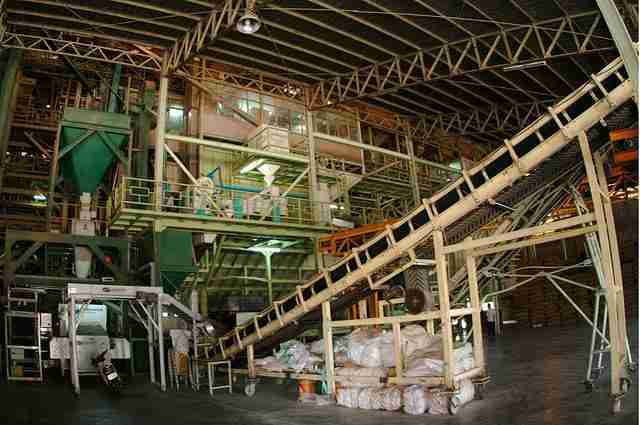
The Historical Journey of Rice Milling Technologies
From humble beginnings in ancient Asia, the process of rice milling has witnessed remarkable advancements that reflect the intersection of tradition and innovation. Early rice milling techniques primarily relied on manual labor, utilizing simple tools such as stone mortars and pestles to remove husks from grains. As agricultural practices evolved, so did the demand for more efficient methods. The introduction of mechanized milling in the 19th century marked a significant turning point, leading to the invention of various machines that dramatically increased production capacity. Among these innovations were the huller, polisher, and separator, each playing a crucial role in enhancing the quality of rice. The mechanization of rice milling helped meet the growing consumer demand, shaping the rice industry into what it is today.
As the 20th century unfolded, technological advancements took center stage in rice milling. The emergence of electric-powered machines transformed the efficiency and consistency of the milling process. Manufacturers began to adopt more sophisticated designs, incorporating features such as automated feeding systems and advanced milling techniques to minimize grain breakage. This period also saw the rise of industrial-scale milling plants, where rice processing was streamlined to optimize production. Today’s milling technologies have reached new heights, embracing innovations like digital monitoring systems and eco-friendly processes that reduce waste and enhance productivity. These strides not only reflect but also emphasize their crucial role in the sustainability and food security of the global population.
| Era | Technology | Key Features |
|---|---|---|
| Ancient | Manual Tools | Stone Mortars & Pestles |
| 19th Century | Mechanized Milling | Huller, Polisher, Separator |
| 20th Century | Electric Machines | Automated Systems, Industrial Plants |
| 21st Century | Digital Solutions | Monitoring Systems, Eco-Friendly Processes |
Innovative Mechanisms: The Heart of Modern Milling
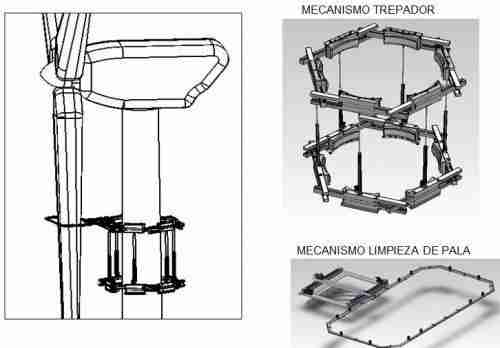
The journey of rice milling machines has been fundamentally reshaped by a series of innovative mechanisms that focus on efficiency, precision, and sustainability. Modern machines now incorporate advanced technology that optimizes grain processing through sophisticated design and functionality. For example, integrated husking systems utilize a combination of friction and pressure to perfectly remove the husk without damaging the grain, thereby enhancing yield and preserving quality. Additionally, multistage milling processes allow for gradual refinement of rice, which significantly reduces the risk of broken grains. The advent of digital monitoring systems has further revolutionized the milling landscape by enabling real-time analysis of the milling process, ensuring consistent results and minimizing waste.
Furthermore, the shift towards eco-friendly milling solutions is noteworthy, with many manufacturers developing machines that reduce energy consumption and waste production. The introduction of water-efficient polishing techniques also reflects this trend, where machines are designed to minimize water usage while maximizing the polishing quality. Technological advancements have facilitated the emergence of automated cleaning systems that maintain hygiene and operational efficiency. Below is a comparison table showcasing key features of traditional versus modern milling machines:
| Features | Traditional Milling Machines | Modern Milling Machines |
|---|---|---|
| Energy Efficiency | Low | High |
| Automation Level | Manual | Fully Automated |
| Grain Yield | 85% | 95% |
| Environmental Impact | High | Low |

Sustainability in Rice Processing: Challenges and Solutions
The rice processing industry faces a myriad of challenges as it strives for sustainability. High energy consumption, waste management, and water usage are primary concerns that recyclers and processors must tackle. Integrating technology into milling operations can lead to improved efficiency and reduced resource consumption. For instance, companies are now leveraging AI-powered machines that can optimize the milling process in real-time, minimizing both waste and energy use. Furthermore, investing in renewable energy sources, such as solar or biogas systems, can significantly decrease the carbon footprint associated with rice processing.
To address these challenges, the industry is exploring innovative solutions that prioritize environmental conservation. Some effective strategies include:
- Utilizing eco-friendly milling techniques that reduce water usage
- Implementing waste-to-energy processes that convert husk and bran into biofuel
- Adopting precision milling technology to enhance grain recovery and lower waste
The table below illustrates the impact of these solutions on resource savings, highlighting the potential for a more sustainable future in rice processing:
| Solution | Water Savings | Energy Savings |
|---|---|---|
| Eco-Friendly Milling | 30% | 15% |
| Waste-to-Energy | N/A | 25% |
| Precision Milling | 20% | 10% |
Future Trends: Embracing Smart Technology in Rice Mills
As the rice milling industry evolves, the integration of smart technology is becoming increasingly important. These advancements are not merely enhancements—they represent a fundamental shift in operational efficiency and product quality. By leveraging the Internet of Things (IoT), rice mills can now monitor and control processes remotely, ensuring optimal performance at every stage of production. Key features include:
- Real-time data analytics: Instant insights for quicker decision-making.
- Predictive maintenance: Reducing downtime and extending machinery life.
- Automated quality control: Ensuring uniform grain quality and reducing wastage.
The future landscape of rice milling will undoubtedly be shaped by artificial intelligence and machine learning, enabling machines to learn from past processes and optimize milling operations. This shift towards smart technology not only enhances productivity but also promotes sustainability by minimizing resource consumption. Consider the following innovations:
| Innovation | Benefit |
|---|---|
| Automated Grain Sorting | Improved efficiency and reduced manual labor. |
| Smart Inventory Management | Optimized storage and reduced spoilage. |
| Energy Management Systems | Lower operating costs and enhanced sustainability. |
Closing Remarks
As we conclude our exploration into the transformative journey of rice milling machines, it becomes clear that this humble technology has played a pivotal role in shaping not just agriculture, but entire societies. From rudimentary tools of ancient civilizations to the sophisticated machinery of today, rice milling has evolved in tandem with our understanding of nutrition, efficiency, and sustainability. Each innovation reflects a response to the ever-changing needs of farmers and consumers alike, illustrating the delicate balance between tradition and modernity.
As we look to the future, the rice milling industry stands at the crossroads of opportunity and challenge. With advancements in automation, eco-friendly practices, and smart technology on the horizon, the potential for further evolution is immense. The very grains that have sustained civilizations for millennia now find themselves at the heart of a new narrative—one that prioritizes not only productivity but also the welfare of our planet.
In this age of globalization, as we mill toward a new era, it is essential to remember the roots of our agricultural practices. The stories embedded within each grain remind us of our connection to the land and the importance of nurturing it for future generations. As we continue to innovate and refine our approaches, let us ensure that the tools we develop honor the past while embracing the promise of tomorrow. The evolution of rice milling machines is not just a tale of technology; it is an ongoing narrative that weaves together the threads of culture, sustainability, and human ingenuity.




